











Understanding how public transportation in Rio de Janeiro works completely changes the experience of anyone arriving in the city. Over years of supporting domestic and international tourists, the Brasil ATM team has observed a clear pattern: those who plan their transportation before leaving the hotel save time, spend less money, and reduce unnecessary risks.
Rio is vast and diverse. Neighborhoods such as Copacabana, Downtown, Barra da Tijuca, and Santa Teresa function almost like cities within the city. Public transportation serves some areas very well and requires more strategic choices in others. Knowing when to use the subway, when to choose buses, the VLT, or ferries makes all the difference in daily travel.
In this complete guide, you will find a practical, up-to-date, and objective overview of public transportation in Rio de Janeiro: how each mode works, average costs, integration, schedules, advantages, limitations, and best practices for getting around more safely and efficiently.
How public transportation works in Rio de Janeiro
The public transportation system in Rio de Janeiro is multimodal. This means that different modes complement each other, covering distinct areas of the city.
The main modes are:
- Subway
- Urban buses
- VLT (Light Rail Vehicle)
- Ferries
- Urban trains (SuperVia)
Each has its own operating rules, fares, schedules, and comfort levels. Integration between them occurs mainly through the Bilhete Único, which reduces costs when users combine more than one mode on the same trip.
Below, we explain how each mode works in practice.
Rio de Janeiro subway: fast, predictable, and safe

The Rio de Janeiro subway is considered the most efficient public transportation option for traveling in tourist areas and central regions.
Main characteristics of the Rio subway:
- Operates mainly in the South Zone, Downtown, North Zone, and part of the West Zone
- Connects strategic neighborhoods such as Copacabana, Ipanema, Botafogo, Flamengo, Downtown, and Tijuca
- High frequency and minimal interference from traffic
- Stations with clear signage and good lighting
Subway lines:
Currently, the system includes:
- Line 1: South Zone → Downtown → Tijuca
- Line 2: North Zone → Downtown (integration with Line 1)
- Line 4: South Zone → Barra da Tijuca
Operating hours:
- Monday to Saturday: approximately from 5 a.m. to midnight
- Sundays and holidays: reduced hours
When the subway is the best choice:
- Travel between tourist neighborhoods
- Trips during peak hours
- Predictable routes without traffic surprises
In practice, the subway is the backbone of public transportation in Rio de Janeiro for those who prioritize speed and safety.
Buses in Rio de Janeiro: wide coverage, extra attention required
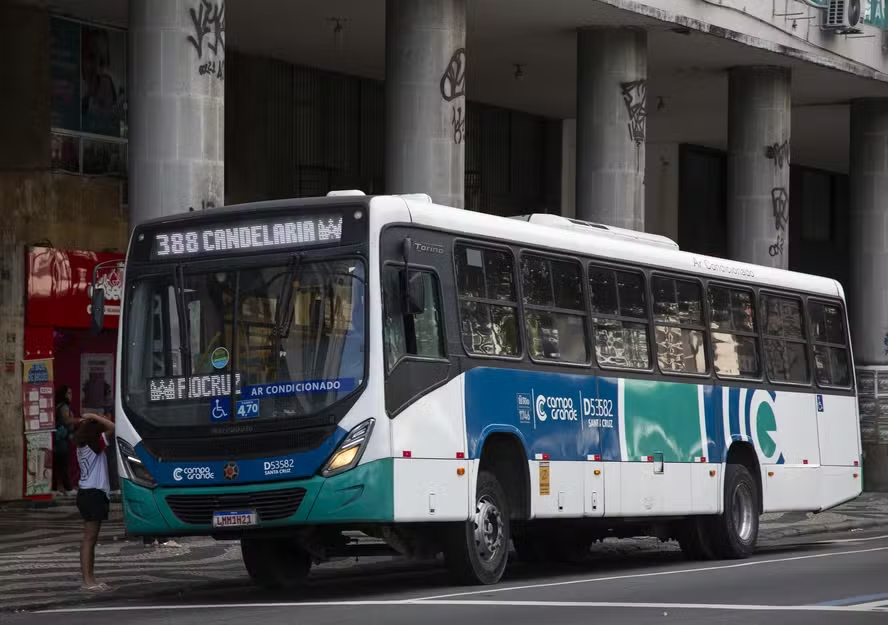
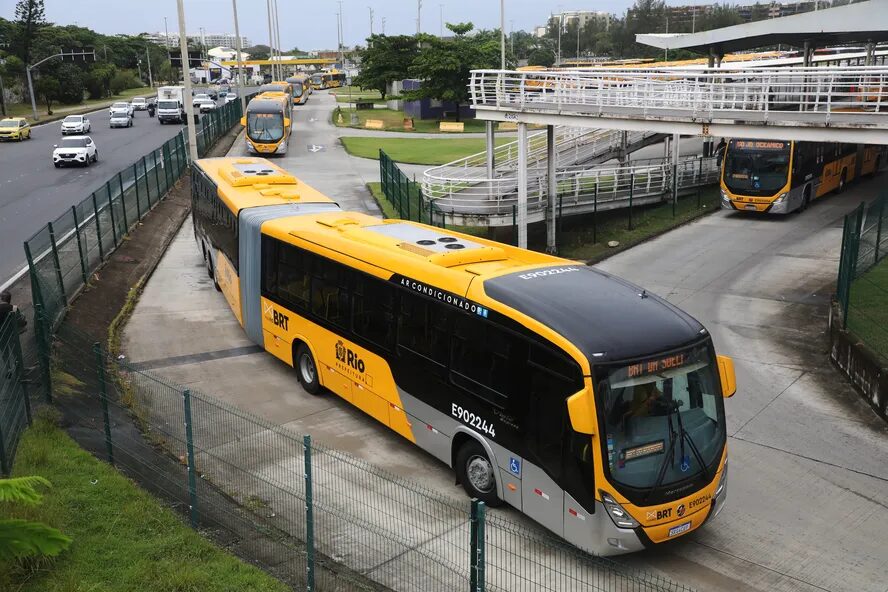
Buses in Rio de Janeiro are the most comprehensive mode in terms of territorial coverage. Almost all neighborhoods have regular lines.
Types of buses:
- Conventional urban buses
- BRT (Bus Rapid Transit) with exclusive lanes
- Executive buses on specific routes
Advantages:
- Reach areas where the subway does not
- Affordable fares
- High frequency on main routes
Limitations:
- Direct impact from traffic
- Long routes can be confusing for first-time users
- Variable comfort levels
Best practices when using buses:
- Use public transportation apps to track routes and schedules
- Avoid peak hours when possible
- Choose well-known lines and shorter routes
- Pay close attention to personal belongings
For many trips, buses complement the subway well, especially in the West Zone and North Zone.
VLT in Rio: ideal for getting around Downtown

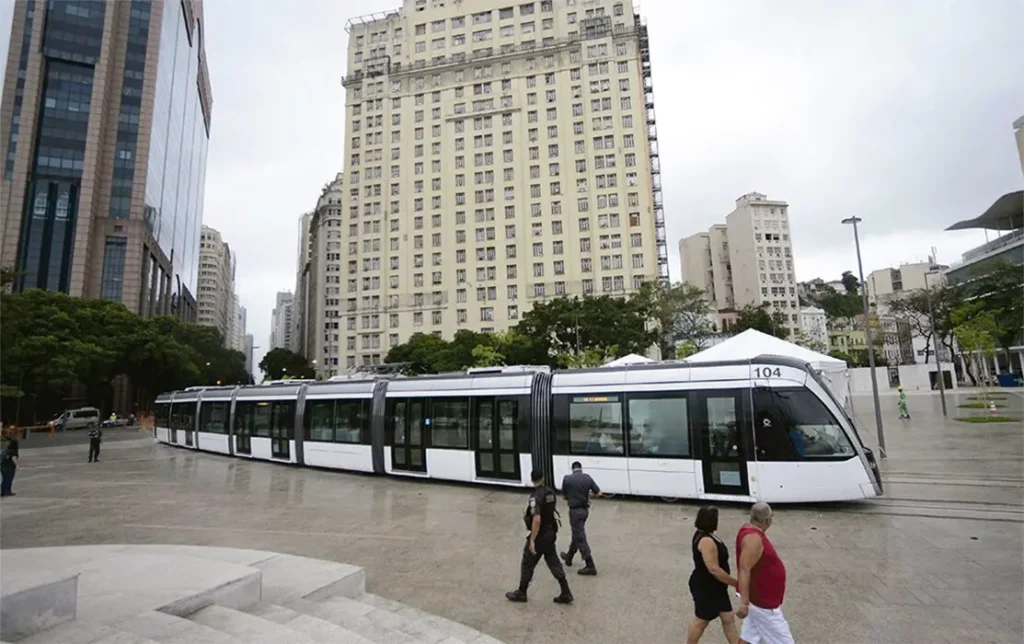
The VLT in Rio de Janeiro was created mainly to serve the city’s downtown area.
Where the VLT operates:
- Downtown
- Port Region
- Santos Dumont Airport
- Novo Rio Bus Terminal
Main advantages:
- Modern and quiet vehicles
- Integration with subway, buses, and ferries
- Ideal for short distances in Downtown
Points of attention:
- No physical turnstiles
- Payment is mandatory before boarding
- Frequent inspections
The VLT is an efficient solution for moving around Downtown, especially for tourists visiting museums, historic areas, and Porto Maravilha.
Ferries in Rio de Janeiro: crossing Guanabara Bay
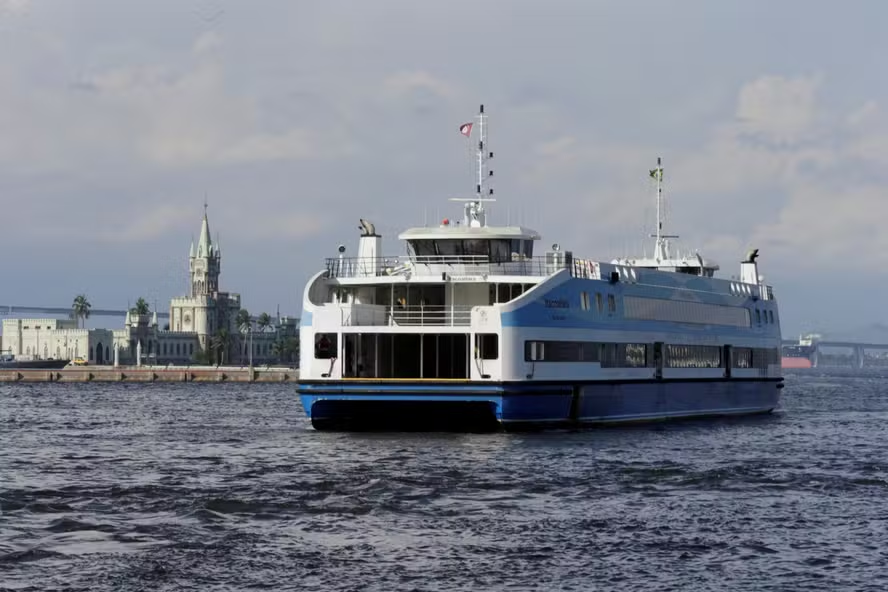
Ferries in Rio de Janeiro connect the city to municipalities on the other side of Guanabara Bay.
Main routes:
- Rio ↔ Niterói
- Rio ↔ Paquetá
- Rio ↔ Governador Island (at specific times)
When to use ferries:
- Residents or visitors staying in Niterói
- Trips to Paquetá
- An alternative to heavy traffic on the Rio–Niterói Bridge
Ferries are punctual, relatively comfortable, and offer some of the most beautiful views of the city.
Urban trains: SuperVia
SuperVia trains mainly serve the North Zone and the Metropolitan Region.
Usage profile:
- Mostly used by residents
- Less relevant for tourist itineraries
- Integration with the subway at specific stations
For visitors, train use is usually occasional and highly dependent on the planned itinerary.
Fares and costs of public transportation in Rio de Janeiro
Below is an average fare comparison. Prices may change, but they help with planning.
| Mode | Average fare |
| Subway | R$ 7 to R$ 8 |
| Urban bus | R$ 4 to R$ 5 |
| BRT | R$ 4 to R$ 5 |
| VLT | R$ 4 to R$ 5 |
| Ferries | R$ 7 to R$ 8 |
Bilhete Único Rio: integration that reduces costs
The Bilhete Único allows integration between different modes while paying less.
How it works:
- Valid for a specific time period
- Limit on the number of integrations per trip
- Can be used between buses, subway, BRT, VLT, and trains
When it’s worth it:
- Long-distance trips
- Subway + bus combinations
- Frequent use on the same day
For those planning to use public transportation in Rio de Janeiro for more than one day, the Bilhete Único often provides real savings.
Safety on public transportation in Rio
Safety largely depends on conscious choices.
Essential best practices:
- Avoid using your phone openly on crowded buses
- Wear backpacks on the front of your body
- Prefer the subway and VLT at night
- Avoid deserted stops outside business hours
- Plan routes before leaving
Practical experience shows that most issues occur due to lack of planning, not because of the system itself.
Public transportation vs ride-hailing apps vs taxis: quick comparison
| Criteria | Public transportation | Ride-hailing apps | Taxi |
| Cost | Lowest | Medium | Highest |
| Predictability | High on subway | Medium | Medium |
| Comfort | Variable | High | High |
| Coverage | Wide | Very wide | Wide |
Public transportation remains the most economical option and, in many cases, the fastest.
Step by step: using public transportation in Rio for the first time
- Define your origin and destination neighborhoods
- Check whether the subway serves your route
- Evaluate integration with buses or VLT
- Purchase the Bilhete Único if using more than one mode
- Leave with your route planned on your phone
- Avoid improvisation during peak hours
Conclusion — planning transportation changes the Rio experience
Public transportation in Rio de Janeiro works best when users understand its rules, limits, and strengths. The subway, VLT, and ferries offer efficient and predictable travel. Buses expand coverage but require more attention.
Planning your transportation before leaving reduces costs, avoids setbacks, and increases the sense of safety. Rio rewards those who stay organized.
Want to get around Rio more smoothly, avoid common mistakes, and save money from day one?
Access the complete Brasil ATM guides and plan your mobility in Rio de Janeiro with practical, up-to-date, and reliable information.
Where to withdraw cash from ATM24h in Brazil
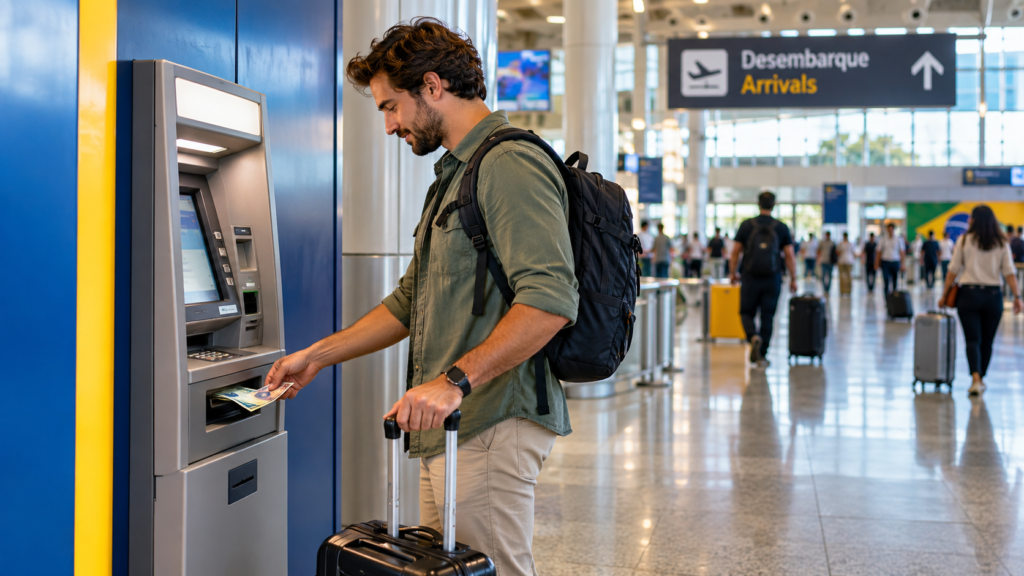
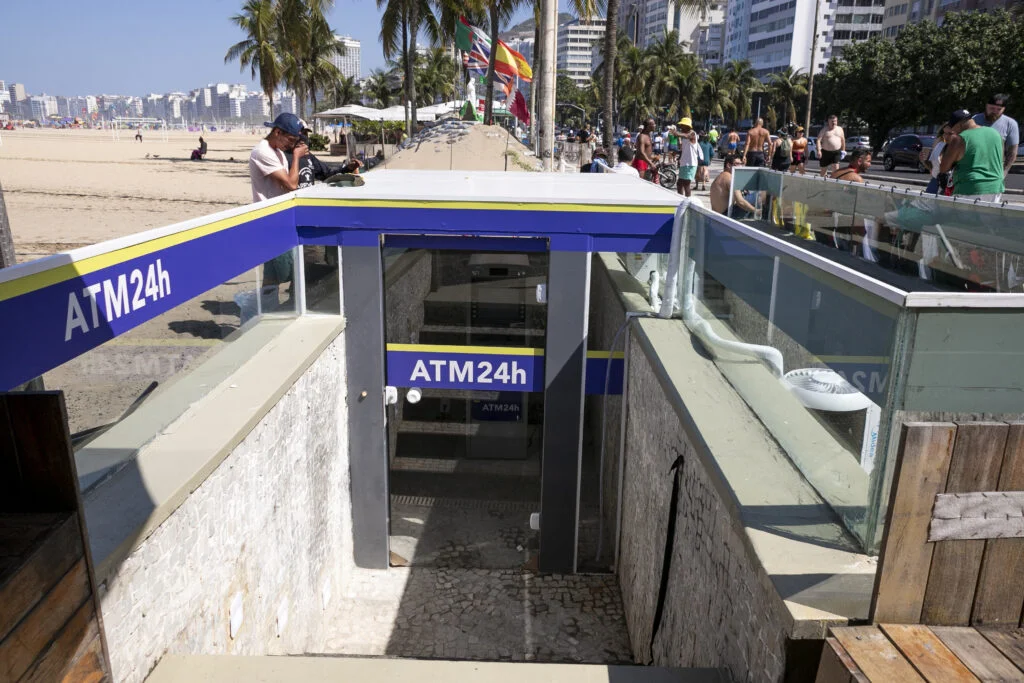
To make the most of your Rio de Janeiro itinerary, carrying cash is a good idea. It ensures a smooth and hassle-free experience. In some places, cash is essential for food, transportation, attraction tickets, and more.
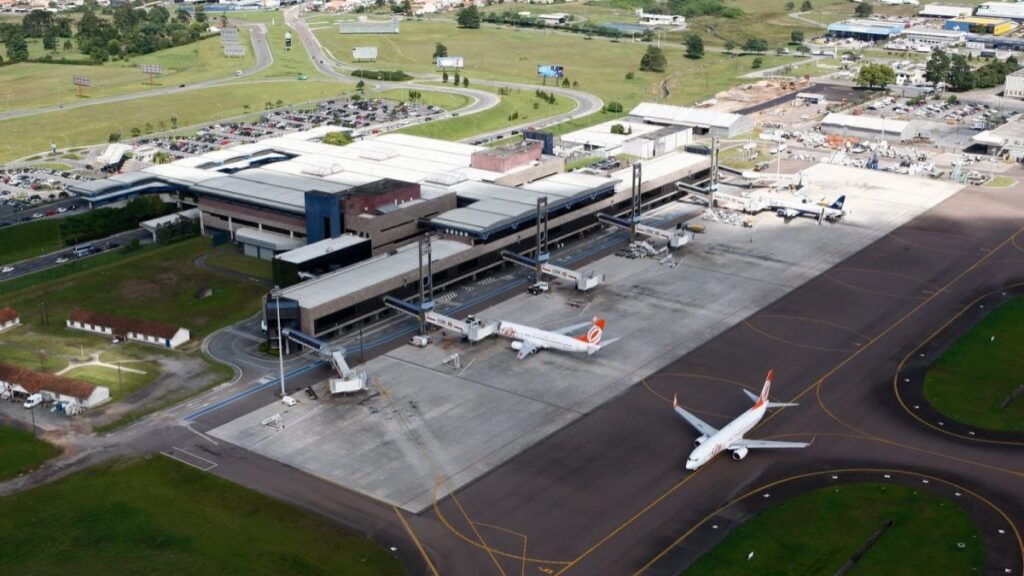
Check out the table below for 24-hour ATMs in the locations mentioned in this article:
| Where | Location |
| Aeroporto Internacional do Galeão | View locations here |
| Aeroporto Santos Dumont | View locations here |
| MetrôRio | View locations here |
| Sheraton Rio & Resort | View locations here |
| Ipanema Beach Hostel | View locations here |
Discover Brasil ATM (At The Moment)
At Brasil ATM, we see Brazil as a place full of unique beauty and fascinating culture. Our portal, supported by the global ATM24h brand, reflects our love for Brazil. We aim to inspire tourists to explore its wonders safely and informed.
We provide accurate, updated, and inspiring information in three languages. With us, you’ll have everything you need to plan your trip with confidence. We offer travel guides, detailed itineraries, and helpful planning tips.
We want to create memories that last. We’ll show you the natural and cultural beauty of Brazil. Explore famous destinations like Rio de Janeiro and São Paulo, and discover hidden gems like Lençóis Maranhenses and Fernando de Noronha. We’re here to help you make the most of your trip.

You may also like about Rio de Janeiro:
- How to Get Around Rio de Janeiro – Practical tips to get around safely and efficiently
- What to Do in Rio de Janeiro – Must-See Attractions to Make the Most of the City
- How to withdraw money in Rio de Janeiro – Best practices to avoid fees and risks
- 3-Day Itinerary in Rio de Janeiro – + tips for visiting with kids
Frequently asked questions
Yes. Public transportation in Rio de Janeiro serves tourists well, especially the subway, VLT, and ferries, which are predictable, well-signposted, and connect strategic areas. With planning, it’s possible to travel safely and economically. Plan your trips with reliable information from Brasil ATM.
The subway is usually the best option for traveling between tourist neighborhoods and central areas, as it is fast and less affected by traffic. Buses and the VLT complement routes where the subway does not reach. See updated comparisons and practical tips on Brasil ATM.
Fares vary by mode: subway and ferries average between R$ 7 and R$ 8, while buses, BRT, and VLT range from R$ 4 to R$ 5. Integration with the Bilhete Único can reduce the total cost. Check updated prices and ways to save on Brasil ATM.
Safety depends mainly on planning and timing. The subway and VLT are considered safer, especially at night, while buses require more attention to belongings and routes. Visit Brasil ATM for essential tips to get around more confidently.