








Tourism in the state of Goiás reveals a landscape marked by preserved nature, historical culture, and authentic experiences in the heart of Brazil. Between plateaus, colonial cities, and crystal-clear rivers, the state offers options for different traveler profiles — from those seeking tranquility to those looking for adventure or cultural immersion.
Destinations like Alto Paraíso de Goiás, Cavalcante, and Pirenópolis concentrate some of the most impressive scenery, with waterfalls, trails, and unique landscapes of the Chapada dos Veadeiros. Meanwhile, the City of Goiás, a historical heritage site, preserves colonial mansions, cultural traditions, and an atmosphere that connects visitors to the state’s past.
Goiás culture also stands out in traditional festivals, such as the Procissão do Fogaréu (Procession of the Torches), in addition to a rich and comforting gastronomy, with typical dishes like the empadão goiano (savory pie), rice with pequi, and pamonha. The combination of nature, history, and regional flavors makes Goiás a complete destination for those who want to explore the interior of Brazil in depth.
At Brasil ATM, we have gathered everything you need to explore Goiás with confidence: updated guides, practical tips, and reliable information so that your trip is safe, organized, and well-enjoyed from start to finish.
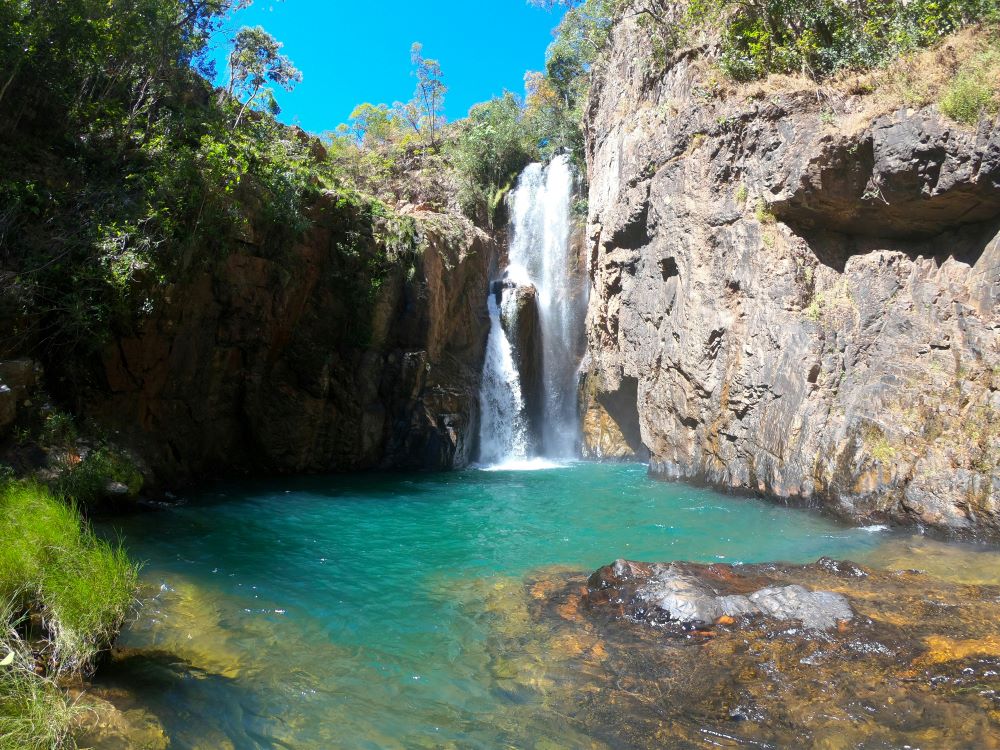
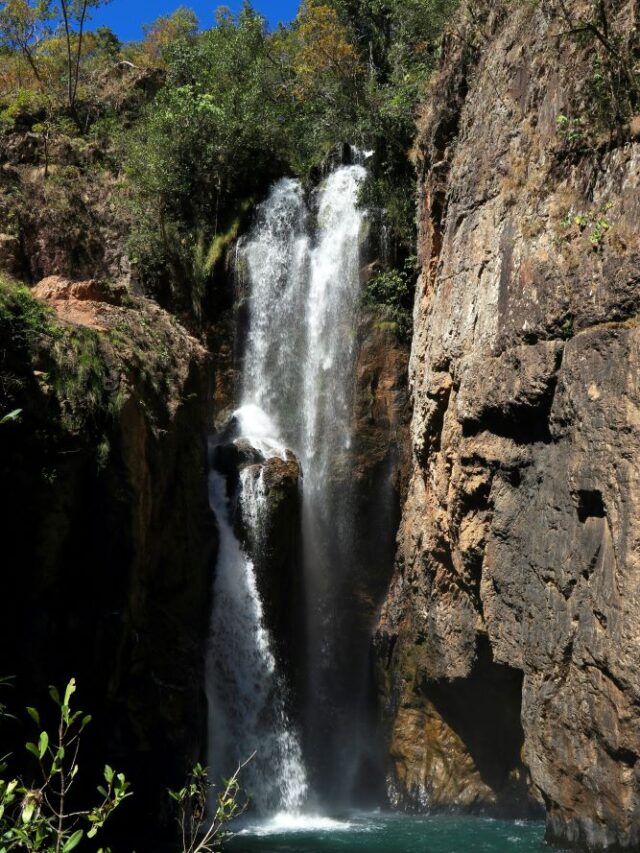
Cultural traditions that keep the soul of Goiás alive
Goiás has a deeply rooted cultural identity, shaped by a blend of Indigenous, African, and European influences. This diversity is reflected in religious festivals, popular traditions, local cuisine, and the way of life of its people, who preserve these customs across generations.
Among the main cultural highlights are the Procissão do Fogaréu, held in Cidade de Goiás, and the Cavalhadas in Pirenópolis, along with the Festas do Divino Espírito Santo. Sertanejo music is also part of this heritage, reflecting everyday life and the roots of the countryside.
The cuisine completes this cultural experience, with dishes such as empadão goiano, rice with pequi, and pamonha. In tourism in Goiás, each tradition, celebration, and flavor represents a living piece of the history of an authentic and welcoming state.
News about Goiás
Check more posts >Useful information about Goiás
Area: approximately 340,111 km²
Population: about 7,056,495 inhabitants (2022 census)
Time zone: GMT –3 (Brasília Time)
Climate: Tropical – average temperatures between 20 °C and 32 °C
Delegate code (DDD): 62 (central region, including Goiânia) and 64 (state interior)
Voltage: predominantly 220V
Outlets: Standard type N (three round pins)
Main destinations in Goiás
Goiás brings together destinations that combine preserved nature, historic cities, and authentic experiences in the interior of Brazil. Tourism in the state offers everything from impressive waterfalls to cultural itineraries full of tradition. Below, we highlight some of the main places to include in your planning.
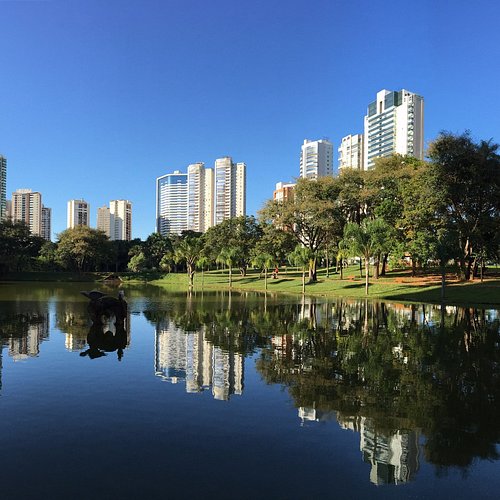
Goiânia
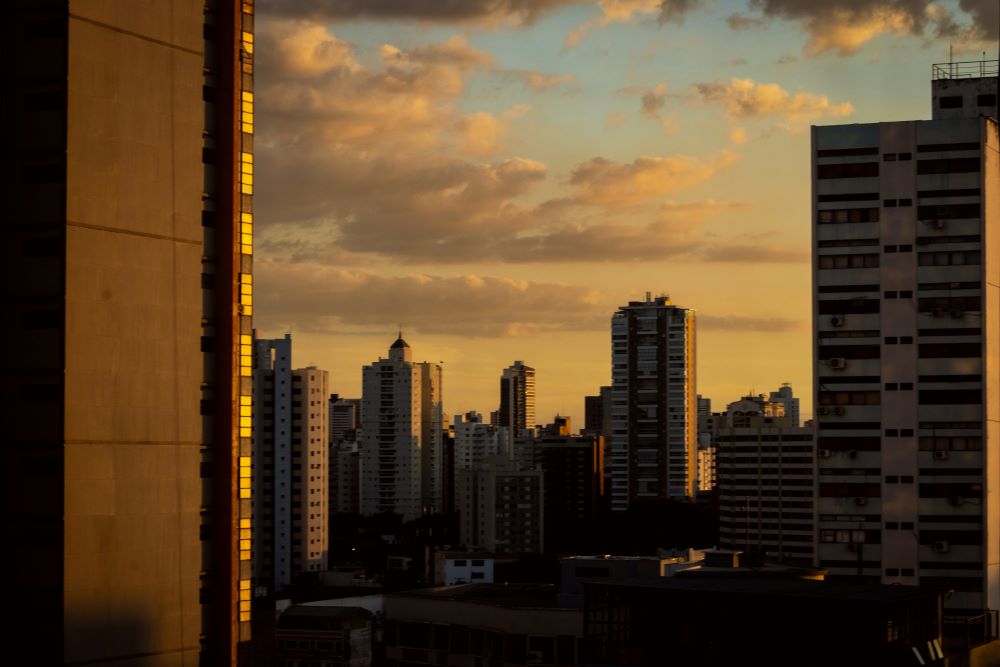
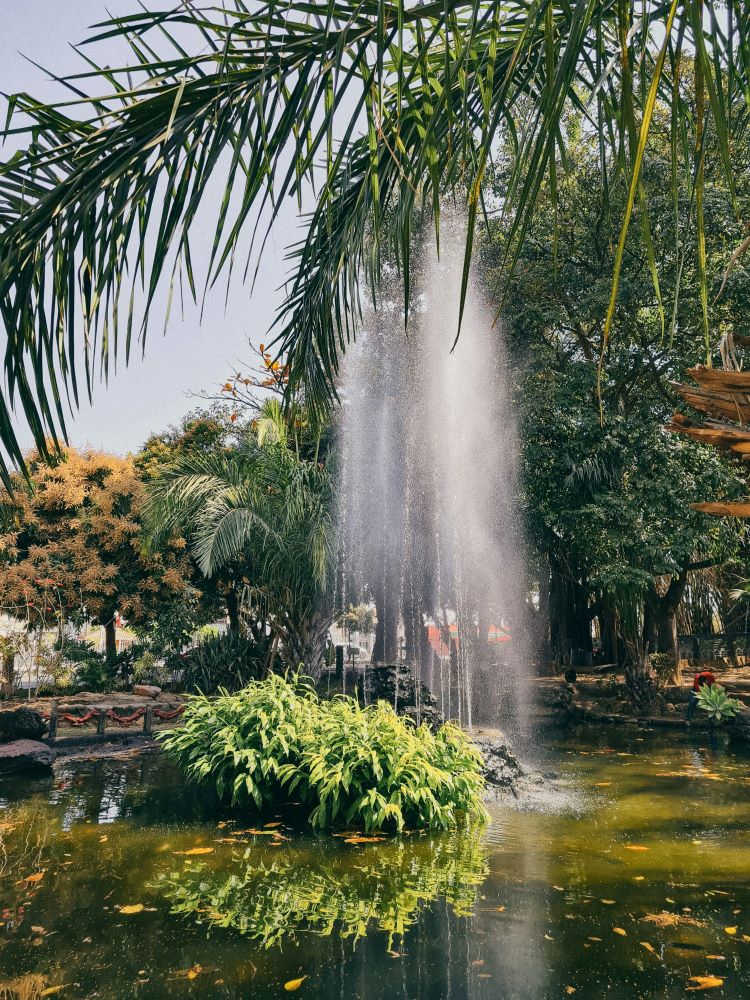
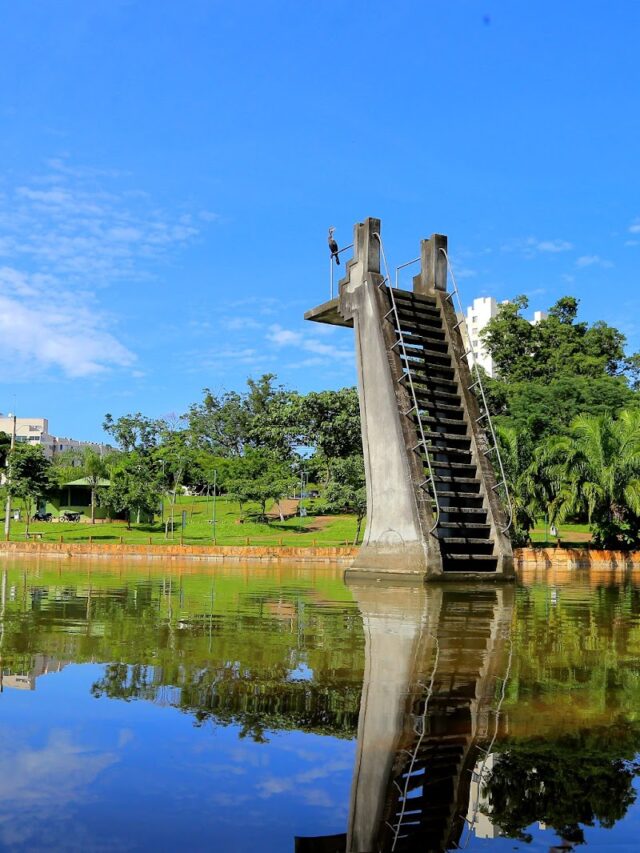
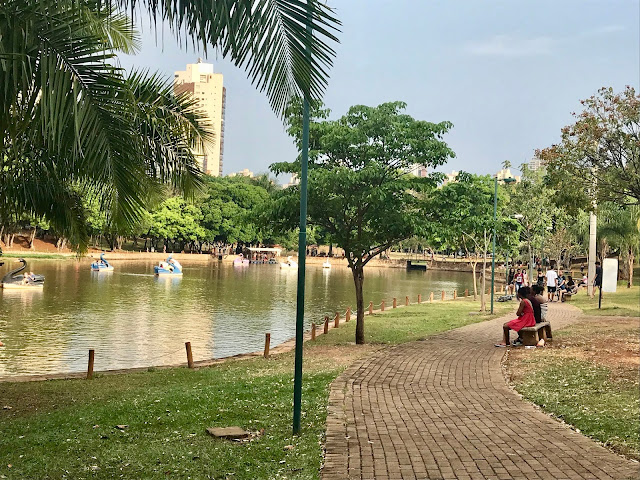
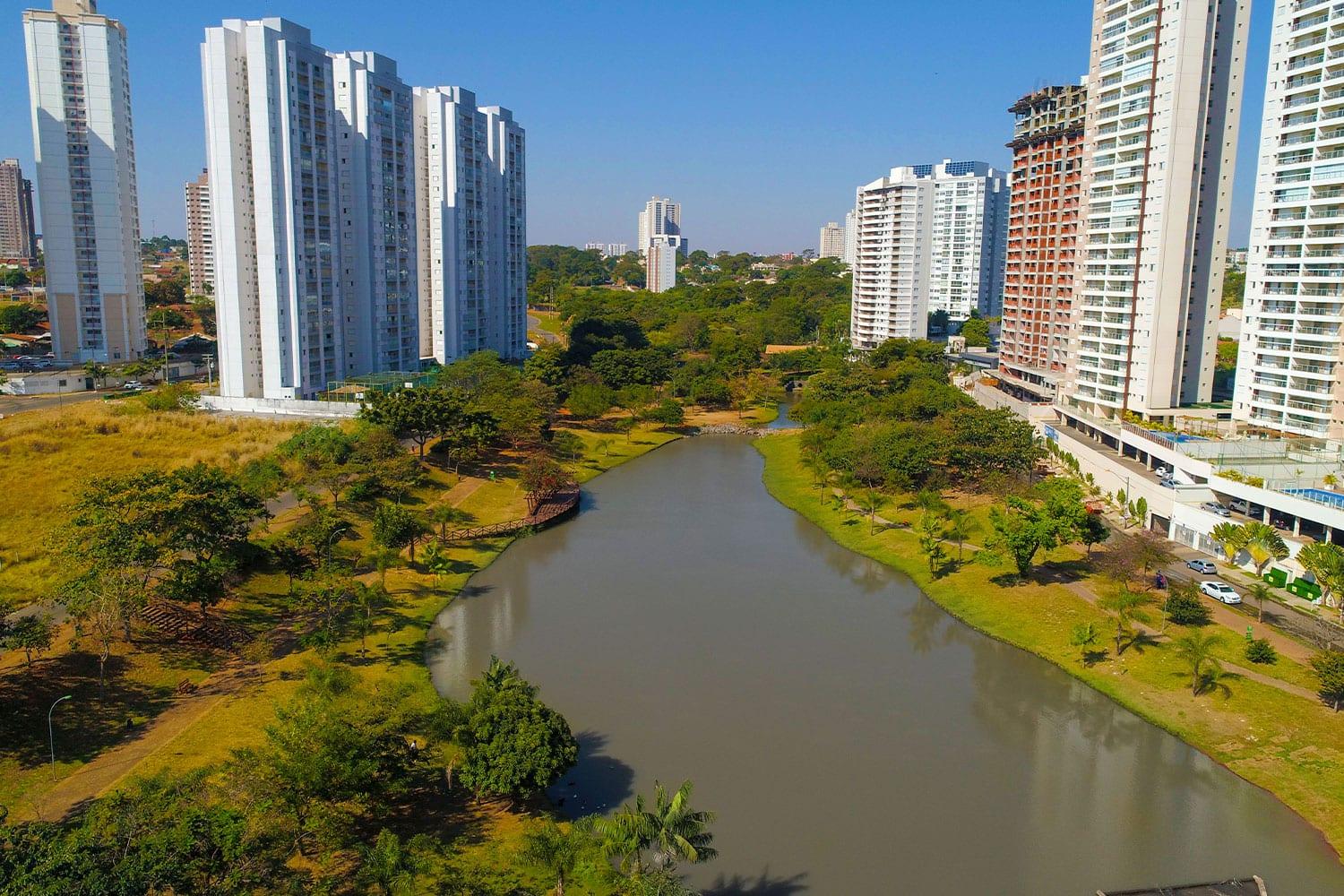
The capital of Goiás is modern, organized, and known for its quality of life. With many urban parks, such as Bosque dos Buritis and Parque Flamboyant, the city offers green
areas ideal for walking and relaxing.
Gastronomy is one of the strong points. Goiânia concentrates traditional restaurants and popular fairs, such as Feira da Lua, where you can find typical dishes and regional products. The city is also a reference in sertanejo music, with bars and concert halls spread throughout the region.
Pirenópolis
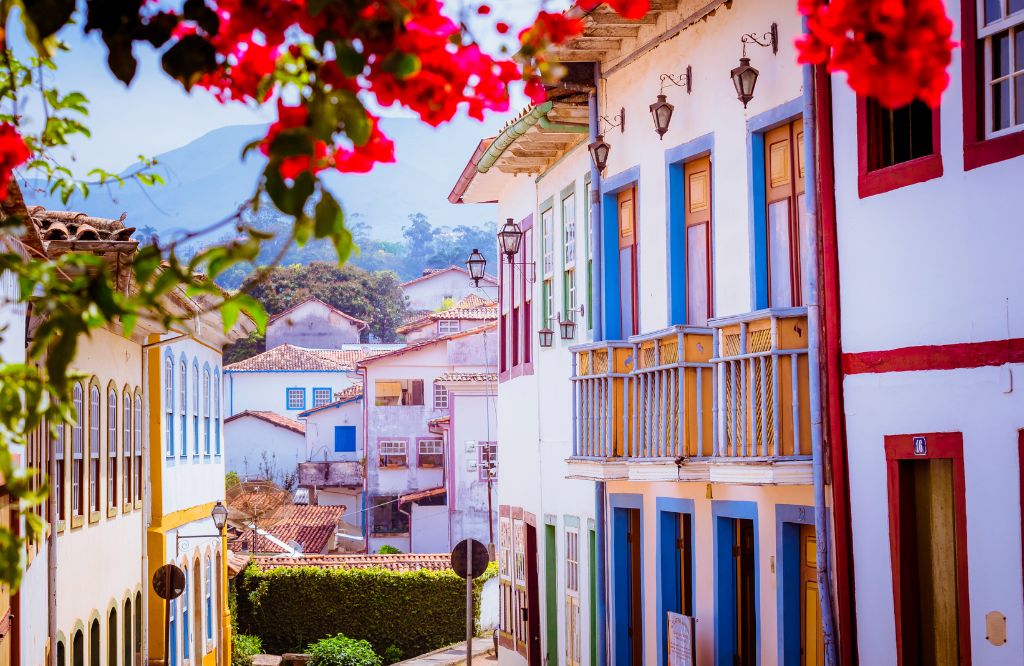
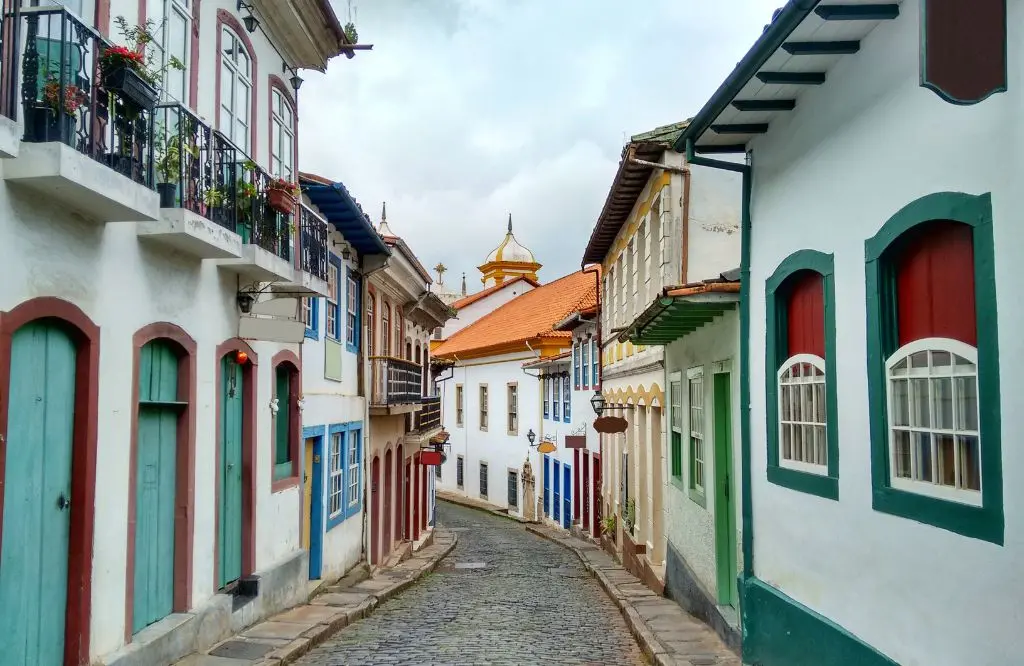
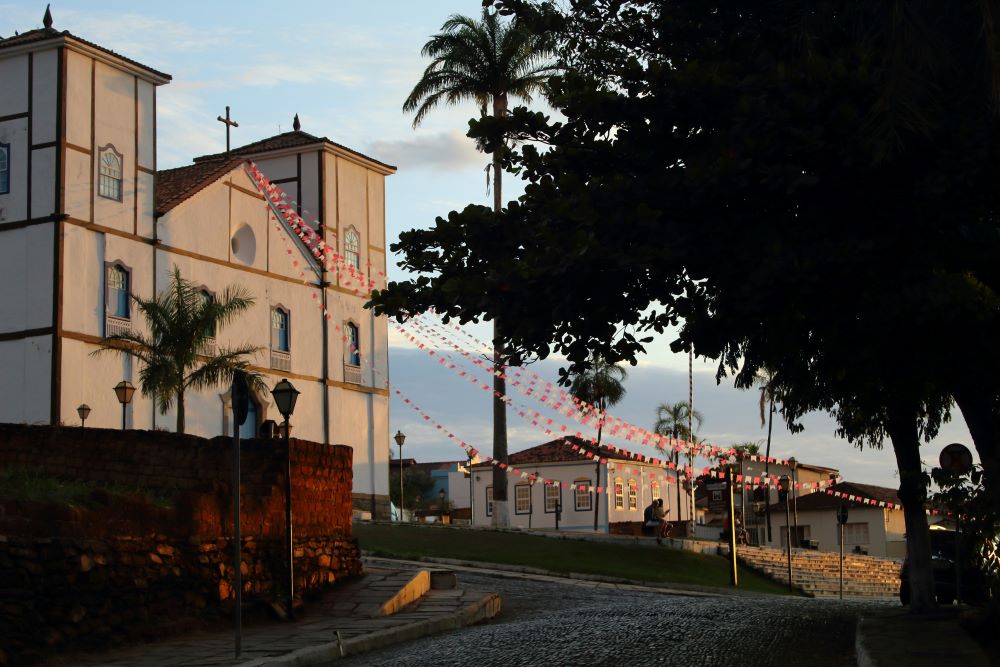
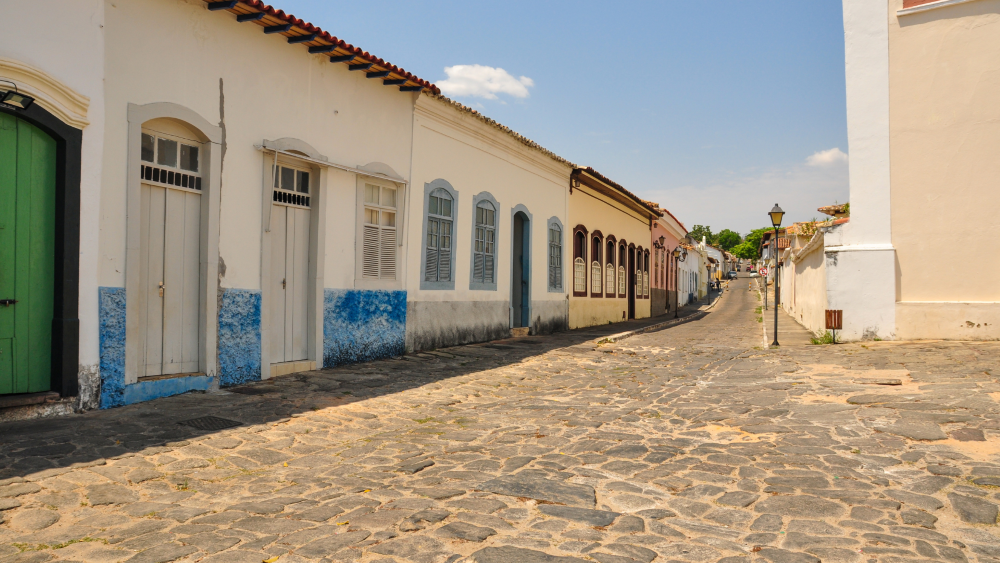
Pirenópolis is one of the most charming destinations in Goiás. The preserved historic center, with stone streets and colonial mansions, creates a welcoming environment full of identity.
In addition to the cultural part, the city is surrounded by waterfalls. There are options for all levels, from light trails to longer routes. It is a balanced destination for those who want to combine nature and history in the same trip.
Chapada dos Veadeiros
(Based in Alto Paraíso de Goiás and Cavalcante)
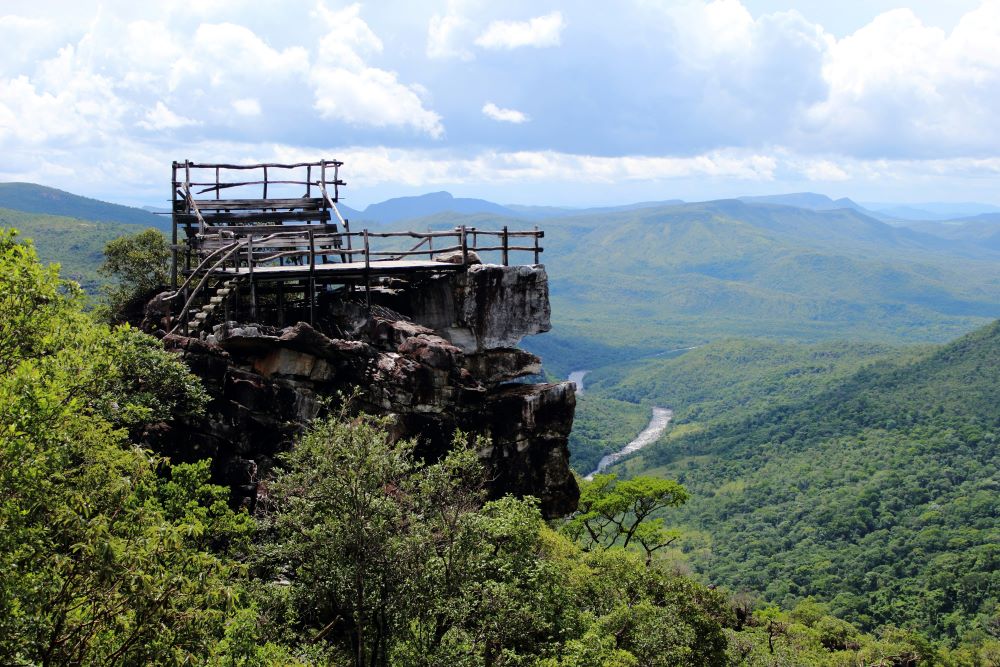
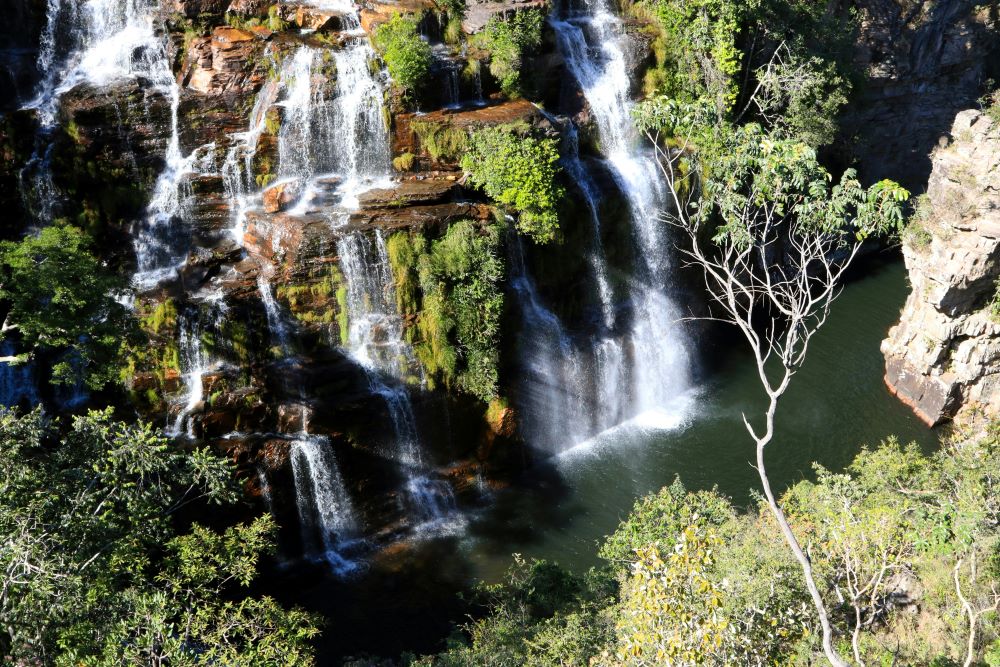
Chapada dos Veadeiros is the state’s main nature destination. With unique landscapes, trails, and crystal-clear waterfalls, the region attracts travelers in search of direct contact with the cerrado (Brazilian savanna).
Locations like Vale da Lua (Moon Valley) and the Santa Bárbara Waterfall are some of the highlights. The tourist infrastructure in Alto Paraíso and Cavalcante facilitates access to the trails and main attractions.
City of Goiás
Known as Goiás Velho, this historic city is a cultural heritage site and holds an important part of the state’s history. Colonial buildings and narrow streets create a setting that harkens back to the period of colonial Brazil.
The city is also marked by strong cultural traditions, such as the Procissão do Fogaréu. It is a recommended destination for those seeking a quieter experience, focused on history and culture.
Caldas Novas
Caldas Novas is one of the most visited destinations in Goiás, known for its thermal waters. The city has several water parks and resorts, ideal for those seeking leisure and rest.
The natural hot springs are the main attraction, with pleasant temperatures throughout the year. It is a practical destination, with good infrastructure for families and short trips.
What to do in Goiás
- Explore trails, waterfalls, and natural formations in Chapada dos Veadeiros
- Relax in thermal waters and enjoy water parks in Caldas Novas and Rio
- Quente Walk through the historic center and discover traditions in the City of Goiás
- Discover waterfalls and nature around Pirenópolis
- Participate in traditional festivals and cultural manifestations in the state’s interior
Explore the essence of Goiás
Tourism in Goiás combines the nature of the cerrado, historic cities, and cultural traditions that span generations. Between plateaus, rivers, and popular festivals, the state offers authentic experiences for those seeking a connection with the interior of Brazil. Below, see activities that help build a complete itinerary.
Nature tours
- Chapada dos Veadeiros (Alto Paraíso and Cavalcante): Trails, waterfalls, and unique cerrado landscapes. Highlights include Vale da Lua and the Santa Bárbara Waterfall, with crystal-clear waters.
- Pirenópolis: Easy-to-access waterfalls and trails in the middle of nature, with options for different difficulty levels.
- Caldas Novas and Rio Quente: Natural thermal waters with water parks and resorts ideal for relaxing all year round.
- Formosa: Visit Salto do Itiquira, one of the highest accessible waterfalls in Brazil, surrounded by preserved nature.
Cultural tours
- City of Goiás: Historic center with colonial mansions, churches, and traditions such as the Procissão do Fogaréu.
- Goiânia: Museums, traditional fairs, and urban parks that show the modern and cultural side of the state.
- Pirenópolis: Cultural events such as the Cavalhadas and Divine festivals, in addition to a preserved historic center.
- Traditional festivals in the interior: Religious and cultural celebrations spread across several cities, with strong participation from the local community.
Gastronomy in the state of Goiás
Goiás cuisine is one of the most striking in Brazil, with intense flavors and recipes that reflect the identity of the cerrado. Influenced by indigenous, African, and Portuguese traditions, gastronomy in Goiás values local ingredients and preparations that cross generations.
In the context of tourism in Goiás, trying typical food is an essential part of the trip. More than just food, gastronomy represents culture, history, and the way of life of the Brazilian interior.
- Empadão goiano: One of the most traditional dishes in the state, prepared with dough filled with chicken, sausage, cheese, and regional ingredients like pequi.
- Rice with pequi: A classic of Goiás cuisine, it combines rice with the typical fruit of the cerrado, known for its striking flavor and aroma.
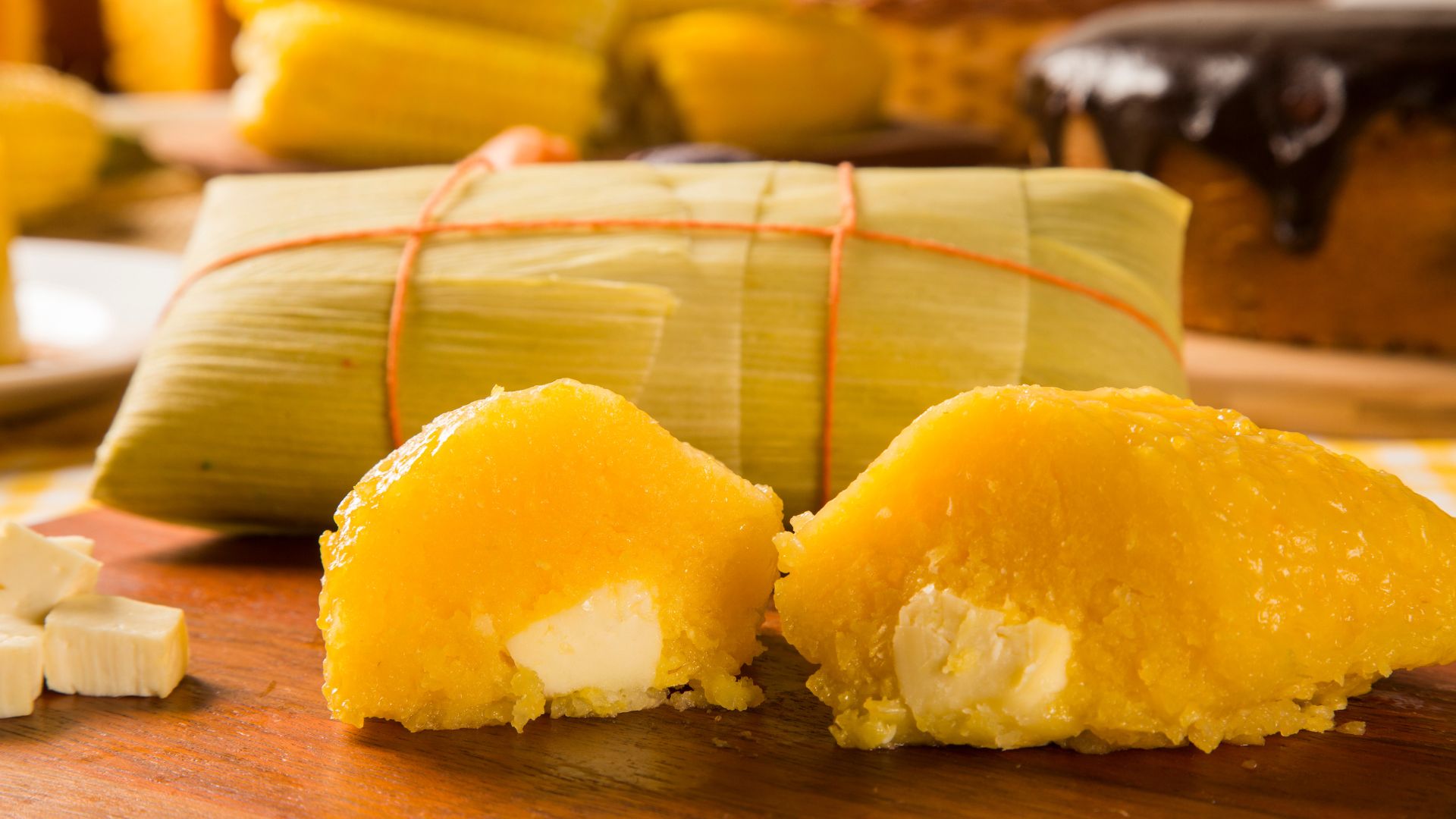
- Pamonha: Made from fresh corn, it can be sweet or savory, and is widely consumed at regional fairs and festivals.
- Galinhada: A simple and tasty dish, made with rice, chicken, and typical seasonings, very present in the daily life of Goiás.
- Dulce de leche and preserves: Traditional desserts made by hand, with fruits from the cerrado and family recipes.
Tips for enjoying Goiás gastronomy
- Fairs and markets: Visit local fairs in cities like Goiânia to try typical dishes and fresh regional products.
- Typical restaurants: Look for restaurants that value regional cuisine, especially in destinations like Pirenópolis and the City of Goiás.
- Street food: Try pamonha, boiled corn, and quitandas (baked goods) sold at stalls and fairs. It is a practical way to experience the local culture.
- Gastronomic festivals: Participate in regional events that celebrate Goiás cuisine, with typical dishes and traditional recipes.

How to get to the state of Goiás
Tourism in Goiás begins with a simple and practical arrival plan. Located in the center of Brazil, the state is easily accessible by different means of transport, mainly from large capitals.
By plane
- Goiânia Santa Genoveva International Airport (GYN): The main air gateway to the state, with direct flights from Brazil’s main capitals. It is located near the center of Goiânia, facilitating initial travel.
- Caldas Novas Airport: A practical option for those heading to the region’s thermal waters, with seasonal and chartered flights.
By car
- BR-060: Connects Brasília to Goiânia, being one of the main access routes to the state, with a fast and well-structured journey.
- BR-153: Cuts through Goiás from north to south, connecting several cities and facilitating internal travel.
BR-070: Important for those coming from Mato Grosso or the Federal District, with access to the west of the state.
How to get around in Goiás
After arriving, it is important to understand how to move around to better enjoy tourism in Goiás. As many destinations involve nature and smaller cities, transport planning makes a difference in the experience.
Car rental
- Book in advance to ensure better prices and availability
- Check road conditions, especially in areas with access to waterfalls
- Use updated GPS or navigation apps, as the signal can vary in more remote regions
Public transport
- Use apps to check bus routes and schedules
- In smaller tourist destinations, the offer may be limited
- For journeys between cities, intercity buses are a viable option
Taxis and transport apps
- Check the estimated value before starting the ride
- Prefer apps like Uber and 99 for more convenience
- In smaller cities, availability may be reduced
Organized tours
- Local agencies offer itineraries for waterfalls and trails
- Compare options and reviews before hiring
- In destinations like the Chapada, local guides may be recommended for specific trails
Best time to visit Goiás
- Dry season (May to September): This is the best period to explore nature, especially in Chapada dos Veadeiros. Days are sunny with little rain, which facilitates hiking and access to waterfalls. The water is clearer, and the weather is more stable for outdoor activities.
- Rainy season (October to April): During this time, rains are more frequent, but the cerrado landscape becomes greener and more intense. Waterfalls gain more volume, creating impressive scenarios. On the other hand, some trails can become slippery and require more attention.
- Transition months (April, May, and September): These are balanced periods, with fewer tourists and good weather conditions. It is a great choice for those who want to enjoy destinations like Pirenópolis and the City of Goiás with more peace and often better prices.
Emergency services and tourist support in Goiás
The state of Goiás has an adequate support structure to receive visitors, especially in established tourist destinations such as Goiânia, Caldas Novas, Pirenópolis, and regions near Chapada dos Veadeiros. In these locations, it is possible to find hospitals, urgent care units, police stations, and basic services aimed at tourists.
To ensure a smoother trip, it is ideal to keep main emergency contacts and local information handy. In areas with a higher flow of visitors, such as historic centers, natural parks, and waterfall access regions, there is tourist signage and local support, although access may be limited in more remote areas.
Additionally, many municipalities have tourism secretarias and visitor service centers that offer guidance, maps, and support during the stay.
General Emergencies
- Military Police (emergency) – 190
- SAMU (Mobile Emergency Care Service) – 192
- Fire Department – 193
- Civil Defense (environmental emergencies) – 199
- Public Safety Hotline – 181
Tourist Safety and Support
- Civil Police (Information and incidents) – 197
- Federal Highway Police (PRF) – 191
Health and Medical Care
- SAMU – Medical Emergency – 192
More tips about Goiás
To make the most of your trip to Goiás, some practical precautions make a difference, especially since it involves nature, longer travels, and smaller cities. Check out guidelines that help better organize your itinerary.
Withdraw cash with ATM24h
Although cards are accepted in many cities, smaller destinations and natural attractions may not have full infrastructure. In places near Chapada dos Veadeiros or in historic cities, having cash facilitates payments.
Check the installed points here.
Sunscreen and repellent
The climate in Goiás is usually hot and dry for much of the year. On trails, waterfalls, and cerrado areas, the use of sunscreen and repellent is essential to avoid discomfort.
Stay hydrated
During walks on trails and waterfalls, especially in the Chapada, always carry water. The heat and physical effort require constant attention to hydration.
Try local cuisine
Goiás gastronomy is an important part of the experience. Dishes like empadão goiano, rice with pequi, and pamonha help understand the local culture in a practical and direct way.
Respect nature and traditions
Most attractions are in natural areas. Respect preservation rules, avoid leaving trash, and follow local guidelines. In historic cities like the City of Goiás, also value cultural traditions.
Local transport
A car greatly facilitates movement between attractions. In cities like Pirenópolis, many tours can be done on foot in the historic center, but access to waterfalls usually requires travel.
Accommodation
Book in advance, especially on holidays and high season. Destinations like Caldas Novas and regions of the Chapada tend to have high demand in specific periods.
With these tips, the experience in Goiás becomes more organized and safe. The state requires a little more planning but delivers a complete itinerary with nature, culture, and tranquility.
Do I need a visa to visit Goiás?
If you are Brazilian, you do not need a visa. For foreigners, the rules are the same as for Brazil. It is important to check the requirements according to your country of origin before traveling.
When is the best time to visit Goiás?
Goiás can be visited all year round. The dry season, between May and September, is ideal for trails and waterfalls in Chapada dos Veadeiros. The rainy season makes the landscape greener and the waterfalls more voluminous.
What are the main typical foods of Goiás?
Empadão goiano, rice with pequi, pamonha, and galinhada are among the most traditional dishes. Local cuisine values cerrado ingredients and recipes that are part of the regional culture.
How can I get around Goiás?
A car is the best option for exploring the state, especially for accessing natural destinations. It is also possible to use intercity buses and, in cities like Goiânia, transport apps and taxis.
Is it safe to travel through Goiás?
Generally, yes. As in any destination, basic attention to belongings is recommended, avoiding isolated areas at night and following local guidelines, especially on trails and waterfalls.
Where can I withdraw money?
ATMs are available mainly in larger cities like Goiânia and Anápolis. In smaller destinations, it is recommended to already have cash on hand.
