
















Understanding how to get to Rio de Janeiro is the first step to ensuring an organized, safe trip without setbacks upon arrival. Your choice of transportation directly impacts time, cost and overall experience. Planning this stage prevents rushed decisions and unnecessary transfers.
Over years of guiding domestic and international travelers, the Brasil ATM team has identified a recurring pattern. Many unexpected issues happen before visitors even reach their accommodation. The main cause is the lack of clear information about airports, the bus station, distances and urban logistics.
When your route is well planned, your experience in the city begins more smoothly. Arrival stops being a stressful moment and becomes part of your strategic travel planning. Reliable information transforms transportation into security.

How to get to Rio de Janeiro by plane
The fastest and most practical way for those coming from other states or abroad is through the city’s airports: Galeão (international and domestic flights) or Santos Dumont (domestic flights).
Rio has two main airports:
Tom Jobim International Airport (Galeão) – GIG

- Main international gateway
- Receives flights from Europe, North America and South America
- Located on Ilha do Governador, about 20 km from Copacabana
- Best option for international arrivals
Ideal profile: international travelers or long-distance domestic flights.
Santos Dumont Airport – SDU

- Operates domestic flights
- Strategic location in Downtown
- About 10 km from the South Zone
- Ideal for the São Paulo–Rio shuttle route
Ideal profile: travelers from Brazilian capitals, especially São Paulo, Belo Horizonte and Brasília.
Quick comparison: Galeão vs Santos Dumont
| Criteria | Galeão (GIG) | Santos Dumont (SDU) |
| Flight type | Domestic and international | Domestic only |
| Distance to Copacabana | ~20 km | ~10 km |
| Average time to South Zone | 30 to 50 min | 15 to 30 min |
| Ideal profile | Long-haul and international flights | Short and business trips |
If you are deciding how to get to Rio de Janeiro by plane, consider:
- Flight origin
- Accommodation location
- Arrival time
- Transfer cost
The closest airport is not always the best option if the ticket price is significantly higher.
How to get to Rio de Janeiro by bus

An economical alternative for travelers from the Southeast and South regions. Arrival is through the city’s main bus station.
The main land gateway is:
Novo Rio Bus Station
- Located in the Santo Cristo area
- About 15 km from Copacabana
- Connected to major Brazilian capitals
Companies operate daily routes from São Paulo, Belo Horizonte, Vitória, Curitiba and other cities.
Advantages:
- Lower cost
- Wide range of schedules
- Direct connection to metro and ride apps
Points to consider:
- Longer travel time
- Traffic at city entrances
- Night arrivals require extra attention
For those searching how to get to Rio de Janeiro on a budget, the bus may be the best option, especially for trips up to 8 hours.
How to get to Rio de Janeiro by car
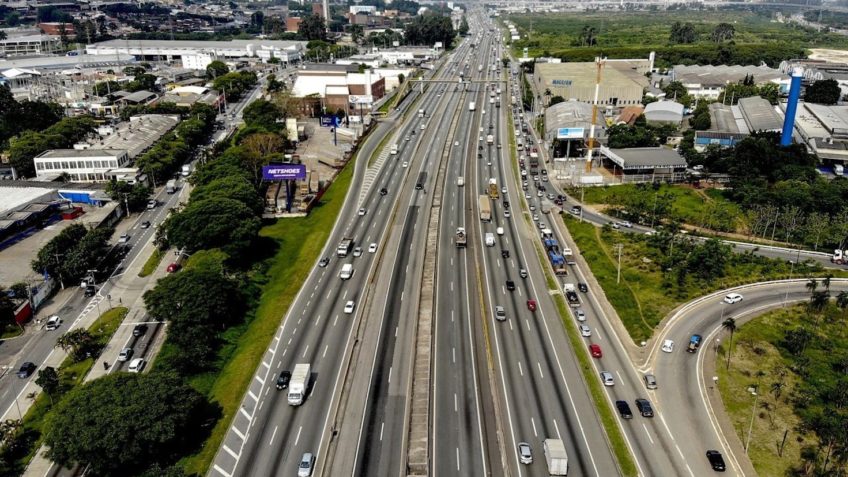
A flexible option for those leaving from nearby cities, but it requires planning due to traffic and tolls.
Main access routes:
Via Presidente Dutra Highway (BR-116)
- Connects São Paulo to Rio
- Distance: ~430 km
- Average time: 5 to 6 hours
Via BR-101
- Connects Rio to the South and Northeast
- Coastal and urban stretches
Via Rio–Niterói Bridge
- Main connection to the Metropolitan Region
Estimated average costs
| Item | Approximate cost |
| Tolls (SP–RJ) | R$ 70 to R$ 90 |
| Fuel | R$ 250 to R$ 350 |
| Daily parking in South Zone | R$ 40 to R$ 80 |
For those looking for how to get to Rio de Janeiro with autonomy, driving offers flexibility. However, it may increase the total trip cost.
How to get to Rio de Janeiro from abroad

The main access is via Galeão, with direct flights from major international hubs.
International airlines operate routes from:
- Europe: Paris, Amsterdam, Lisbon, Frankfurt, London
- North America: Miami, Toronto, Atlanta, Houston, Dallas, New York
- South America: Buenos Aires, Santiago, Rosario, Córdoba, Montevideo
- Middle East: Dubai
Upon arrival at Galeão, you will find:
- Currency exchange
- Ride-hailing services
- Official taxis
- Executive buses
The Brasil ATM team recommends arranging transportation and connectivity before departure. This avoids rushed decisions upon arrival.
How to leave the airport safely

After understanding how to get to Rio de Janeiro, the next step is planning your transfer from the arrival point.
From Galeão
- Uber and apps: 30 to 50 minutes to the South Zone
- Official taxi: fixed fare available
- Executive bus (seasonal availability)
From Santos Dumont
- Uber or taxi: 15 to 25 minutes to Copacabana
- VLT light rail for metro integration
- Easy access to Downtown
What is the best way to get to Rio de Janeiro?
It depends on three main factors:
- City of origin
- Available budget
- Travel time
General comparison
| Transportation | Time | Cost | Comfort | Best for |
| Plane | Fast | Medium/high | High | Long distances |
| Bus | Medium | Low | Medium | Southeast/South |
| Car | Variable | Medium | High | Nearby cities |
How to get to Rio de Janeiro and save money
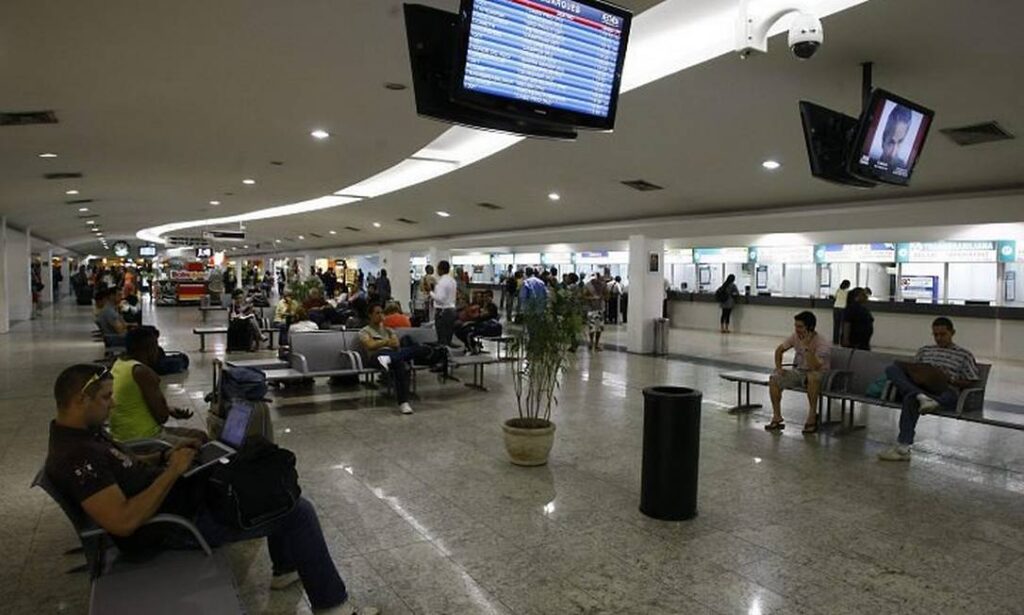
Practical strategies:
- Monitor ticket prices in advance
- Evaluate alternative airports
- Consider flights to nearby cities + bus
- Avoid peak hours
Planning reduces costs and increases predictability.
Step-by-step to plan your arrival
- Define your city of origin
- Compare plane, bus and fuel prices
- Choose airport or bus station
- Book your transfer in advance
- Ensure internet connection upon arrival
Conclusion: arriving well means starting well

Knowing how to get to Rio de Janeiro is more than choosing a means of transport. It defines how your experience in the city begins.
When planning is done before departure, arrival stops being stressful and becomes part of a positive travel experience. Rio is intense, diverse and full of possibilities. But it requires strategy.
The Brasil ATM team recommends organizing transportation, connectivity and budget before leaving home. This decision reduces risks and ensures greater peace of mind.
If you want to continue planning your trip safely, access our complete guides on transportation, currency exchange and mobility in the city. Proper planning transforms your experience in Rio.
Where to withdraw cash from ATM24h in Brazil
To make the most of your Rio de Janeiro itinerary, carrying cash is a good idea. It ensures a smooth and hassle-free experience. In some places, cash is essential for food, transportation, attraction tickets, and more.
Check out the table below for 24-hour ATMs in the locations mentioned in this article:
| Where | Location |
| Aeroporto Internacional do Galeão | View locations here |
| Aeroporto Santos Dumont | View locations here |
| MetrôRio | View locations here |
| Sheraton Rio & Resort | View locations here |
| Ipanema Beach Hostel | View locations here |
Discover Brasil ATM (At The Moment)
At Brasil ATM, we see Brazil as a place full of unique beauty and fascinating culture. Our portal, supported by the global ATM24h brand, reflects our love for Brazil. We aim to inspire tourists to explore its wonders safely and informed.
We provide accurate, updated, and inspiring information in three languages. With us, you’ll have everything you need to plan your trip with confidence. We offer travel guides, detailed itineraries, and helpful planning tips.
We want to create memories that last. We’ll show you the natural and cultural beauty of Brazil. Explore famous destinations like Rio de Janeiro and São Paulo, and discover hidden gems like Lençóis Maranhenses and Fernando de Noronha. We’re here to help you make the most of your trip.

You may also like about Rio de Janeiro:
- Airports of Rio de Janeiro – Complete guide to arrive, depart, and get around without mistakes
- Public transportation in Rio de Janeiro: how it works, how much it costs, and how to use it safely
- How to Get Around Rio de Janeiro – Practical tips to get around safely and efficiently
- What to Do in Rio de Janeiro – Must-See Attractions to Make the Most of the City
Frequently Asked Questions about how to get to Rio de Janeiro
It depends on your city of origin, budget and available time. For long distances, flying is faster; for trips up to 8 hours, bus or car may be worth considering. Evaluating airport choice, transfer and total costs makes a difference. Plan your arrival with Brasil ATM’s expert guidance and avoid common mistakes.
Galeão (GIG) is ideal for international and long-haul flights, while Santos Dumont (SDU) is closer to the South Zone and recommended for domestic routes. Your choice should consider accommodation location and arrival time. Consult Brasil ATM guides and choose the most strategic airport for your itinerary.
Bus is the most economical option for travelers from the Southeast or South. Monitoring airfare in advance and avoiding peak hours also reduces costs. Planning is what truly guarantees savings. Visit Brasil ATM and discover practical strategies for better cost-benefit travel.
Use official apps, licensed taxis or pre-booked transportation. From Galeão to the South Zone takes 30 to 50 minutes; from Santos Dumont, 15 to 25 minutes. Organizing transportation before landing increases predictability. See complete mobility recommendations at Brasil ATM and arrive with greater peace of mind.