


















Tourism in Foz do Iguaçu offers an unforgettable experience, marked by impressive natural landscapes, internationally recognized attractions, and the cultural richness of the triple border. The city is one of the most visited destinations in Brazil and combines adventure, nature, and quality tourist infrastructure.
The main highlight is Iguaçu National Park, home to the famous Iguaçu Falls, considered one of the Seven Natural Wonders of the World. The walk along the walkways offers panoramic views of the waterfalls, while attractions such as Macuco Safari allow for an even closer experience with nature.
In addition to the falls, Foz do Iguaçu brings together attractions for all types of travelers. Bird Park (Parque das Aves), Itaipu Binacional, and the proximity to Ciudad del Este and Puerto Iguazú make the destination even more complete, allowing visitors to experience three countries in a single trip.
At Brasil ATM, we’ve gathered everything you need to explore Foz do Iguaçu with confidence: updated guides, practical tips, and reliable information so your trip is safe, organized, and complete from start to finish.


Cultural traditions that keep the soul of Foz do Iguaçu alive
Foz do Iguaçu is a city marked by cultural diversity, the result of the coexistence of more than 80 nationalities. The influence of Brazilians, Paraguayans, Argentines, and communities from different parts of the world has created a unique identity, reflected in the gastronomy, traditions, and cultural events present in everyday life.
Among the cultural highlights are traditional festivals, food festivals, and celebrations that showcase the different origins of the population. The city also preserves strong influences from the Arab, Japanese, and Italian communities, making the visitor experience even richer and more diverse.
Places like Feirinha da JK and the Landmark of the Three Borders (Marco das Três Fronteiras) reinforce this identity by bringing together gastronomy, crafts, cultural performances, and traditions from the three border countries. In tourism in Foz do Iguaçu, every experience reveals a destination that goes far beyond the falls and captivates with its cultural richness.
News about Foz do Iguaçu
Check more posts >Useful information about Foz do Iguaçu
Area: approximately 618 km²
Population: about 285 thousand inhabitants (recent IBGE estimate)
Time zone: GMT –3 (Brasília Time)
Climate: Humid subtropical, with average temperatures between 15 °C and 32 °C throughout the year
Area code (DDD): 45
Voltage: 127V, predominant
Outlets: Type N standard (three round pins)
Main destinations in Foz do Iguaçu
Foz do Iguaçu brings together attractions that combine nature, adventure, culture, and engineering. Tourism in the city goes far beyond the famous falls and offers experiences for different types of travelers. Below, check out the main destinations that should not be left out of your itinerary.
Iguaçu Falls
The Iguaçu Falls are the city’s main postcard image and one of the Seven Natural Wonders of the World. Located within Iguaçu National Park, they impress with the force of the waterfalls and the preserved landscapes of the Atlantic Forest.
The walkways allow for different observation angles, including the famous view of the Devil’s Throat (Garganta do Diabo). It’s an essential visit for anyone traveling to Foz do Iguaçu.


Bird Park (Parque das Aves)
Located next to the entrance of Iguaçu National Park, the Bird Park houses hundreds of Atlantic Forest bird species. The immersion aviaries allow visitors to observe toucans, macaws, flamingos, and other species up close.
In addition to the visit, the park carries out important conservation and environmental education projects, making the experience even more enriching.
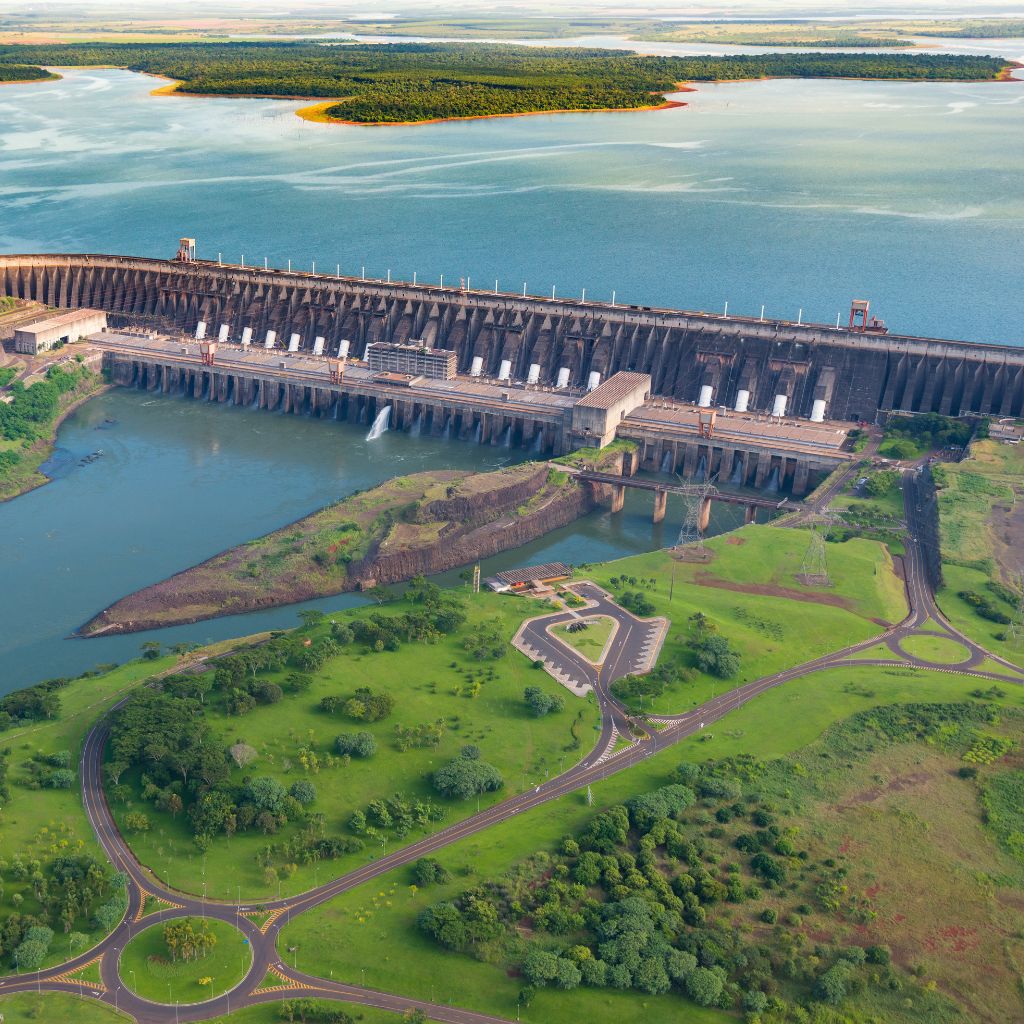
Itaipu Binacional
Itaipu Binacional is one of the largest hydroelectric power plants in the world in terms of energy generation. The complex offers different types of visits, including panoramic tours and internal circuits that showcase the grandeur of the project.
Besides its importance for energy supply in Brazil and Paraguay, the site also features attractions focused on sustainability and environmental preservation.

Landmark of the Three Borders (Marco das Três Fronteiras)
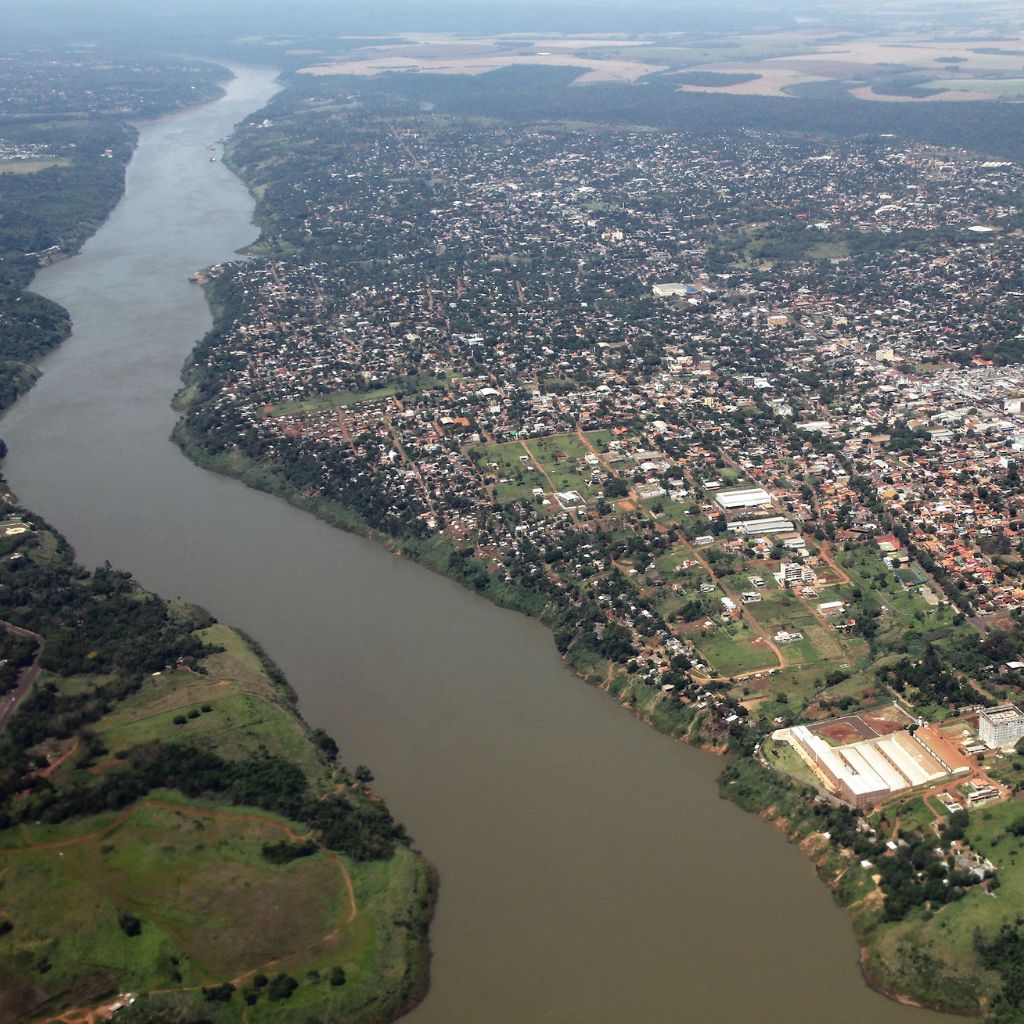
The Landmark of the Three Borders marks the meeting point of Brazil, Argentina, and Paraguay. The site offers one of the most beautiful sunset views in the city, along with cultural performances, restaurants, and gathering areas.
It’s an excellent place to learn more about the region’s history and enjoy a pleasant atmosphere in the late afternoon.
Ciudad del Este and Puerto Iguazú
The privileged location allows two neighboring countries to be included in the same itinerary. Ciudad del Este, in Paraguay, is known for its shopping options, while Puerto Iguazú, in Argentina, offers restaurants, craft fairs, and access to the Argentine side of the Iguaçu Falls.
This ease of crossing borders makes Foz do Iguaçu one of the most complete destinations in South America.
What to do in Foz do Iguaçu
- Visit the Iguaçu Falls and walk along the walkways with panoramic views of the waterfalls
- Take the Macuco Safari tour and get very close to the falls by boat
- Explore the Bird Park and observe Atlantic Forest species in immersion aviaries
- Explore Itaipu Binacional and discover one of the largest hydroelectric power plants in the world
- Watch the sunset and cultural performances at the Landmark of the Three Borders
- Go shopping in Ciudad del Este or visit Puerto Iguazú to see the Argentine side of the falls
- Try local and international cuisine, influenced by the various cultures present in the triple border

Explore the essence of Foz do Iguaçu
Tourism in Foz do Iguaçu combines lush nature, internationally recognized attractions, and unique cultural experiences. Between falls, parks, adventure tours, and the richness of the triple border, the city offers activities for every type of traveler. Below, see what to include in your trip.

Nature tours
- Iguaçu Falls: Walks along the walkways with panoramic views of one of the Seven Natural Wonders of the World.
- Macuco Safari: A boat tour that takes visitors very close to the waterfalls, providing an unforgettable experience.
- Bird Park: Immersion aviaries with hundreds of Atlantic Forest species, plus environmental conservation projects.
- Iguaçu National Park: Trails, lookout points, and preserved areas that allow you to explore one of Brazil’s most important nature reserves.
Cultural tours
- Landmark of the Three Borders: A space with cultural performances, gastronomy, and a view of the meeting point between Brazil, Argentina, and Paraguay.
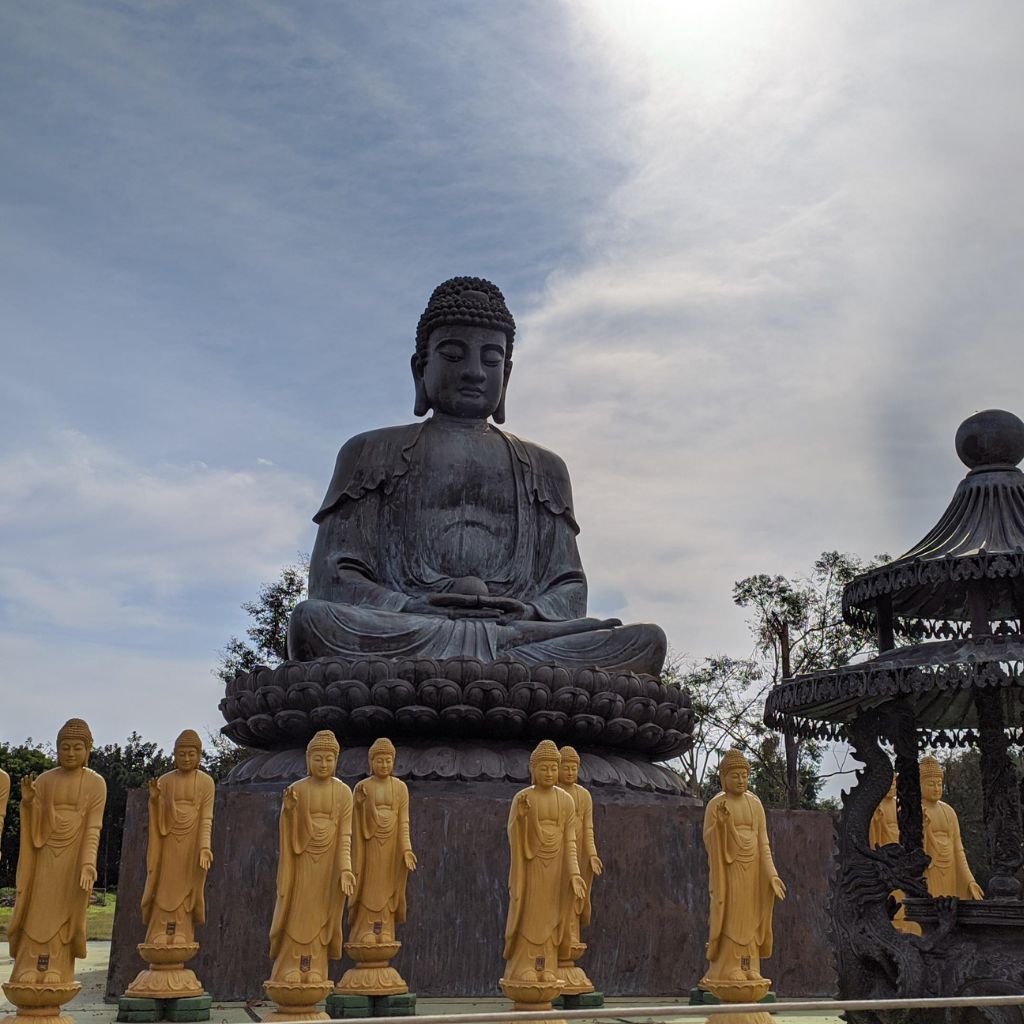
- Chen Tien Buddhist Temple: One of the main Buddhist temples in South America, known for its tranquility and the statues spread throughout the gardens.
- Omar Ibn Al-Khattab Mosque: One of the main symbols of the Arab community in Foz do Iguaçu, open to visitors with guided tours.
- Itaipu Ecomuseum: An interactive museum that presents the history of the region, the construction of the power plant, and the environmental and cultural importance of the border.
Gastronomy in Foz do Iguaçu
The gastronomy of Foz do Iguaçu reflects the cultural diversity of the triple border and the presence of communities from different nationalities. This mix of Brazilian, Argentine, Paraguayan, Arab, Italian, and Asian influences results in a rich and varied cuisine, capable of pleasing every palate.
With restaurants specializing in meats, fish, pasta, and international cuisine, as well as cafés and food fairs, the city offers experiences that go far beyond its tourist attractions. In tourism in Foz do Iguaçu, getting to know the local cuisine is an essential part of the trip.

Typical dishes and regional flavors
- Grilled pintado (surubim catfish): One of the most appreciated fish in the region, usually served grilled and accompanied by rice and cassava.
- Churrasco (barbecue): The Gaúcho and Argentine influence makes grilled meats one of the great highlights of the local cuisine.
- Empanadas: Very popular due to the proximity to Argentina, they appear in many of the city’s restaurants and cafés.
- Chipa: A Paraguayan-style cheese bread made with cassava starch and cheese, easily found in bakeries and snack shops.
- Arab food: Esfihas, kibbeh, hummus, and other traditional dishes reflect the strong presence of the Arab community in Foz do Iguaçu.
Tips for enjoying the gastronomy in Foz do Iguaçu
- Triple border restaurants: Take advantage of the culinary diversity to try Brazilian, Argentine, Paraguayan, and Arab cuisine in a single destination.
- Fairs and markets: Local food spaces offer regional products, sweets, crafts, and traditional border foods.
- Specialty restaurants: Try establishments dedicated to meats, freshwater fish, and international cuisine to experience different flavors.
- Puerto Iguazú: Book a meal in the Argentine city to try cuts of meat, wines, and traditional dishes from the country.
- Local experiences: Be sure to try typical border recipes and dishes made with regional ingredients, which help tell the story and cultural identity of Foz do Iguaçu.

How to get to Foz do Iguaçu
Access to Foz do Iguaçu is easy and well structured, with options for those traveling by plane, car, or bus. The city is one of Brazil’s main tourist destinations and receives visitors from different parts of the country and South America.
By plane
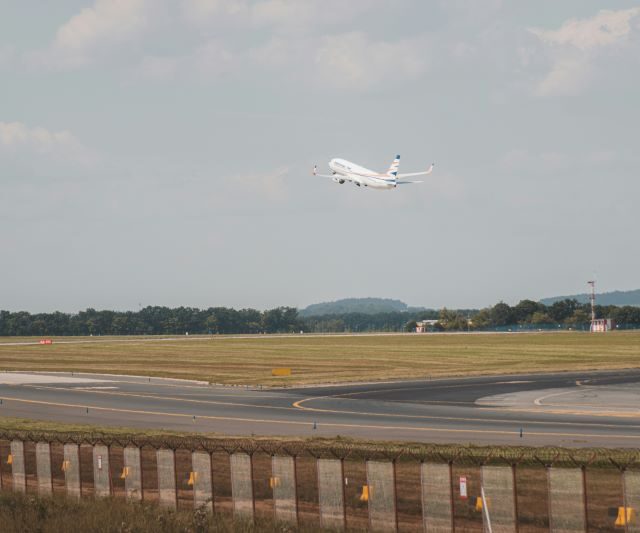
Foz do Iguaçu International Airport (IGU): This is the city’s main gateway, with direct flights to several Brazilian destinations. The airport is about 15 km from downtown and close to Iguaçu National Park, offering easy access by taxi, ride-hailing apps, private transport, and rental cars.
By car
Foz do Iguaçu is connected by major highways that facilitate land access:
- BR-277: The main link between Foz do Iguaçu, Curitiba, and the coast of Paraná.
- BR-469: Known as the Rodovia das Cataratas (Falls Highway), it connects downtown to the International Airport, Iguaçu National Park, and the main tourist attractions.
- International access: The city is also connected to Argentina via the Tancredo Neves Bridge and to Paraguay via the Friendship International Bridge, allowing quick travel between the three countries.
The highways are well signposted and offer a practical alternative for those who want to explore the region by car during their trip.
Getting around Foz do Iguaçu
After arriving, understanding how to get around Foz do Iguaçu helps you make the most of your itinerary. The main attractions are spread throughout the city and, in some cases, close to the borders with Argentina and Paraguay, making transportation planning important.
Car rental
- Booking in advance helps you find better rates and a wider variety of vehicles.
- It’s the most practical option for visiting the Iguaçu Falls, Itaipu Binacional, and other attractions at your own pace.
- Navigation apps make it easier to get around between tourist spots.
- Ideal for those planning to include visits to Puerto Iguazú and Ciudad del Este during the trip.
Public transportation
- The city has bus lines that serve downtown, the airport, and the main tourist attractions.
- It’s an economical alternative for those traveling with more time and looking to reduce transportation costs.
- Mobility apps help check schedules and plan routes.
Taxis and ride-hailing apps
- Uber and other apps work normally in Foz do Iguaçu, with good availability.
- Checking the estimated fare before the ride helps with budget control.
- Taxis are available at the airport, hotels, and main tourist spots.
Organized tours
- An excellent option for visiting the Falls, Itaipu Binacional, and other attractions more conveniently.
- Many tours include transportation, a guide, and tickets, making trip planning easier.
- Check reviews and choose reliable companies to enjoy the experience with more peace of mind.

Best time to visit Foz do Iguaçu
Foz do Iguaçu can be visited year-round. The subtropical climate means each season offers a different experience, especially at the Iguaçu Falls, which change in scenery depending on the water volume.
- Spring and fall (March to May and September to November): Considered the best periods to visit the city. Temperatures are pleasant, there is less crowding compared to peak vacation periods, and conditions are ideal for outdoor activities.
- Summer (December to February): Days are hot and rainy, with a higher volume of water at the Iguaçu Falls, making the spectacle even more impressive. It’s also one of the busiest times of the year.
- Winter (June to August): Temperatures are milder and the climate tends to be dry, providing more comfort for walks and visits to attractions. The water volume at the falls may be lower, but visibility is usually excellent.
- For milder temperatures and relaxed sightseeing: March to May and September to November.
- To see the Iguaçu Falls with the highest water volume: December to February.
- For mild weather and lower chance of rain: June to August.
Emergency Services and Tourist Support
Foz do Iguaçu has a solid infrastructure to serve residents and visitors, with emergency services, hospitals, and tourist support distributed throughout the city. As one of Brazil’s main tourist destinations, the city has police presence in the most visited areas and services prepared to welcome both domestic and international tourists.
Places such as Iguaçu National Park, Itaipu Binacional, and the Landmark of the Three Borders have support teams, signage, and infrastructure that contribute to a safe visit. In addition, the municipality offers tourist information centers and visitor guidance services.
For a more peaceful trip, it’s worth keeping the main emergency contacts on hand at all times.
General Emergencies
- Military Police (emergency) – 190
- SAMU (Mobile Emergency Care Service) – 192
- Fire Department – 193
- Civil Defense (environmental emergencies) – 199
- Public Safety Hotline – 181
Tourist Safety and Support
- Civil Police – 197
- Federal Highway Police (PRF) – 191
- Tourist Assistance Centers located at strategic points in the city and at the main attractions.
Health and Medical Care
- SAMU – Medical Emergency – 192
- Public and private hospitals with urgent and emergency care distributed throughout Foz do Iguaçu.
More tips about Foz do Iguaçu
To make the most of your trip to Foz do Iguaçu, a few simple precautions help streamline your itinerary and make the experience even more relaxed. The climate, outdoor attractions, and proximity to Argentina and Paraguay deserve attention during planning.
Withdraw cash with ATM24h
Although cards are widely accepted, having cash on hand can be useful for small purchases, fairs, and local establishments, as well as making it easier to cover expenses during tours in neighboring countries.
Check the available locations here.
Wear comfortable clothing and footwear
Most attractions involve walking.
Comfortable sneakers, light clothing, and a small backpack make a difference when enjoying tours such as the Iguaçu Falls and the Bird Park.
Stay hydrated
The climate can be hot for much of the year.
Bringing a water bottle is recommended, especially during outdoor tours and on the trails of Iguaçu National Park.
Try the local gastronomy
The cuisine of the triple border is one of the highlights of the trip.
Take the opportunity to try Argentine meats, Paraguayan chipa, freshwater fish, and dishes from Arab cuisine, which has a strong presence in the city.
Plan your border visits
If you plan to visit Argentina or Paraguay, bring a valid ID document and check the immigration requirements before your trip.
It’s also worth checking the customs office hours to avoid lines.
Local transportation
The attractions are spread throughout the city.
Transportation apps work well, but renting a car offers more autonomy for visiting different tourist spots and exploring the triple border region.
Accommodation
Choosing a good location makes getting around much easier.
Staying in central areas or near Avenida das Cataratas allows for quicker access to the city’s main attractions.
Do I need a visa to visit Foz do Iguaçu?
If you are Brazilian, you do not need a visa. For foreigners, it's necessary to check Brazil's entry rules according to your country of origin. If you plan to visit Argentina or Paraguay, also check the documents required to cross the borders.
What is the best time to visit Foz do Iguaçu?
Foz do Iguaçu can be visited year-round. Spring and fall offer pleasant temperatures, while summer provides a greater volume of water at the Iguaçu Falls.
What are the main typical foods of Foz do Iguaçu?
Highlights include grilled pintado (surubim catfish), Paraguayan chipa, Argentine empanadas, and dishes from Arab cuisine. The local gastronomy reflects the cultural diversity of the triple border.
How can I get around Foz do Iguaçu?
You can rent a car, use urban buses, or use transportation apps. For those planning to visit different attractions and cross borders, a car tends to offer more convenience.
Is it safe to travel to Foz do Iguaçu?
Foz do Iguaçu is considered a well-structured tourist destination. As in any city, it's recommended to keep an eye on your belongings, especially in crowded areas and during visits to border areas.
Where can I withdraw cash?
ATMs are available in malls, banks, hotels, and central areas of the city. Having cash on hand can be useful for small expenses and purchases at some establishments.
What are the main tourist attractions in Foz do Iguaçu?
Highlights include the Iguaçu Falls, the Bird Park, Itaipu Binacional, and the Landmark of the Three Borders. Together, these attractions offer a combination of nature, culture, and engineering that makes the destination unique.

