


Over years analyzing itineraries, average prices, and travelers’ reports, the Brasil ATM team noticed a very clear pattern: traveling cheaply in Brazil doesn’t depend on “luck.” It depends on method.
When the budget gets tight, many people cut what brings the most pleasure (tours, great food, experiences). But you can do the opposite: keep what’s memorable and reduce what becomes “invisible cost” (bad dates, poorly planned transportation, expensive lodging due to lack of strategy, tourist traps).
This guide was built to work in real life. You’ll leave here with an objective plan, tables, steps, and comparisons to put together a trip across Brazil on a budget, without getting lost.
Brazil on a budget: what most reduces (or blows up) your expenses?
In general, budgets break because of 5 items: dates, transportation, accommodation, off-route meals, and impulse purchases.
Before thinking about the destination, think about the “engine” of spending:
- When you travel (high season makes everything more expensive).
- How you get around (airfare vs. bus vs. car).
- Where you sleep (the right neighborhood costs less and delivers more).
- How you eat (a simple strategy reduces the total a lot).
- What you prioritize (experience > souvenirs).
A useful data point to calibrate expectations: in 2025, the government reported the average domestic airfare around R$ 642.19 (Jan–Oct/2025), with a real decrease compared to 2022. That helps, but it doesn’t change the main rule: dates still drive prices.
How much does an economical trip around Brazil cost?
You can plan an economical trip in Brazil focusing on R$ 150 to R$ 350 per day per person, depending on style and destination.
Below is a practical model (without promising miracles). Use it as a reference and adjust to your profile.
Table: daily budget by traveler profile (per person)
| Item | Budget-conscious backpacker | Comfortable budget | Budget + experiences |
| Accommodation | R$ 60–120 | R$ 120–220 | R$ 160–300 |
| Food | R$ 50–80 | R$ 70–110 | R$ 90–150 |
| Local transportation | R$ 15–35 | R$ 20–50 | R$ 30–80 |
| Tours / attractions | R$ 0–40 | R$ 10–60 | R$ 40–140 |
| Total/day | R$ 125–275 | R$ 220–440 | R$ 320–670 |
How to use: multiply by the number of days and then add the big transfers (plane/bus/car). If you’re traveling as a couple, accommodation tends to drop proportionally (splitting the room).
Step-by-step to plan Brazil on a budget (from zero to a finalized itinerary)
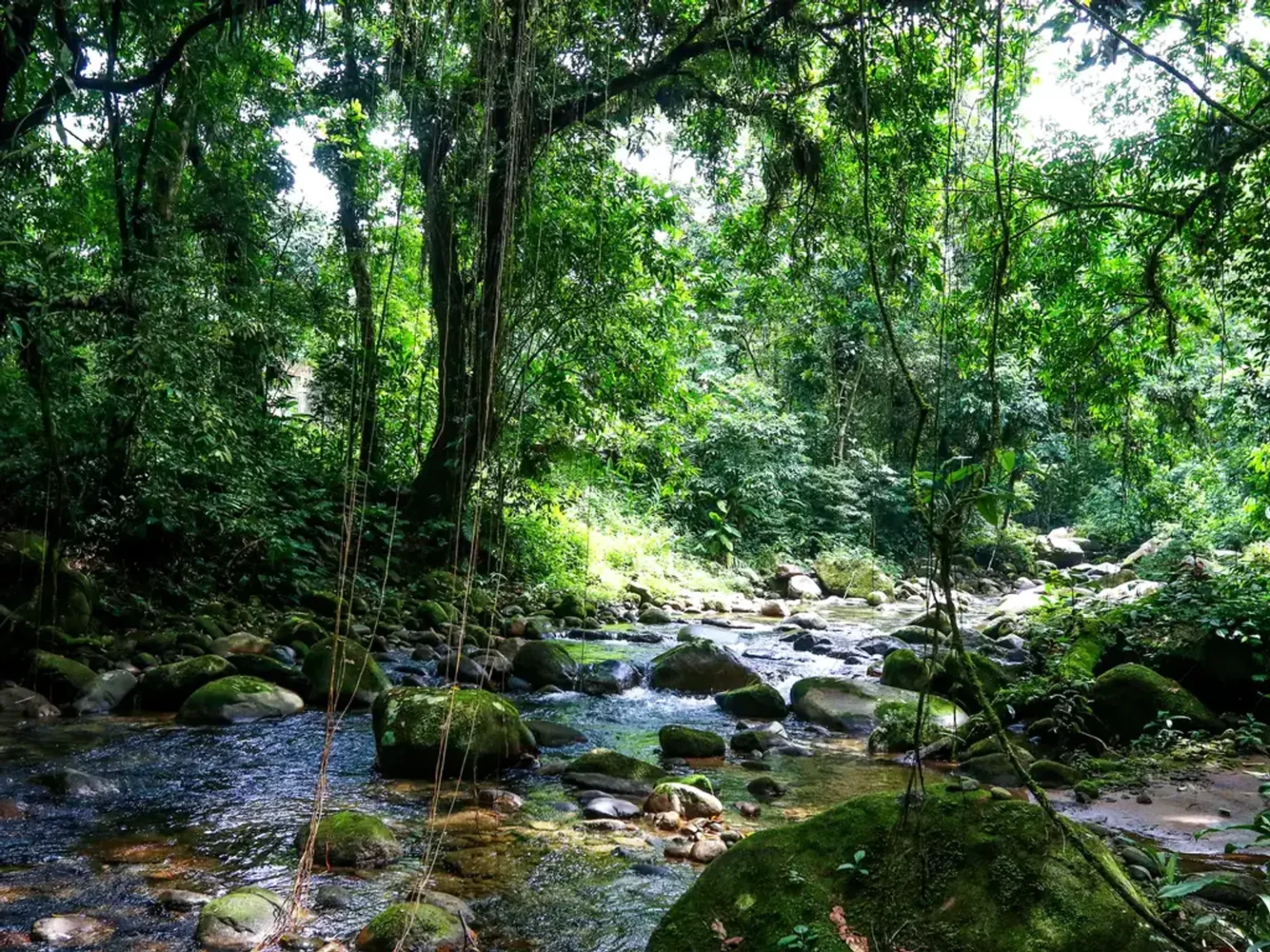
The most efficient method is to plan in 7 stages, locking in big costs first and keeping flexible what can vary.
1) Define your “ceiling” and your safety margin
- Ceiling (total budget): the maximum amount you can spend.
- Margin: 10% to 15% for unexpected issues (rain, plan changes, ride-hailing apps, extra fees).
2) Choose your date window (not the destination first)
Practical rule to spend less:
- Avoid New Year’s, Carnival, long weekends, and July (high demand).
- Prefer low season and midweek for long transfers.
3) Decide the main transportation model
- Plane: great when purchased in advance and with smart dates.
- Bus: usually cheaper and more predictable, especially for short or medium routes.
- Car: works when you’ll split costs and drive a well-designed route.
4) Close “good enough” accommodation (not perfect)
On a budget trip, “perfect” is usually expensive.
Look for what delivers:
- Functional location
- Safety
- Consistent reviews
- Free cancellation (when possible)
5) Build the itinerary by zones (to reduce transportation)
In big cities, the most expensive mistake is crossing the city every day.
Group attractions by regions or neighborhoods.
6) Lock in 2–3 paid experiences and fill the rest with free attractions
This keeps quality without blowing the budget.
7) Make a “real budget” in a table
No magic spreadsheet: line by line. (Below is a model.)
Simple budget worksheet
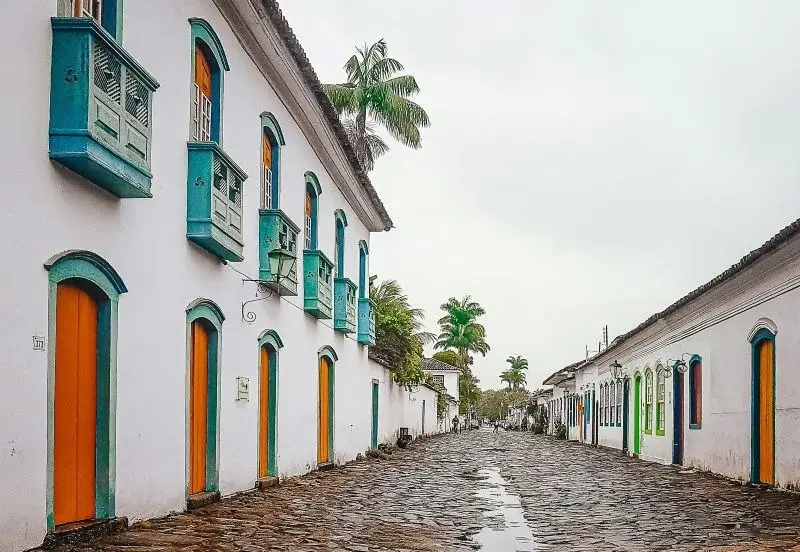
Your budget needs to separate fixed (locked) and variable (controllable) costs.
Table: budget by category
| Category | Type | Estimated value | Actual value | Notes |
| Tickets (air/bus) | Fixed | Buying on weekdays helps | ||
| Accommodation | Fixed | Neighborhood and cancellation policy | ||
| Insurance / health | Fixed | Trips with trails or beaches benefit | ||
| Food | Variable | Daily target | ||
| Local transportation | Variable | Transit card, subway, buses | ||
| Tours / attractions | Variable | Separate paid vs. free | ||
| Extras | Variable | 10–15% margin |
Where to save the most in Brazil (without “cheapening” the trip)
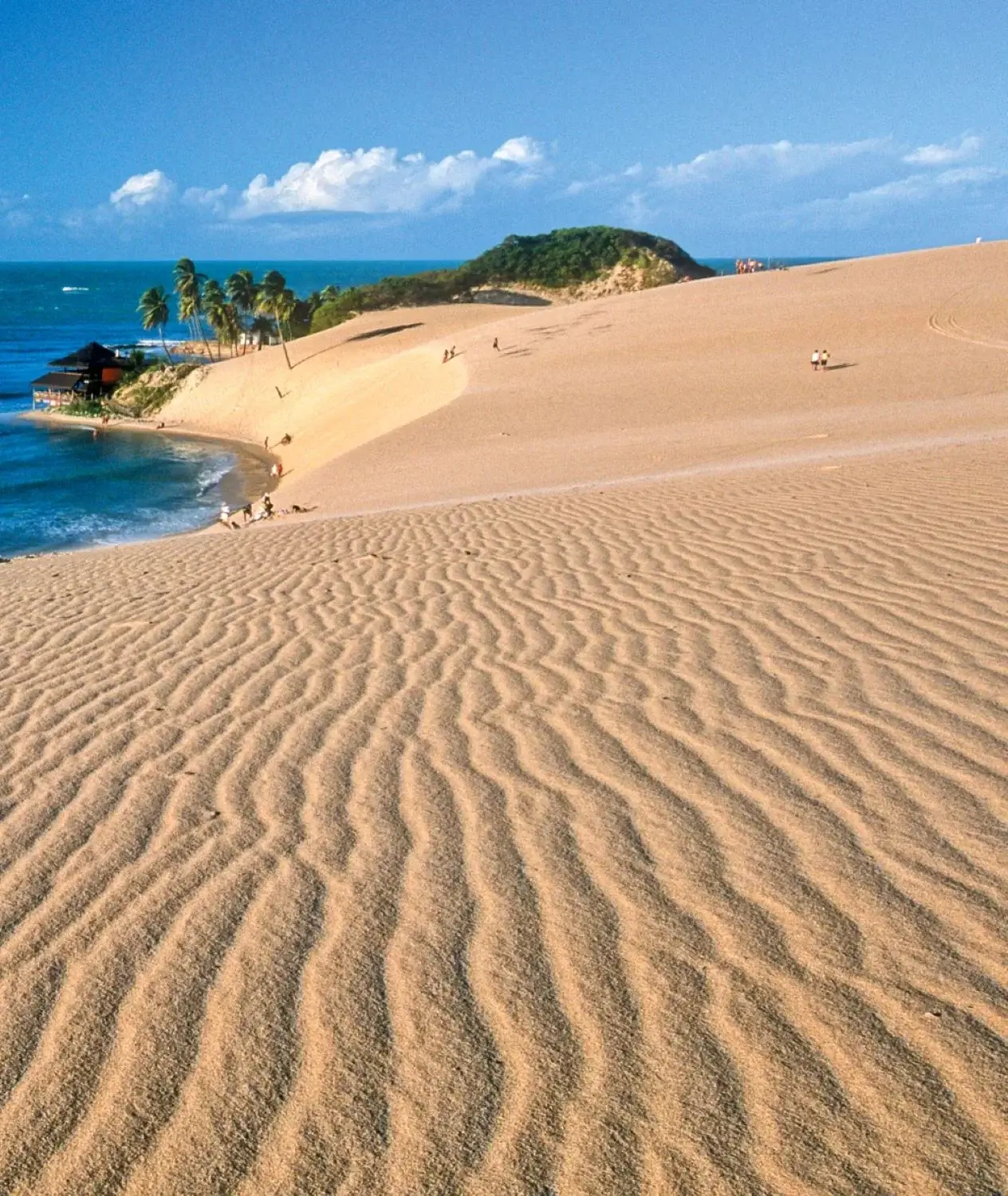
The biggest savings come from structural decisions: well-located accommodation, zone-based itineraries, and smart food planning.
Accommodation: the trick is the “right neighborhood,” not a “cheap hotel”
Often, a cheap place far away becomes expensive because you pay for:
- More transportation
- More lost time
- More ride-hailing due to fatigue
- More meals out due to lack of structure
Industry reports show average daily rates around R$ 390 in Brazil in 2023, reinforcing how strategy and timing matter to stay below that.
Food: your budget feels “eating out”
Inflation data shows that eating away from home directly impacts daily travel costs.
Practical strategy (without suffering):
- 1 good meal per day + 1 simple meal
- A strong breakfast (when included)
- Water and snacks from supermarkets
- Avoid tourist traps near famous attractions
Plane, bus, or car? Comparison to spend less
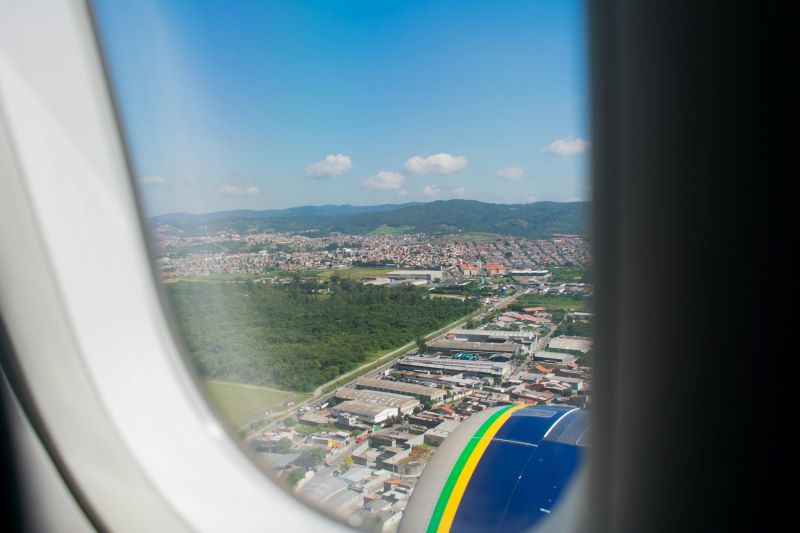
For long distances, flying can win; for medium or short distances, buses are usually the cost king; a car only pays off with a lean route and shared costs.
Table: quick comparison
| Mode | Best when | Where it goes wrong | Money-saving tip |
| Plane | Long distances, advance purchase | Bad dates and extra baggage | Be flexible with day/time |
| Bus | Short/medium routes, tight budget | Very long trips get tiring | Overnight saves one hotel night |
| Car | Group or couple, road trip | Tolls + fuel + parking | Choose one base and do day trips |
Official data indicates a real decrease in average domestic airfare between 2022 and 2025, with 2025 averages around R$ 642, but your price will still depend on route and dates.
Destinations and travel styles that work well on a budget

Budget trips in Brazil work best when you choose destinations with free attractions, good mobility, and competitive lodging.
1) Capitals with many free attractions
- Parks, cultural centers, viewpoints, urban beaches
- Museums with free days (varies by city)
2) Nature destinations with low-cost trails
- Waterfalls, trails, beaches, and viewpoints
- Spending shifts mainly to transport and food
3) “One base + day trips” itineraries
You save a lot when you:
- Sleep in the same place
- Take nearby trips
- Avoid changing accommodation
Ready-made budget itinerary: 7 days

A good budget itinerary reduces hotel changes, organizes neighborhoods, and defines 2–3 main expense items.
Model (apply to your destination):
- Day 1: arrival + orientation walk + supermarket
- Day 2: free attractions by area + 1 paid experience at night
- Day 3: trail, beach, or park + simple lunch
- Day 4: museum or cultural center + foodie neighborhood (without expensive tours)
- Day 5: short day trip (bus or well-rated budget excursion)
- Day 6: free day with an options list (based on weather)
- Day 7: light morning + return
Golden rule: every day needs Plan A and Plan B.
How to save on tickets, tours, and experiences
Choose experiences with higher value per hour and combine them with free attractions.
Decision checklist (before paying)
- Is this unique to the destination?
- Can I do something similar for free?
- How long does it last?
- Are there lines or reservations required?
- Is there a cheaper day or time?
A strategy that almost always works
- 70% walkable, free attractions
- 30% paid experiences (well chosen)
Safety and scams: saving money also means avoiding losses
Cheap becomes expensive when travelers fall for scams, lose items, or choose the wrong lodging area.
Simple and effective measures:
- Stay in areas with good mobility and foot traffic
- Avoid showing phones or cameras in crowded places
- Prefer digital payments and keep backups
- Use official apps and confirm prices in advance
Final checklist: Brazil on a budget
With this checklist, you lock major costs and protect your daily budget:
- Dates outside peak season
- Main transportation defined
- Well-located, well-reviewed accommodation
- Zone-based itinerary
- Daily spending target with margin
- Supermarket, water, and snacks planned
- 2–3 paid experiences selected
- Plan B for rain
- Emergency reserve (10–15%)
Conclusion: traveling Brazil on a budget is planning, not luck

Planning Brazil on a budget means choosing intelligently where money truly matters and where it quietly leaks away.
If you want to build a budget-friendly route with safe choices, follow Brasil ATM and use our guides as your decision map. The difference between traveling cheap and traveling well is method — and that’s what we deliver.
Where to withdraw cash at ATM24h machines in Brazil
To make the most of your trip around Brazil, carry some cash. It ensures a smoother and more enjoyable experience. In some locations, cash is essential for food, transportation, attraction entrances, and more.
See the table below with some ATM24h locations in the regions mentioned in this article:
| Where | Location |
| Guarulhos Airport – São Paulo | See all locations |
| Congonhas Airport – São Paulo | See all locations |
| Curitiba Airport | See all locations |
| Brasília Airport | See all locations |
| Florianópolis Airport | See all locations |
Get to know Brasil ATM
At Brasil ATM, we see Brazil as a country full of unique beauty and a fascinating culture. Our portal, supported by the global ATM24h brand, reflects our passion for Brazil. We aim to inspire tourists to explore its wonders safely and with confidence.
We provide accurate, up-to-date, and inspiring information in three languages, so you can plan your trip with confidence. We offer complete resources for travelers, including travel guides, detailed itineraries, and planning tips.
Our goal is to help create lasting memories. We showcase Brazil’s natural and cultural highlights, from famous destinations like Rio de Janeiro and São Paulo to hidden gems such as Lençóis Maranhenses and Fernando de Noronha. We are here to help you make the most of your journey.

Read more about Brazil:
- Best Restaurants in Brazil – Gastronomic Experiences You Can’t Miss
- Best hostels in Brazil: 9 you can’t miss
- Best resorts in Brazil – 12 must-see options for mistake-free vacations
- 5-Star Hotels in Brazil – The Best and How to Choose Without Mistakes
Frequently Asked Questions
Start by defining your total spending ceiling and a 10% to 15% safety margin. Then choose your travel dates before picking the destination and build a zone-based itinerary to reduce transportation costs. This cuts the “invisible costs” that drain your budget. Want a step-by-step plan tailored to your travel profile? Follow Brasil ATM.
As a general reference, you can plan on R$ 150 to R$ 350 per day per person, depending on your travel style and destination, plus major transportation costs (plane, bus, or car). Traveling as a couple usually lowers accommodation costs by sharing a room. To adapt this estimate to your specific route and city, follow Brasil ATM.
The biggest savings come from structural decisions: choosing a well-located neighborhood, organizing the itinerary by zones, and using a smart food strategy (one good meal plus one simple meal, supermarket water and snacks). This preserves experiences while reducing waste. Want help choosing neighborhoods and strategies that work in real life? Follow Brasil ATM.
For long distances, flying can pay off with advance booking and flexible dates. For short or medium routes, buses usually offer the best value. Renting a car only makes sense with a tight route and shared costs. The key is aligning transportation mode, distance, and logistics. To compare options by destination and build a realistic budget plan, follow Brasil ATM.