


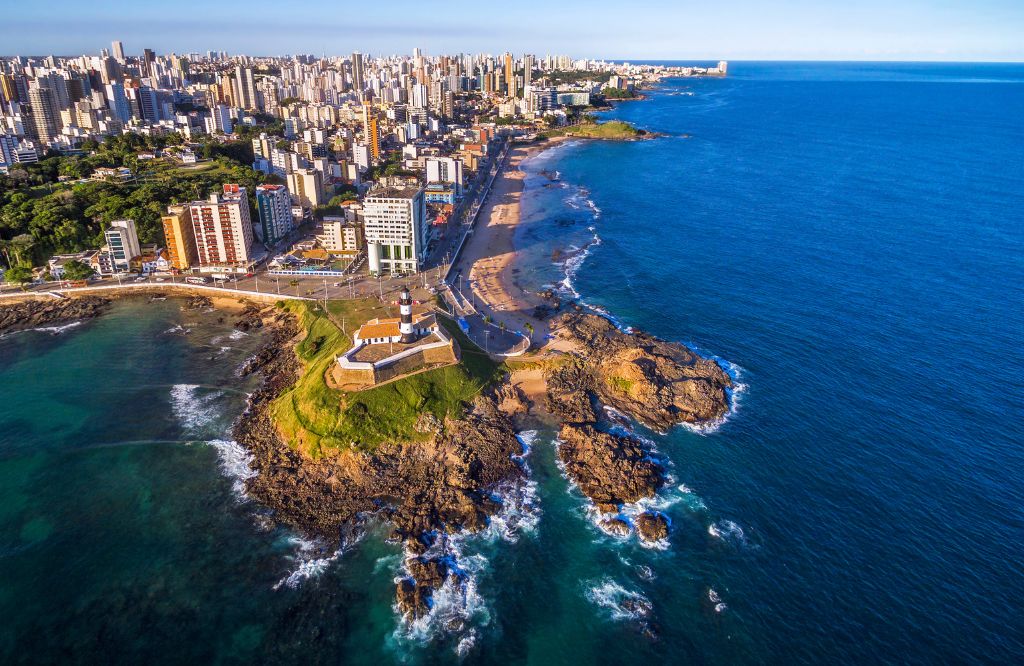
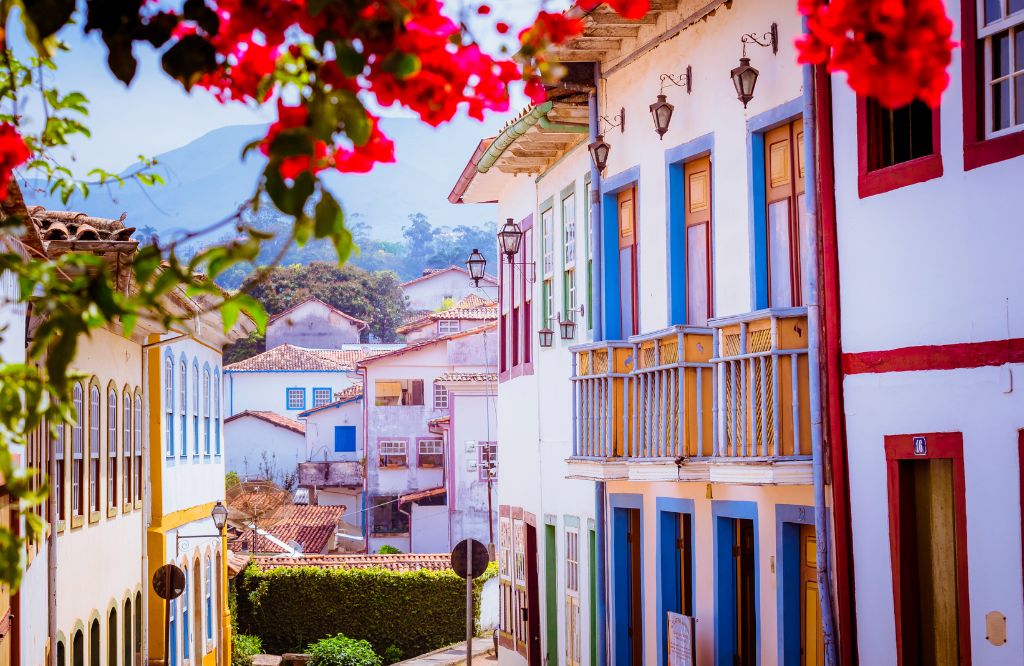
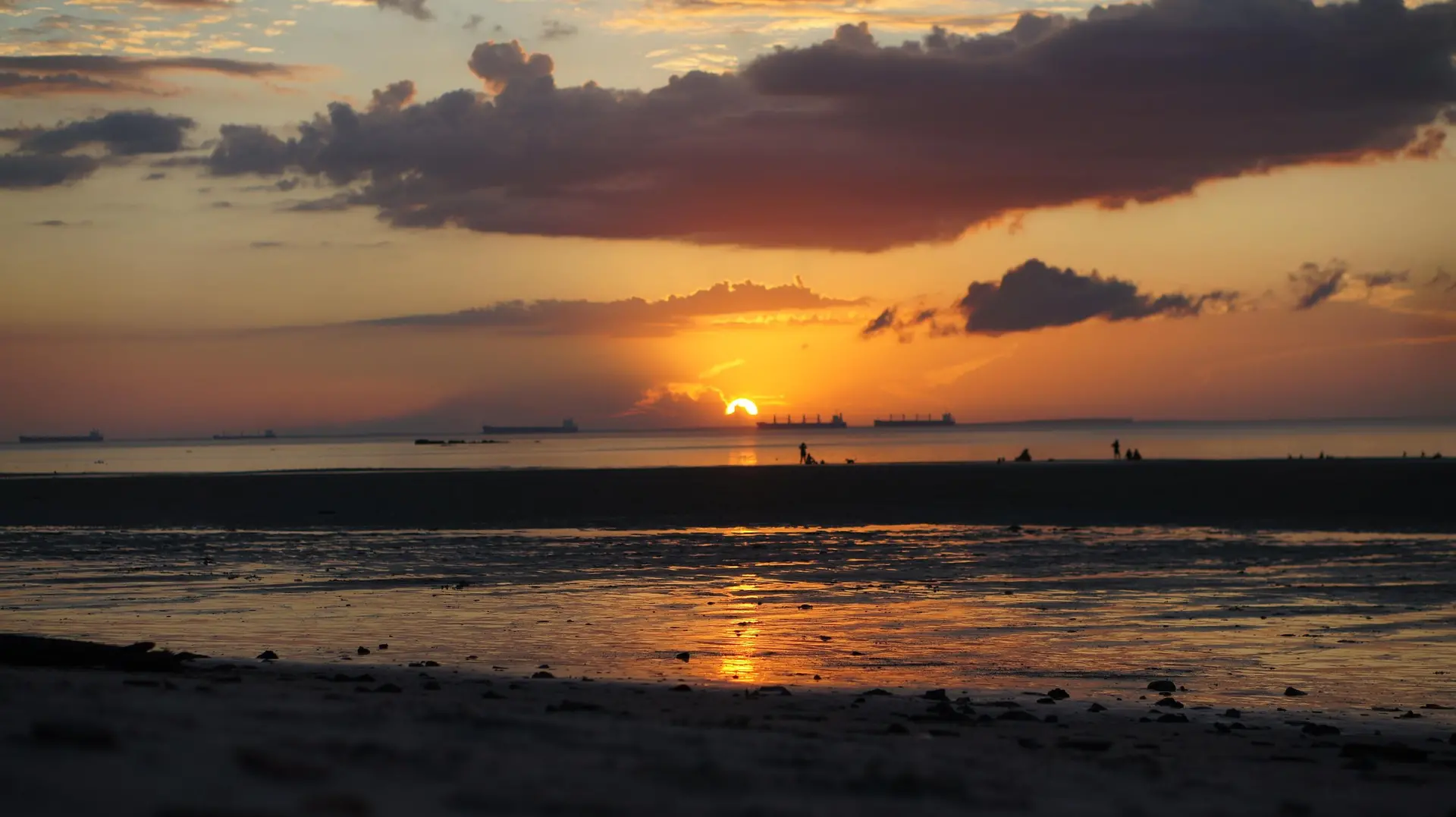
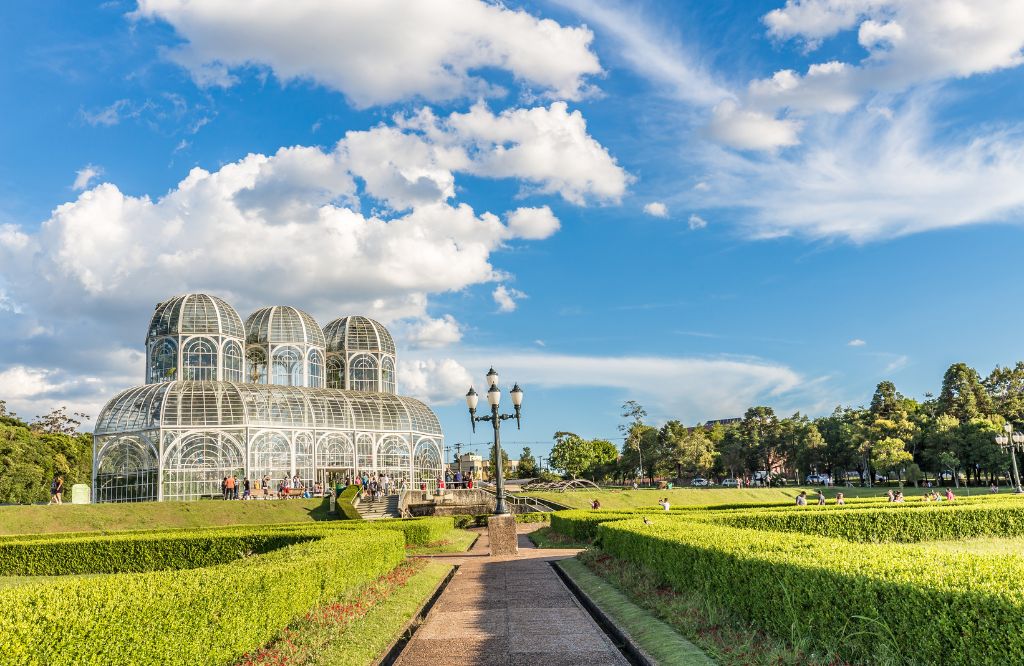




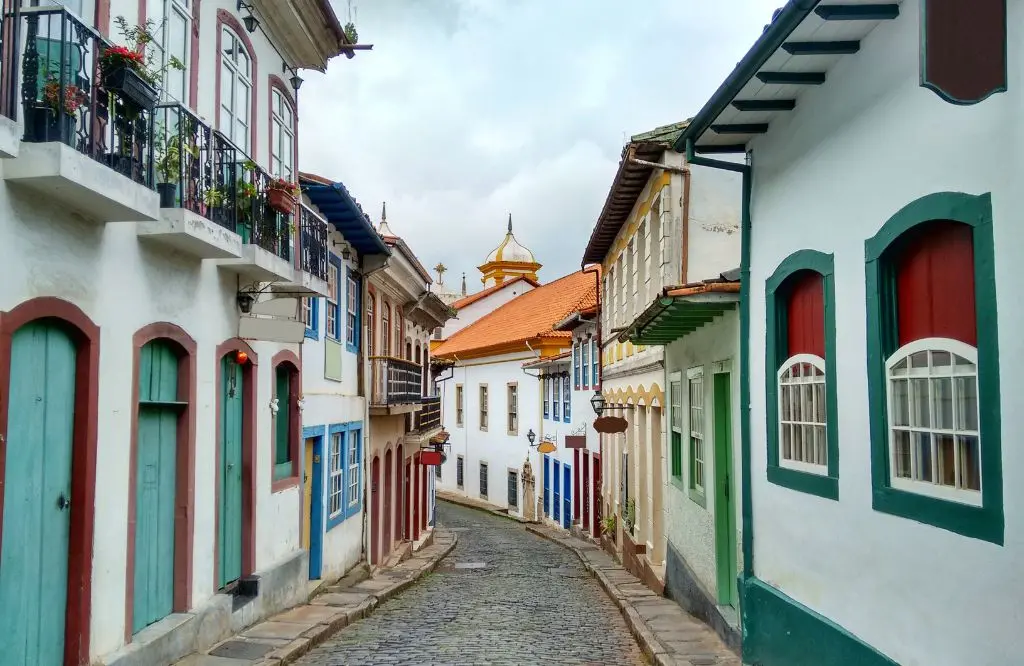
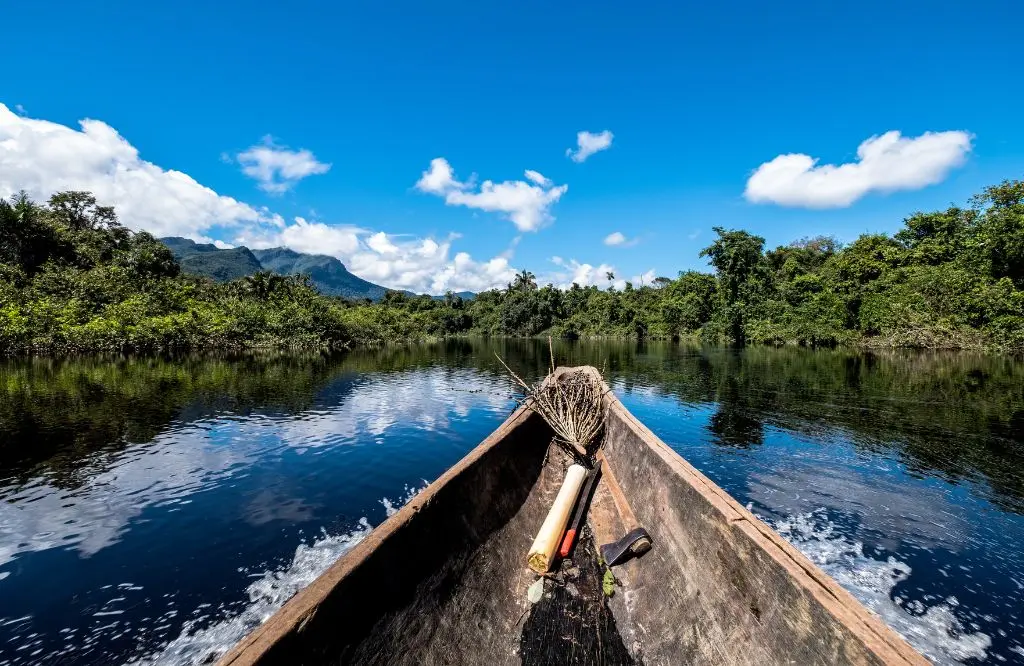



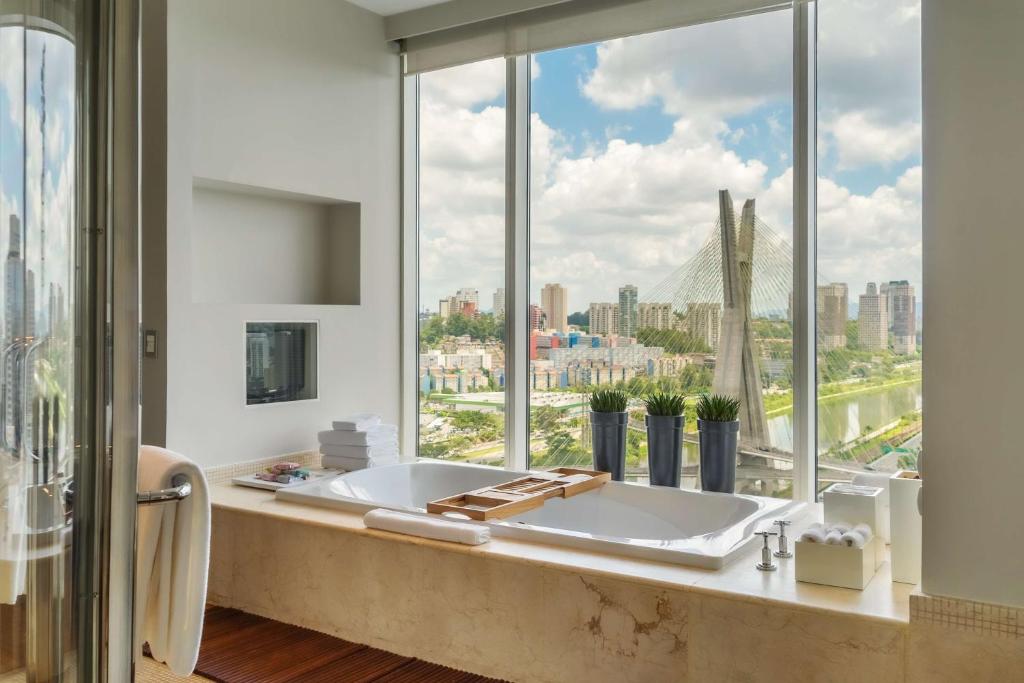
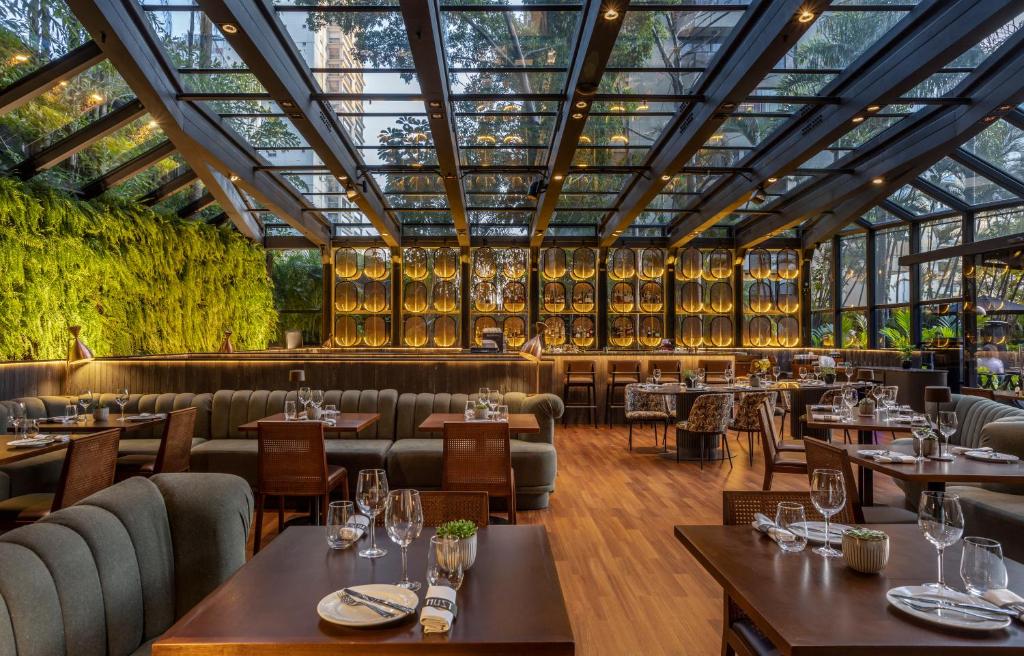
The state of São Paulo is full of charm, with destinations that appeal to all types of travelers. From the vibrant metropolis to impressive natural landscapes, tourism in the state of São Paulo offers a wide range of unforgettable experiences. Let’s explore some of the main destinations you can’t miss.
< Back
Home » Destinations » São Paulo
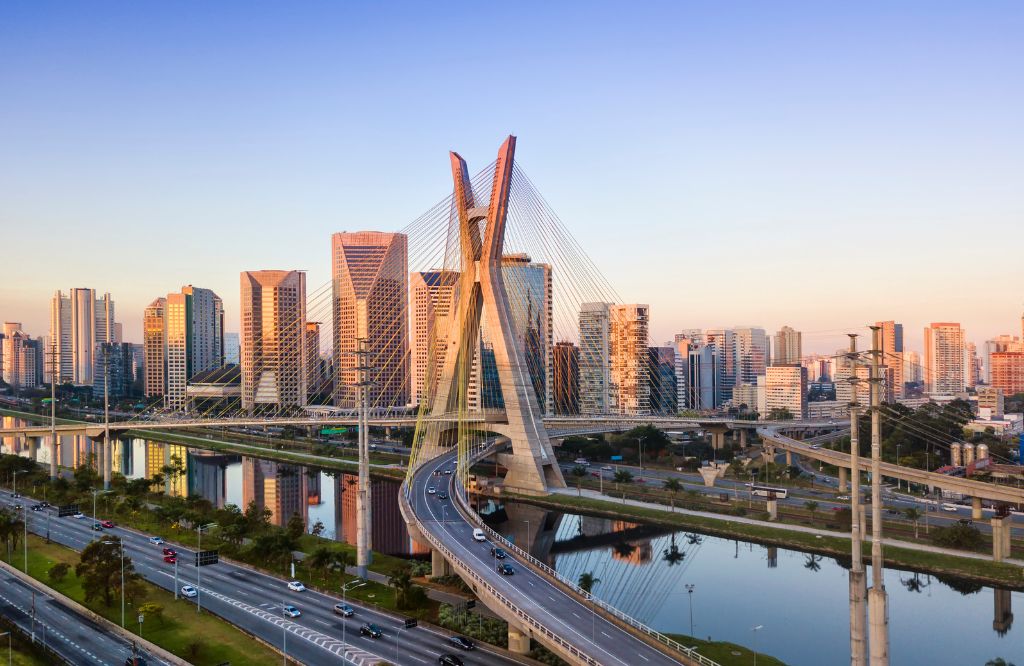
Tourism in the state of São Paulo offers a vibrant combination of culture, nature, and tradition. From the cosmopolitan capital to historic villages, the state provides experiences for all tastes. Museums, theaters, markets, and a diverse gastronomy make the city of São Paulo a dynamic cultural hub, while regions such as Campinas, Ribeirão Preto, and São José dos Campos also stand out with their own cultural and urban attractions.
For those seeking nature and adventure, both the countryside and the coastline of São Paulo offer pleasant surprises. The Serra da Mantiqueira invites visitors to ecotourism with hiking trails and mild temperatures, while the North Coast features preserved beaches, waterfalls, and Atlantic Forest landscapes. State parks such as PETAR, Intervales, and Serra do Mar State Park are ideal for travelers looking to connect with biodiversity.
Traditions also play a key role across the state. Events such as the Barretos Cowboy Festival, the Festa da Achiropita, and regional celebrations held in inland cities highlight São Paulo’s cultural diversity. The local cuisine reflects this plurality as well, ranging from São Paulo–style pizza to the classic virado à paulista.
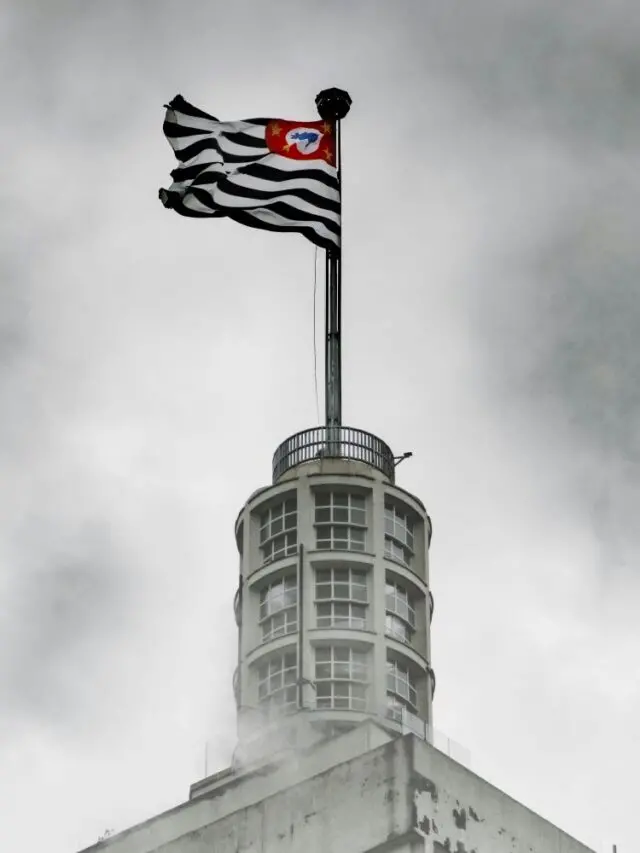
Cultural traditions that keep the soul of the state of São Paulo alive
The state of São Paulo carries a rich and diverse cultural heritage, shaped by the mixture of peoples who helped form its identity—such as Italians, Japanese, Portuguese, Northeastern Brazilians, and Arabs. This diversity is reflected in traditional festivals, gastronomy, and popular cultural expressions throughout the state.
Events such as the Barretos Cowboy Festival, the Festa da Achiropita in the Bixiga neighborhood, and the congadas celebrated in inland towns reveal São Paulo’s pride in preserving its roots. The Virada Cultural in the city of São Paulo highlights the strength of art and inclusion through accessible cultural experiences.
These traditions turn tourism in the state of São Paulo into a true journey through the Brazilian soul, where each city, celebration, and traditional dish tells part of the story of this plural and vibrant state.
News about São Paulo
Check more posts >Useful information about the state of São Paulo
Area: approximately 248,219 km²
Population: around 44,411,238 inhabitants (2022 census)
Time zone: GMT –3 (Brasília Time)
Climate: Humid subtropical – average temperatures between 13°C and 32°C
Telephone area codes: 11 (São Paulo Metropolitan Area), 12 (Vale do Paraíba and North Coast), 13 (Baixada Santista and South Coast), 14 (Bauru region), 15 (Sorocaba region), 16 (Ribeirão Preto region), 17 (São José do Rio Preto region), 18 (Presidente Prudente region), and 19 (Campinas region)
Voltage: 127V and 220V (varies by city)
Power outlets: Type N standard (three round pins)
Main destinations in the state of São Paulo
São Paulo (capital)
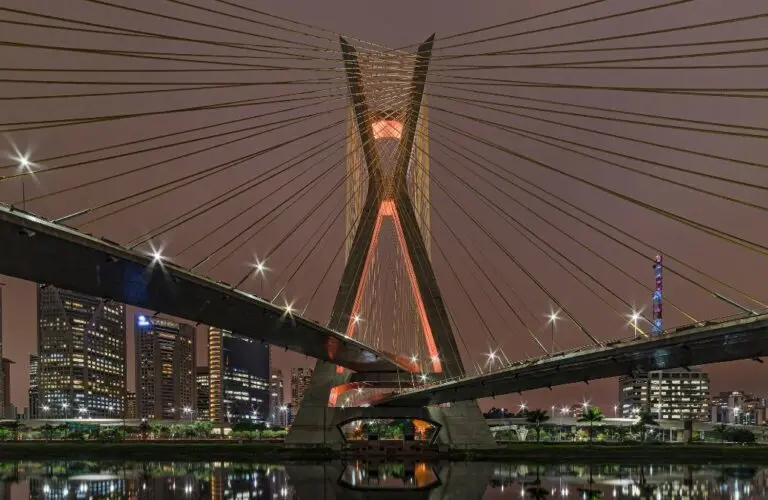
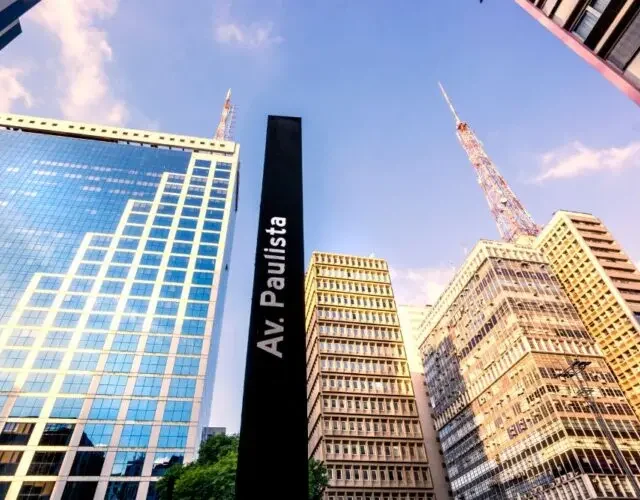
The largest city in Brazil is a true paradise for culture and gastronomy enthusiasts. With countless museums, theaters, parks, and restaurants, São Paulo offers a unique immersion into the country’s cultural diversity. The vibrant streets of neighborhoods such as Vila Madalena and Liberdade, welcoming bars, and an intense nightlife tell the story of a city that never sleeps.
The city is also a haven for art lovers. Visit the Pinacoteca do Estado, MASP, and the Instituto Tomie Ohtake to appreciate works by renowned artists. Be sure to explore the Municipal Market to taste local delicacies and Ibirapuera Park for a relaxing moment surrounded by greenery. São Paulo is a destination that brings together culture, gastronomy, and entertainment in one place.
Campos do Jordão
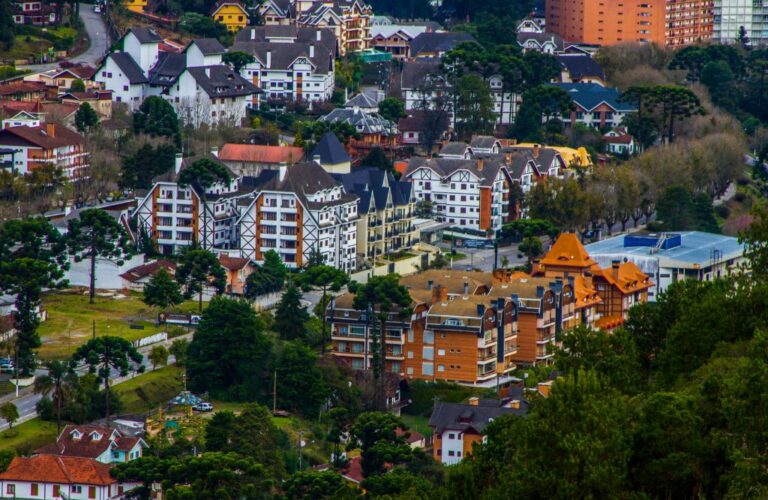
Known as the “Brazilian Switzerland,” Campos do Jordão is famous for its European-style architecture and mild climate. The city offers a unique experience with its cozy chalets, sophisticated restaurants, and beautiful natural parks. In addition, Campos do Jordão is renowned for its Winter Festival, which attracts classical music enthusiasts from all over the country.
Natural attractions such as Horto Florestal and Pico do Itapeva are must-see highlights. The region is ideal for travelers seeking a blend of romance, nature, and culture. Don’t miss the opportunity to take a cable car ride and enjoy the region’s famous fondues and hot chocolates.
Ilhabela
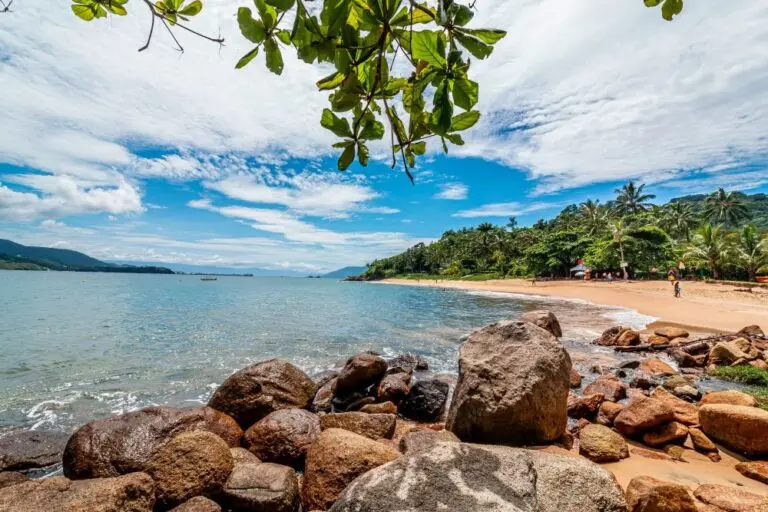
Ilhabela is one of the main tourism destinations in the state of São Paulo for beach and nature lovers. Known for its paradisiacal beaches, waterfalls, and ecological trails, the island attracts visitors seeking both relaxation and adventure. Visit Praia do Curral and take the opportunity to hike to the island’s many waterfalls.
Beyond its natural beauty, Ilhabela offers a rich history of pirates and shipwrecks, which can be explored through its museums and historic sites. The island is the perfect destination for those looking for a combination of beaches, ecotourism, and culture.
Holambra
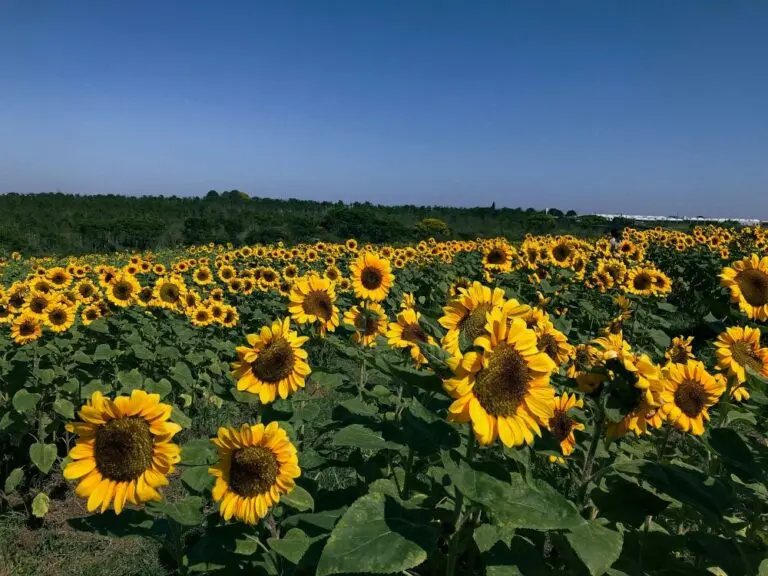
Holambra is a charming town with strong Dutch influence and an important center for flower production. The city offers a unique experience with its windmills, traditional architecture, and the famous Expoflora, the largest flower and ornamental plant exhibition in Latin America.
The region is ideal for those seeking a connection with nature and European culture on Brazilian soil. Visit Van Gogh Park, explore the flower fields, and enjoy Dutch cuisine at local restaurants. Holambra is a must-visit destination for flower and photography enthusiasts.
What to do in the state of São Paulo
Explore museums and cultural centers in the capital
Relax on the beaches of São Paulo’s North Coast
Venture into trails and parks with preserved nature
Discover historic towns such as São Luiz do Paraitinga
Take part in popular festivals and cultural celebrations
Explore the essence of São Paulo
Tourism in the state of São Paulo is an engaging combination of urban culture, lush nature, and regional traditions. From the hustle and bustle of the capital to the peaceful retreats of the countryside and coastline, the state offers experiences for every travel style. Below are some of the main activities to include in your itinerary.
Nature experiences
- Cantareira State Park (São Paulo): Pedra Grande Trail with panoramic views of the capital, as well as historic areas within the Atlantic Forest.
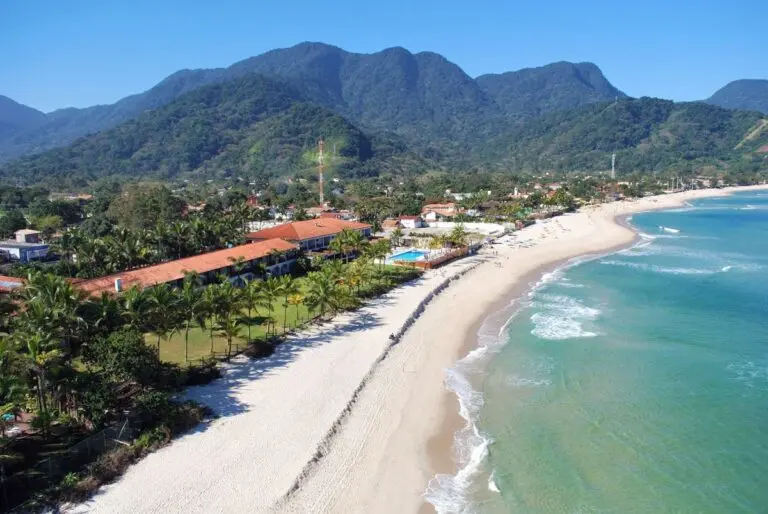
- Maresias and Itamambuca Beaches (North Coast): Ideal settings for surfing, relaxation, and contact with preserved nature.
- Serra da Mantiqueira (Campos do Jordão and São Bento do Sapucaí): Hiking trails, mild climate, waterfalls, and viewpoints surrounded by mountains.
- PETAR – Alto Ribeira Tourist State Park: Caves, caverns, and impressive biodiversity in the southern part of the state.
- Serra do Mar State Park: Trails and waterfalls connecting the Atlantic Forest to the coastline, with ocean views.
Cultural experiences
- MASP and Pinacoteca (São Paulo): Iconic museums featuring collections of Brazilian and international art in emblematic architectural spaces.
- Historic Center of São Luiz do Paraitinga: Carnival of marchinhas, São Paulo folklore, and preserved colonial architecture in a city listed as a historic heritage site.
- Aparecida: The main religious tourism destination in Brazil, home to the National Shrine that attracts millions of pilgrims every year.
- São José dos Campos: A technological and aerospace hub with science centers and interactive museums, such as the Brazilian Aerospace Memorial (MAB).
- Barretos Cowboy Festival: A country tradition at one of the largest rodeos in the world, featuring concerts, rodeo events, and inland culture.
Gastronomy in the state of São Paulo
São Paulo’s cuisine is one of the most diverse in Brazil, reflecting the influence of the many cultures that settled in the state. With Italian, Japanese, Arab, and Northeastern Brazilian influences, gastronomy in São Paulo offers a unique experience for visitors.
In the context of tourism in the state of São Paulo, tasting traditional dishes is a must-do activity that provides a true immersion in local culture.
- Virado à paulista: A traditional dish made with beans, fried banana, pork cracklings, sausage, and a fried egg.
- Coxinha: A teardrop-shaped savory snack filled with shredded chicken and catupiry cheese.
- Pizza: São Paulo is famous for its pizzerias, offering an incredible variety of flavors.
- Mortadella sandwich: An icon of São Paulo’s Municipal Market, featuring generous layers of thinly sliced mortadella.
- Pastel de feira: A fried pastry usually sold at street markets, with a wide range of fillings.

Tips to enjoy São Paulo’s gastronomy
- Traditional restaurants: Visit restaurants specializing in São Paulo cuisine in the capital and inland cities.
- Fairs and markets: Explore São Paulo’s Municipal Market and street markets to taste local delicacies.
- Bars and botequins: Try traditional “bar food” at classic neighborhood bars.
- Food events: Take part in festivals such as São Paulo Restaurant Week to experience fine dining at more affordable prices.
How to get to São Paulo
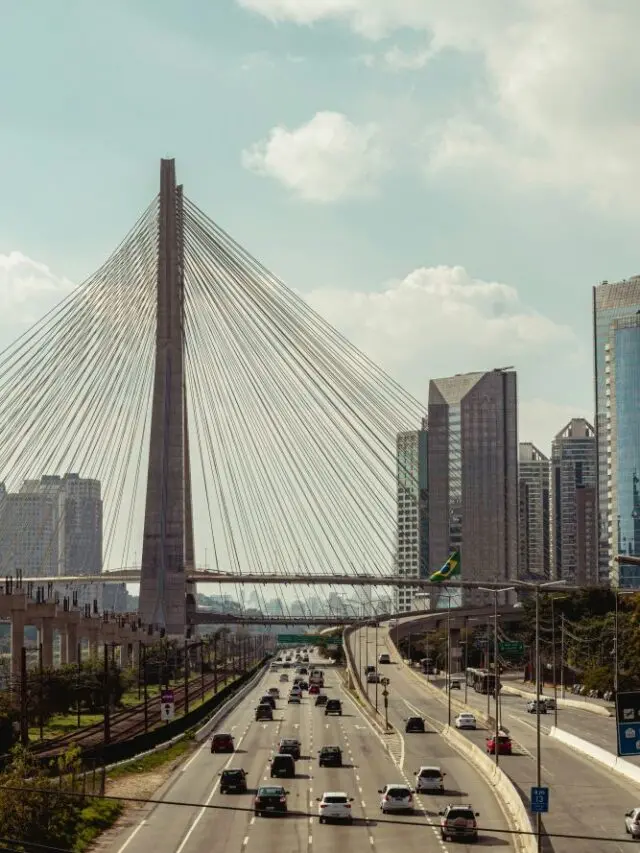
Tourism in the state of São Paulo begins with a well-planned arrival. There are several ways to reach the state, depending on where you are coming from.
By plane
- Guarulhos International Airport (GRU): The largest airport in Brazil, with domestic and international flights.
- Congonhas Airport (CGH): Located in the capital, ideal for domestic flights.
- Viracopos International Airport (VCP): Located in Campinas, also serving domestic and international flights.
By car
- Bandeirantes Highway (SP-348): Connects São Paulo to Campinas and continues toward the Limeira and Ribeirão Preto regions.
- Anhanguera Highway (SP-330): Runs parallel to the Bandeirantes, linking the capital to inland cities such as Jundiaí, Campinas, and Franca.
- Presidente Dutra Highway (BR-116): Connects São Paulo to Rio de Janeiro, passing through the Vale do Paraíba.
- Imigrantes Highway (SP-160): The main access route between São Paulo and the southern coast.
How to get around in the state of São Paulo
After arriving, it is important to understand how to get around in order to explore all the attractions that tourism in the state of São Paulo has to offer.
- Car rental:
- Book your car in advance to secure better rates.
- Check road conditions and plan your route carefully.
- Always have a GPS or an up-to-date map app.
- Public transportation:
- Use apps to check schedules and routes for buses, trains, and the subway.
- In the capital, the Bilhete Único allows integration between different transport modes at a lower cost.
- Taxis and ride-hailing apps:
- Always check the estimated fare before accepting a ride.
- Use official taxi stands in tourist areas or apps such as Uber and 99.
- Organized tours:
- Research and compare different agencies to find the best option.
- Check online reviews to ensure service quality and safety.
Best time to visit the state of São Paulo
- Summer (December to March): If you want to enjoy the beaches along São Paulo’s coastline and outdoor events, summer is the best time. Temperatures are high, making it ideal for coastal activities.
- Winter (June to August): For those who prefer milder temperatures and want to enjoy cultural festivals, winter is ideal. It is the best time to visit Campos do Jordão and attend the Winter Festival.
- Autumn and Spring (March to June and September to December): These seasons are perfect for travelers seeking balanced weather and fewer crowds. Temperatures are pleasant, and accommodation rates tend to be more affordable.
Emergency Services and Tourist Support
The state of São Paulo has a broad support infrastructure for tourists, especially in its main destinations such as the capital, the coast, and inland regions. Cities like São Paulo, Campinas, Santos, São José dos Campos, and Ribeirão Preto offer easy access to public and private hospitals, emergency services, specialized police stations, and visitor information centers.
To ensure peace of mind during your trip, it is advisable to keep local emergency contacts readily available and to check for tourist support centers in high-traffic areas such as bus terminals, airports, historic centers, and major tourist zones.
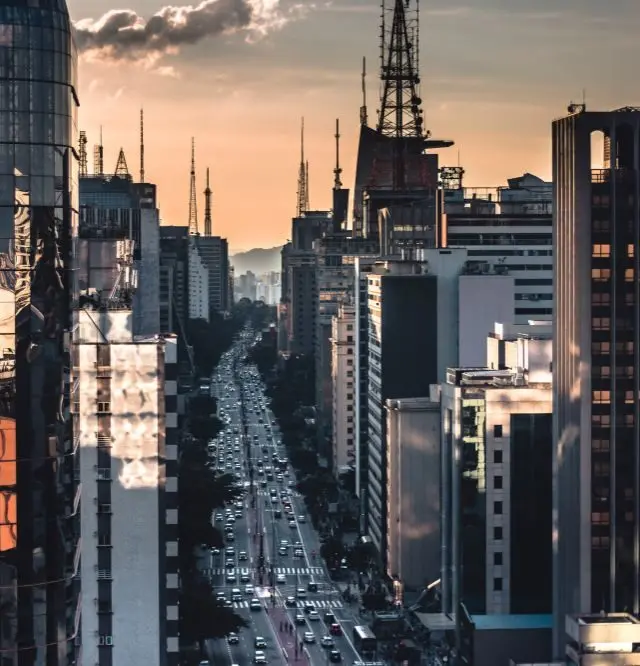
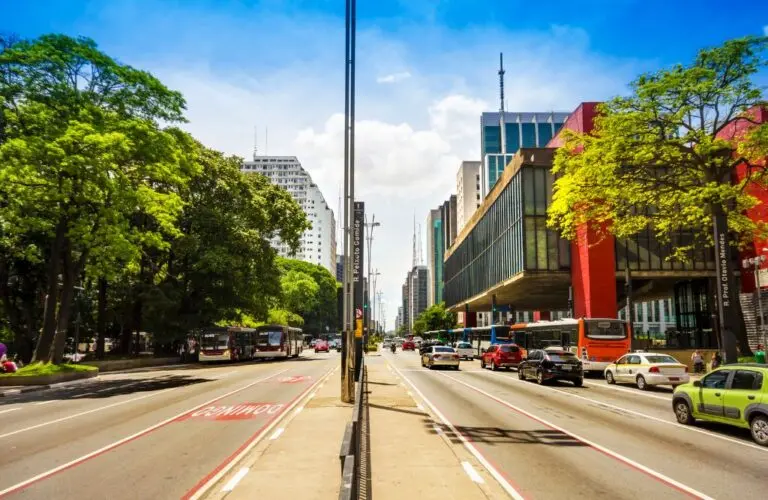
In addition, municipal and state initiatives focused on visitor assistance are present in strategic locations, including Guarulhos International Airport, Avenida Paulista, the historic center of Santos, the Basilica of Aparecida, and highly visited state parks.
General Emergencies
- Military Police (emergency) – 190
- SAMU (Mobile Emergency Care Service) – 192
- Fire Department – 193
- Civil Defense (environmental emergencies) – 199
- Public Safety Hotline – 181
Tourist Safety and Support
- Civil Police (Information and incidents) – 147
- Federal Highway Police (PRF) – 191
Health and Medical Care
- SAMU – Medical Emergency – 192
More tips about the state of São Paulo
To make the most of your trip to the state of São Paulo, a few practical tips can make all the difference. Below are Brasil ATM’s recommendations to enhance your tourism experience in the state of São Paulo:
Withdraw cash with Brasil ATM
Although many establishments accept cards, it is always a good idea to carry some cash for small purchases and visits to more remote areas. ATM24h offers cash machines in several cities across São Paulo state, making withdrawals convenient wherever you are.
Check the installed locations here.
Sunscreen and an umbrella
The sun in São Paulo can be intense, so remember to bring sunscreen. An umbrella can also be useful, as the weather in the capital can change quickly.
Stay hydrated
Keep yourself hydrated, especially if you are exploring the city on foot or during hot days. Always carry a bottle of water with you.
Try the local cuisine
São Paulo’s cuisine is rich and varied. Be sure to try traditional dishes such as virado à paulista, coxinha, and pastel de feira. Beyond being delicious, they are an important part of local culture.
Respect local culture and traditions
São Paulo is a state with a vibrant and diverse culture. Respect local customs, take part in festivals and events with an open mind, and take the opportunity to learn more about São Paulo’s history and cultural heritage.
Local transportation
In the capital, use the subway whenever possible to avoid heavy traffic. In tourist areas, walking or using shared bicycles is often a practical option.
Accommodation
Book your accommodation in advance, especially during major events such as Formula 1 or São Paulo Fashion Week. There are options for all tastes and budgets, ranging from budget hostels to luxury hotels.
With these tips, your trip to the state of São Paulo will be even more enjoyable and rewarding. Get ready to be impressed by this remarkable state.
Do I need a visa to visit the state of São Paulo?
If you are Brazilian, you do not need a visa. Foreign visitors should check Brazil’s entry requirements according to their nationality.
What is the best time to visit the state of São Paulo?
São Paulo can be visited year-round, but summer (December to March) is ideal for enjoying the beaches, while winter (June to August) is perfect for visiting Campos do Jordão and attending cultural festivals.
What are the main traditional foods in São Paulo?
Virado à paulista, coxinha, pizza, and the mortadella sandwich are some of the dishes you should try. São Paulo’s cuisine is rich in flavors and international influences.
How can I get around the state of São Paulo?
You can rent a car, use intercity buses, or book tours with local agencies. In the capital, the subway and bus systems are efficient options.
Is it safe to travel around the state of São Paulo?
As in any large destination, it is important to take basic precautions. Keep an eye on your belongings, avoid displaying valuables, and stick to busy areas, especially at night.
Where can I withdraw cash?
You can withdraw cash at Brasil ATM machines, which are available in several cities across São Paulo state. Carrying some cash is useful for small purchases and more remote areas.
What are the main tourist destinations in the state of São Paulo?
Some of the main destinations include the city of São Paulo, Campos do Jordão, Ilhabela, and Holambra. Each one offers a unique experience.

