


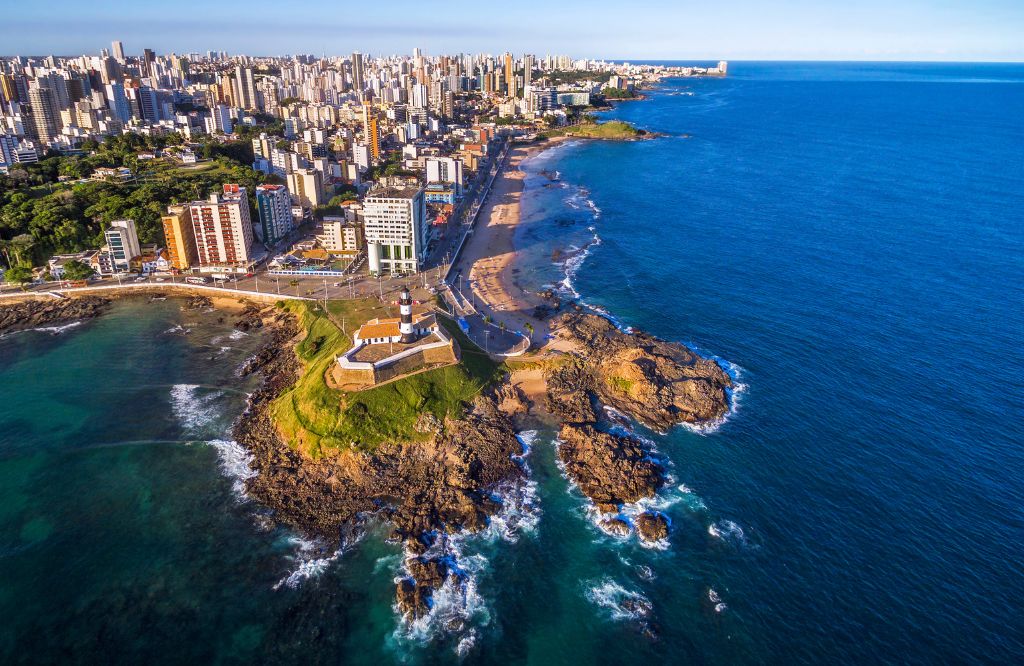
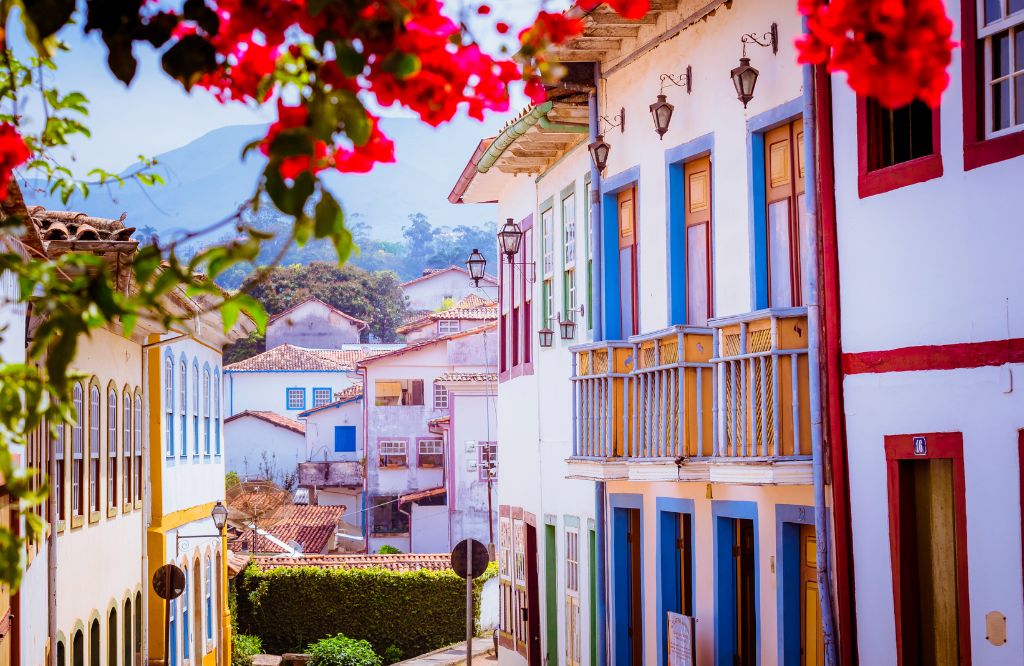




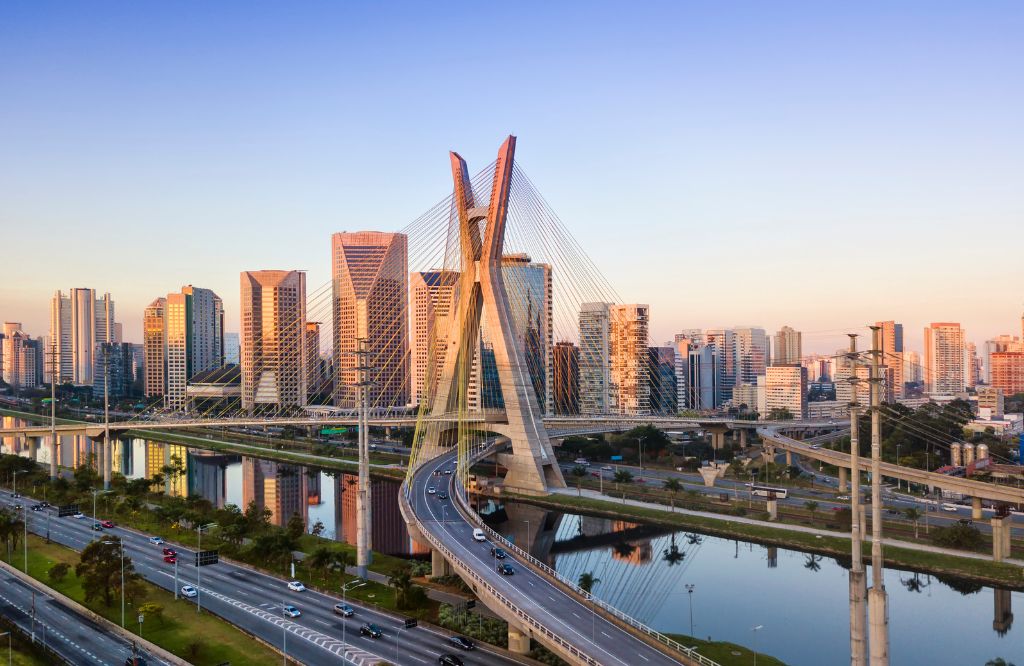





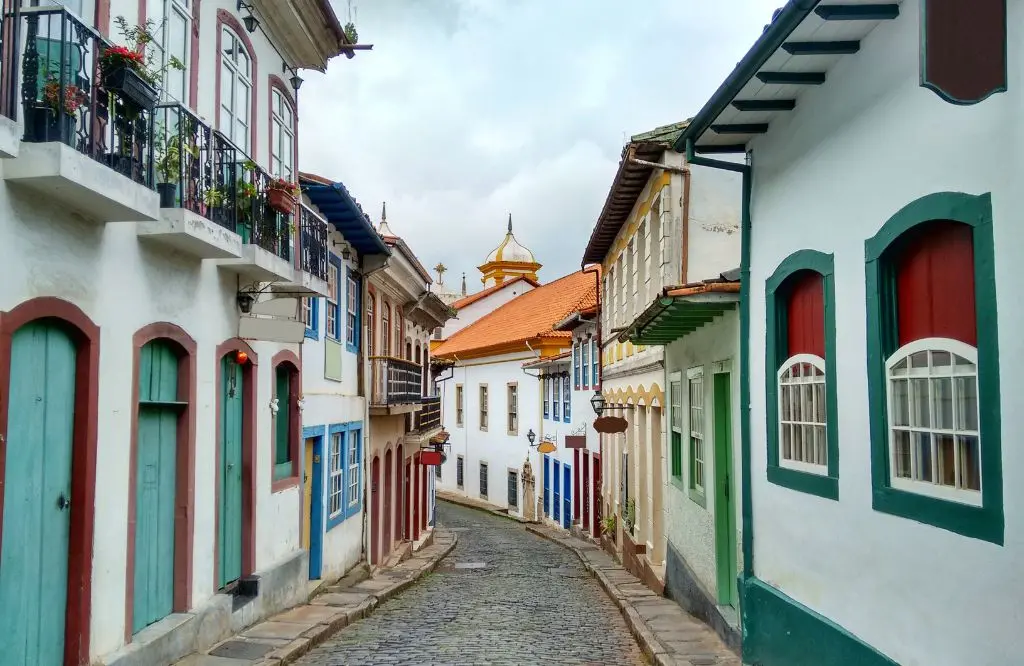








Rio de Janeiro is a state full of attractions, with destinations that appeal to all types of travelers. From paradise like beaches to historic cities, tourism in Rio de Janeiro offers a wide variety of unforgettable experiences. Let’s explore some of the main destinations you should not miss.
< Back
Home » Destinations » Rio de Janeiro

Tourism in the state of Rio de Janeiro offers a unique combination of vibrant culture, stunning natural landscapes, and memorable experiences. From paradise like coastlines to charming mountain regions, the state brings together options for all traveler profiles, from those seeking rest to those looking to connect with nature or dive into local history and traditions.
The beaches of Copacabana, Ipanema, Búzios, Paraty, Cabo Frio, and Angra dos Reis captivate visitors with their scenery and welcoming atmosphere. Parks such as Tijuca Forest and Serra dos Órgãos reveal a preserved and wild side of the state. Cultural richness is also a highlight, with celebrations like Carnival and New Year’s Eve in Copacabana, as well as traditional cuisine marked by intense flavors such as feijoada and codfish fritters.
At Brasil ATM, we bring together everything you need to explore Rio de Janeiro with confidence: up to date guides, practical tips, and reliable information to ensure your trip is safe, well organized, and unforgettable from start to finish.


Cultural traditions that keep the soul of Rio de Janeiro alive
Rio de Janeiro is a state with a vibrant cultural identity, shaped by a blend of African, Indigenous, and European influences. This diversity is revealed in popular festivals, artistic expressions, religious manifestations, and in the daily life of cariocas. The greatest symbol of this richness is Carnival, which transforms the streets into a spectacle of music, dance, and creativity, bringing together millions of people around one of the largest cultural celebrations in the world.
Other traditions also stand out, such as samba, an intangible cultural heritage of Brazil, which was born in the samba circles of Rio’s hills and today resonates throughout the entire country. Celebrations such as New Year’s Eve in Copacabana, with rituals of offerings to Iemanjá, and June festivals in the interior of the state show the strength of popular traditions.
This cultural heritage shapes the lifestyle of the people of Rio de Janeiro and strengthens the sense of belonging among both those who are born there and those who visit the state. In tourism in the state of Rio de Janeiro, each neighborhood, each festival, and each traditional dish carries a piece of the living history of this diverse and enchanting territory.
News about Rio de Janeiro
Check more posts >Useful information about Rio de Janeiro
Area: approximately 43,696 km²
Population: around 16,055,174 inhabitants (2022 census)
Time zone: GMT −3 (Brasília Time)
Climate: Tropical, with average temperatures between 18°C and 31°C
Telephone area codes: 21 (Rio de Janeiro metropolitan area), 22 (north and northwest of the state), and 24 (mountain region and Costa Verde)
Voltage: 127V and 220V (varies by city)
Power outlets: Type N standard (three round pins)
Main destinations in Rio de Janeiro
Rio de Janeiro
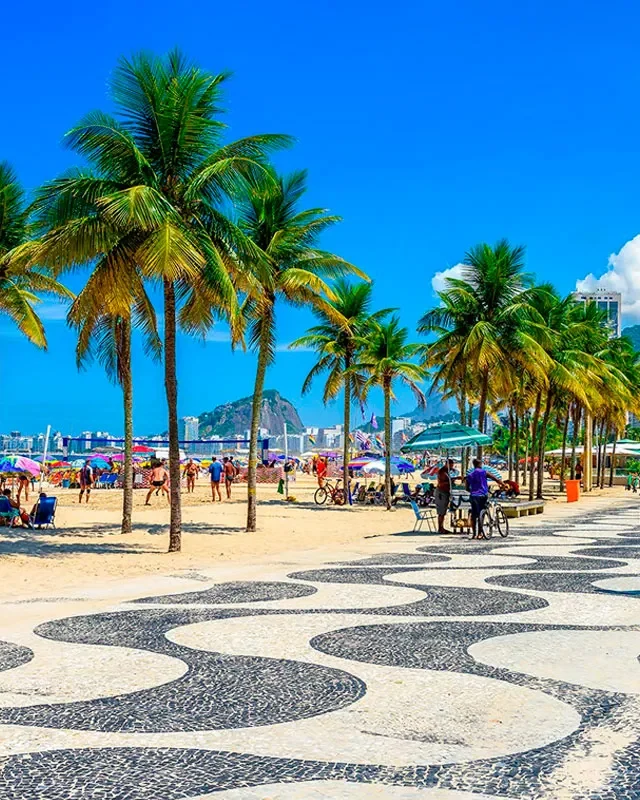
The state capital is a true cultural treasure. With its famous Sugarloaf Mountain, Christ the Redeemer, and the iconic Copacabana Beach, the city offers a unique immersion into carioca culture. The lively streets, vibrant bars, and live music tell stories of a dynamic past. In addition, Rio is famous for its popular festivals, such as Carnival, which attract visitors from all over the world.
The city is also a paradise for gastronomy lovers. Try traditional dishes such as feijoada, barbecue, and codfish fritters at the many restaurants and beach kiosks. Be sure to visit the Municipal Market to buy local handicrafts and take the Sugarloaf Cable Car for a panoramic view of Guanabara Bay. Rio de Janeiro is a destination that combines history, culture, and fun all in one place.

Paraty
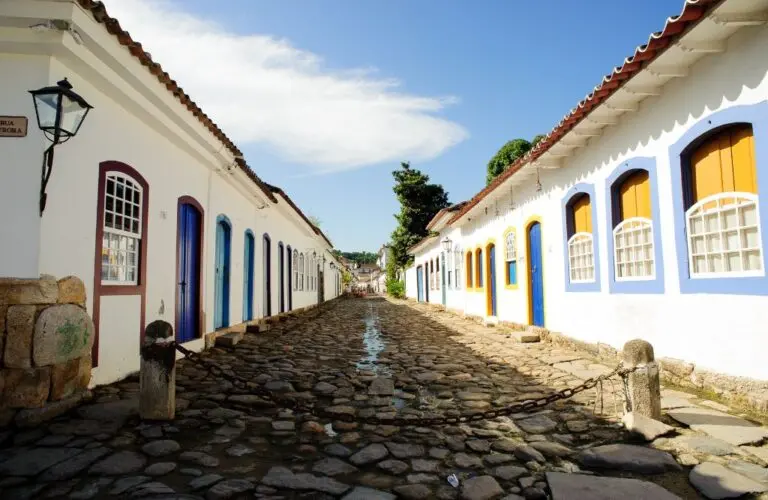
Paraty is known for its well preserved historic center and its cobblestone streets. The city offers a journey back in time with its colonial buildings and old churches. In addition, Paraty is famous for its cultural festivals, such as FLIP, the Paraty International Literary Festival, which attract visitors from all over the world.
Paraty’s beaches are another major attraction. The region is surrounded by paradise like islands, accessible by boat tours. If you enjoy diving, be sure to explore the coral reefs in the area. Paraty is ideal for those seeking a combination of culture, history, and natural beauty.
Búzios
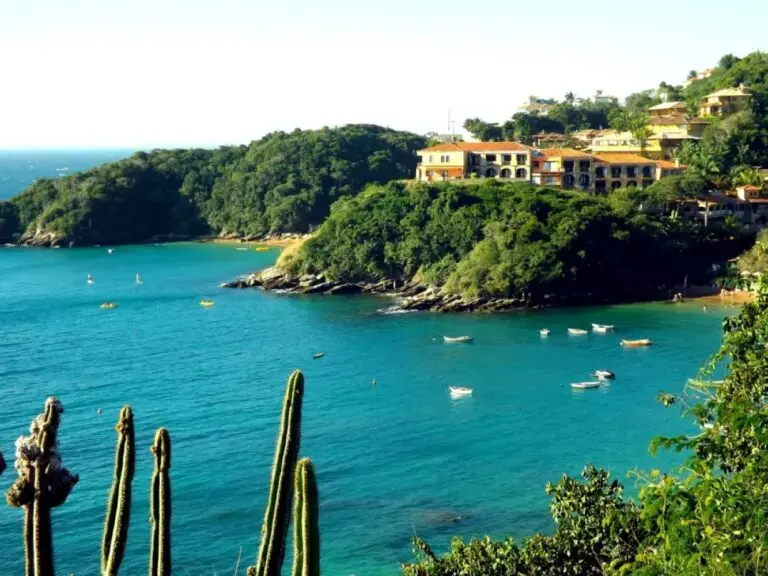
Búzios is one of the most popular destinations on the coast of Rio de Janeiro state. Known for its charming beaches and lively nightlife, the city attracts tourists seeking both fun and relaxation. Rua das Pedras is the central hub, with bars, restaurants, and shops that keep the area lively until late at night.
Búzios’ beaches are a highlight of their own. Geribá and João Fernandes are among the most famous, featuring crystal clear waters and complete infrastructure for visitors. For diving enthusiasts, Praia da Tartaruga is an excellent option. Búzios is the perfect destination for those looking for a combination of luxury, natural beauty, and entertainment.
Angra dos Reis
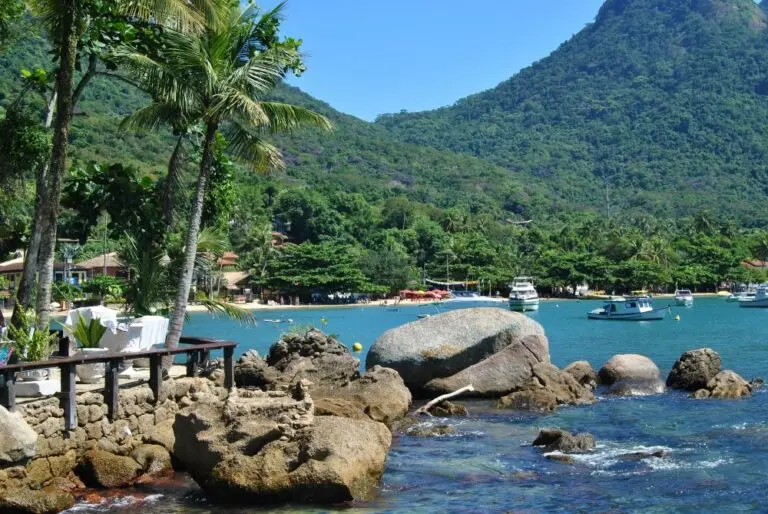
Angra dos Reis is a true paradise with its 365 islands, one for each day of the year. The region is known for its calm and crystal clear waters, ideal for water sports such as sailing, diving, and fishing. The islands offer deserted beaches and breathtaking landscapes.
Ilha Grande, the largest of them all, is a must visit destination. With trails through the Atlantic Forest, waterfalls, and paradise like beaches, it is the perfect place for those seeking contact with nature. Angra dos Reis is a destination that combines luxury and simplicity, ideal for relaxation and exploration.
What to do in Rio de Janeiro
- Explore Christ the Redeemer and Sugarloaf Mountain
- Relax on the beaches of Angra, Búzios, and Paraty
- Adventure in the Serra da Mantiqueira in Rio de Janeiro state
- Discover the historic center of Paraty
- Take part in popular festivals and cultural events
Explore the essence of Rio de Janeiro
Tourism in the state of Rio de Janeiro offers a unique combination of sea, mountains, and culture. From stunning coastlines to inland mountain regions, along with festivals and traditions that reveal the soul of Rio de Janeiro state, there are always memorable experiences to enjoy. Below are some of the main activities to include in your itinerary.

Nature tours
- Christ the Redeemer and Sugarloaf Mountain (Rio de Janeiro): Ride the train up Corcovado and the cable car to Sugarloaf Mountain for unforgettable views of the city.
- Tijuca National Park (Rio de Janeiro): Hike to Pico da Tijuca and swim at Cachoeira do Horto in the middle of the largest urban forest in the world.
- Beaches of Angra dos Reis and Ilha Grande: Relaxation and diving in crystal clear waters, with trails, waterfalls, and preserved islands.
- Mountain Region (Petrópolis, Teresópolis, Nova Friburgo): Mild climate, trails in Serra dos Órgãos, and viewpoints with spectacular views.
- Beaches of Búzios, Cabo Frio, and Arraial do Cabo: Turquoise blue sea, marine life, dunes, and excellent conditions for water sports.
Cultural tours
- Historic Center of Paraty: Stone paved streets, colonial mansions, churches, and literary events such as FLIP.
- Museum of Tomorrow and São Bento Monastery (Rio de Janeiro): Science and history in the heart of the state capital.
- Imperial Petrópolis: Dom Pedro II Palace, Imperial Museum, and São Pedro de Alcântara Cathedral.
- Nightlife in Lapa (Rio de Janeiro): Live music, samba circles, and bohemian culture amid the Arcos da Lapa and Circo Voador.
- Carnival and New Year’s Eve: Brazil’s greatest cultural spectacle and the famous New Year celebration in Copacabana, with shows and seaside traditions.

Gastronomy in the state of Rio de Janeiro
Carioca and fluminense cuisine is one of the richest and most flavorful in Brazil, as it reflects the cultural and historical diversity of the region and shows that investing in tourism in the state of Rio de Janeiro is well worth it.
With African, Indigenous, and Portuguese influences, Rio de Janeiro’s gastronomy offers a unique experience for visitors.
Within the context of tourism in the state of Rio de Janeiro, trying traditional dishes is a must do activity that provides a true immersion in local culture.
- Feijoada: A traditional dish made with black beans, pork, and side dishes such as rice, collard greens, and farofa. It is usually served on Wednesdays and Saturdays.
- Bolinho de bacalhau: A snack made with shredded codfish and potatoes, fried until crispy. Perfect to enjoy with a cold beer.
- Churrasco: Carioca barbecue is famous for the quality of its meat and special cuts such as picanha and maminha. Try it at one of the city’s many steakhouses.
- Caldinho de feijão: A creamy black bean soup, usually served as a starter or bar snack.
- Biscoito Globo and mate: A typical snack from Rio’s beaches, biscoito Globo is light and crunchy, served with iced mate tea.

Tips to enjoy carioca cuisine
- Fairs and markets: Visit local fairs and markets, such as Feira de São Cristóvão, to try traditional dishes and buy local ingredients.
- Traditional restaurants: Look for restaurants specializing in carioca cuisine. In Rio de Janeiro, Bar do Mineiro and Aconchego Carioca are good options.
- Street food: Do not miss the opportunity to try snacks sold on the streets and beaches, such as biscoito Globo and iced mate tea. It is an authentic and delicious experience.
- Gastronomic festivals: Take part in food festivals held throughout the year, such as Rio Gastronomia, to sample a wide variety of traditional dishes.
- Cooking classes: Sign up for carioca cooking classes to learn how to prepare traditional dishes. Many culinary schools in Rio de Janeiro offer courses for tourists.

How to get to the state of Rio de Janeiro
Tourism in Rio de Janeiro begins with a good arrival. There are several ways to reach the state, depending on where you are coming from.
By plane
Galeão International Airport (GIG): The main gateway, with domestic and international flights.
Santos Dumont Airport (SDU): Located in the city center, ideal for domestic flights.
By car
BR-101: Runs through the state from north to south, passing through several coastal cities.
BR-116: Connects southern Brazil to Rio de Janeiro, passing through the interior of the state.
How to get around in Rio de Janeiro
After arriving, it is important to know how to get around to explore all the wonders that tourism in the state of Rio de Janeiro has to offer.
- Car rental:
- Book the car in advance to secure better prices.
- Check road conditions and plan your route carefully.
- Always have a GPS or an up to date maps app.
- Public transportation:
- Use apps to check schedules and routes for buses, subway, and VLT.
- In the capital, the subway is a fast, safe, and efficient option.
- Taxis and ride hailing apps:
- Always check the estimated fare before accepting the ride.
- Prefer official taxi stands in tourist areas or use apps such as Uber and 99.
- Organized tours:
- Research and compare different agencies to find the best deal.
- Check online reviews to ensure service quality and safety.


Best time to visit Rio de Janeiro
- Summer (December to March): If you want to enjoy the beaches and parties, summer is the best time. Temperatures are high and the weather is perfect for enjoying the sea and outdoor events, such as the famous Rio Carnival.
- Winter (June to September): For those who prefer milder temperatures and want to explore nature, winter is ideal. It is the best time to visit Tijuca National Park, with pleasant weather and less rainfall, making hikes and outings easier.
- Autumn and Spring (March to June and September to December): These seasons are great for those seeking balanced weather and fewer tourists. Temperatures are pleasant, and accommodation rates tend to be more affordable.
Emergency Services and Tourist Support
The state of Rio de Janeiro has a solid support infrastructure to receive tourists, especially in its main cities and tourist destinations. The capital and municipalities such as Niterói, Petrópolis, Paraty, Búzios, and Angra dos Reis offer access to public and private hospitals, emergency services, specialized police stations, and visitor assistance centers.
To ensure a smooth trip, it is recommended to keep key emergency contacts and local information readily available. In areas with high tourist flow, such as Rio’s historic center, Copacabana Beachfront, the Lakes Region, and the Novo Rio bus terminal, there is police support, information desks, and bilingual tourist signage.
In addition, many destinations have municipal tourism offices working in partnership with the state’s Tourism Secretariat, ensuring support, guidance, and safety for visitors throughout their stay.
General Emergencies
- Military Police (emergency) – 190
- SAMU (Mobile Emergency Care Service) – 192
- Fire Department – 193
- Civil Defense (environmental emergencies) – 199
- Public Safety Hotline – 181
Tourist Safety and Support
- Civil Police (Information and incidents) – 147
- Federal Highway Police (PRF) – 191
Health and Medical Care
- SAMU – Medical Emergency – 192
More tips about Rio de Janeiro
To make the most of your trip to Rio de Janeiro, a few tips can make all the difference. Here are some practical suggestions to make your tourism experience even better:
Withdraw cash at ATM24h
Although many establishments accept cards, it is always a good idea to have cash on hand for small purchases and in more remote areas. ATM24h machines are spread throughout the city, making it easy to withdraw money anywhere.
Check the installed locations here.
Sunscreen and insect repellent
The sun in Rio de Janeiro is strong, so be sure to bring sunscreen. In addition, in forested areas and on beaches, insect repellent is essential to avoid insect bites.
Stay hydrated
Stay hydrated, especially if you are exploring trails or spending the day at the beach. Always carry a bottle of water with you.
Try the local cuisine
Carioca cuisine is rich and varied. Be sure to try traditional dishes such as feijoada, bolinho de bacalhau, and barbecue. In addition to being delicious, they are an important part of local culture.
Respect the culture and traditions
Rio de Janeiro is a city with vibrant culture and unique traditions. Respect local customs, take part in festivals and events with an open mind, and take the opportunity to learn more about carioca history and culture.
Local transportation
If you need to get around within the cities, use ride hailing apps or taxis for greater safety and comfort. In tourist areas, it is often possible to walk or go on bike rides.
Accommodation
Book your accommodation in advance, especially during high season periods such as summer and Carnival. There are options for all tastes and budgets, from charming guesthouses to luxury resorts.
With these tips, your trip to Rio de Janeiro will be even more pleasant and rewarding. Get ready to be enchanted by this wonderful city!
Do I need a visa to visit Rio de Janeiro?
If you are Brazilian, you do not need a visa. For foreigners, check the specific requirements of your country.
What is the best time to visit Rio de Janeiro?
Rio de Janeiro can be visited year round, but summer (December to March) is ideal for those who want to enjoy the beaches and parties, while winter (June to August) is perfect for exploring nature with milder temperatures.
What are the main traditional foods of Rio de Janeiro?
Feijoada, bolinho de bacalhau, and barbecue are some of the dishes you should try. Carioca cuisine is rich in flavors and traditions.
How can I get around Rio de Janeiro?
You can rent a car, use intercity buses, or book tours with local agencies. In large cities such as Rio de Janeiro, ride hailing apps and taxis are good options.
Is it safe to travel around Rio de Janeiro?
As with any destination, it is important to take basic precautions. Avoid unfamiliar areas at night, always keep an eye on your belongings, and prefer using hotel safes to store valuables.
Where can I withdraw cash?
You can withdraw cash from ATM24h machines, which are spread throughout the city. It is always good to have cash for small purchases and in more remote areas.
What are the main tourist destinations in the state of Rio de Janeiro?
Some of the main destinations include Christ the Redeemer, Sugarloaf Mountain, Copacabana, Ipanema, Paraty, Búzios, and Angra dos Reis. Each one offers a unique experience.

