


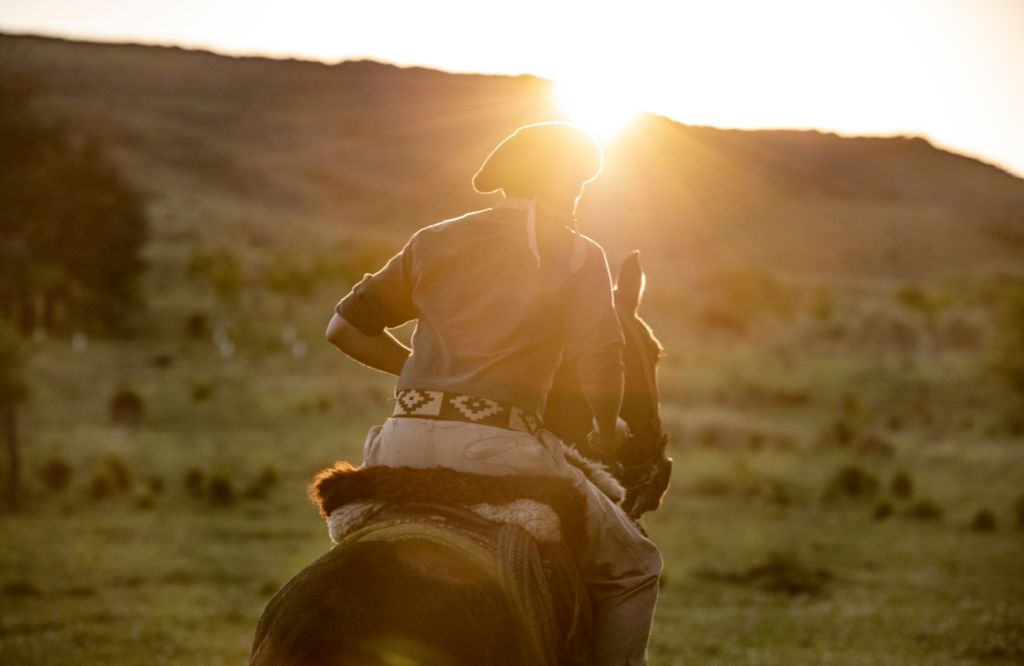

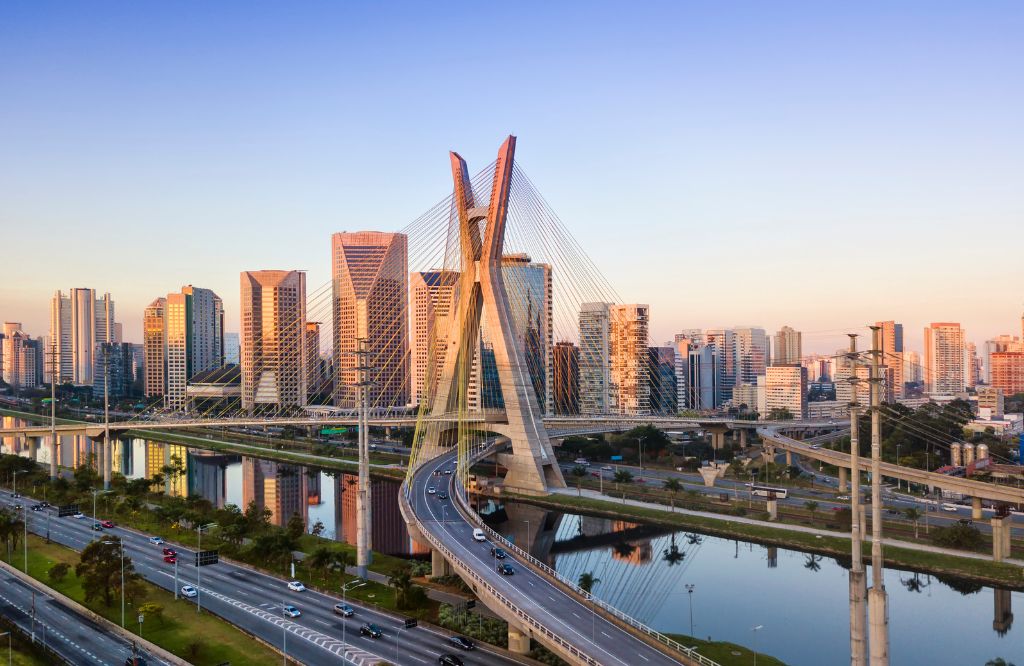
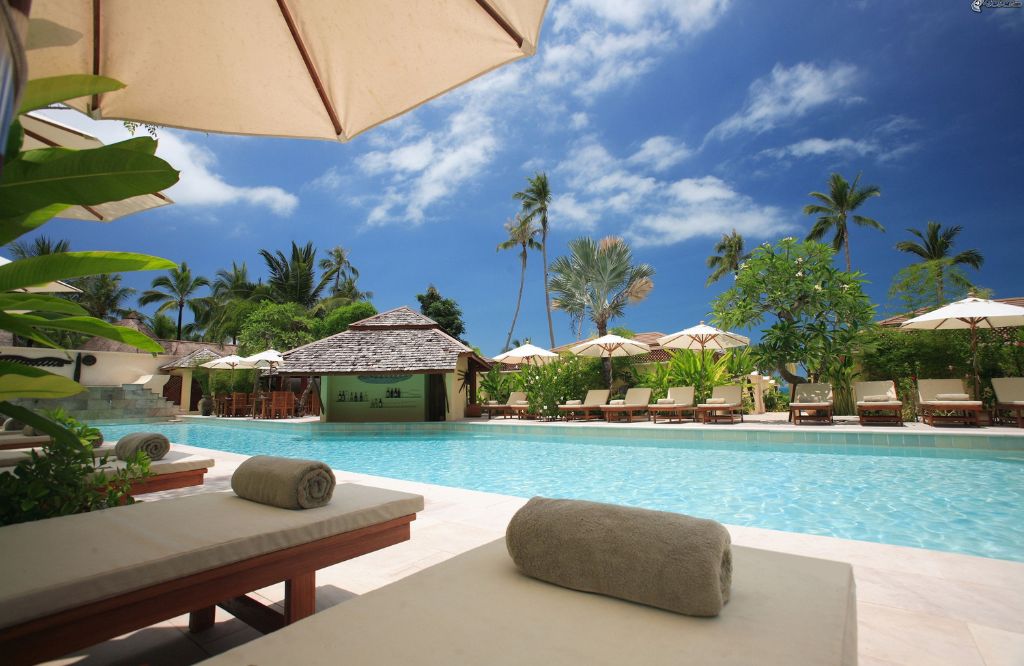
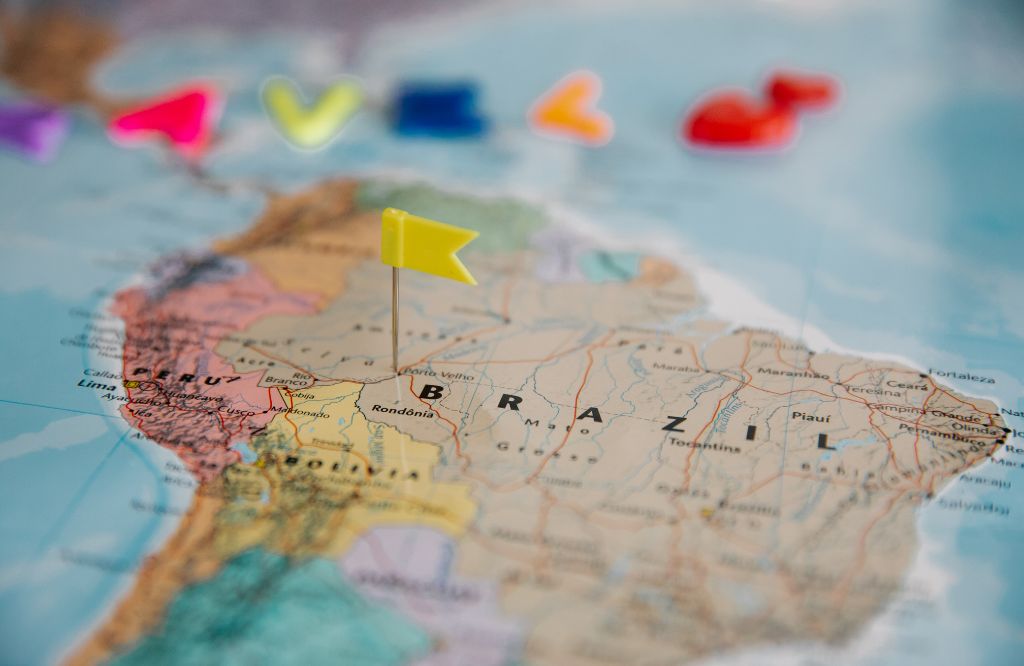






Bahia is a state full of charm, with destinations that appeal to all types of travelers. From paradise beaches to historic cities, tourism in Bahia offers a wide range of unforgettable experiences. Let’s explore some of the main destinations you should not miss.
< Back
Home » Destinations » Bahia
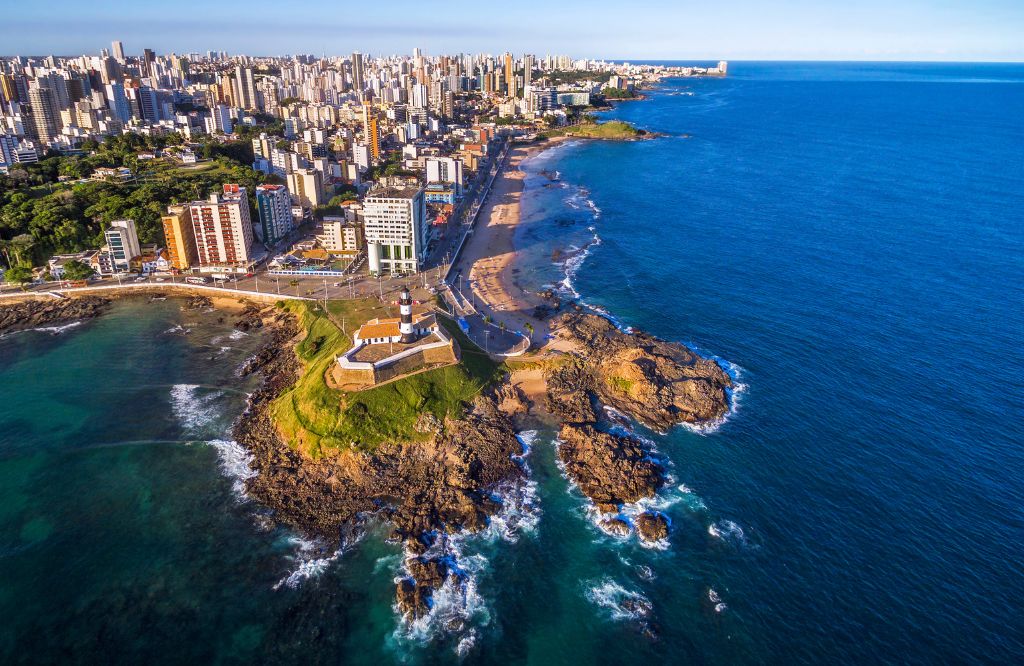
Bahia is a complete destination that combines vibrant culture, impressive natural landscapes, and a rich historical heritage. With strong African influence in music, dance, and cuisine, the state offers authentic experiences for all types of travelers.
From the paradise beaches of Itacaré, Porto Seguro, and Praia do Forte to the trails and waterfalls of Chapada Diamantina, Bahia delivers both relaxation and adventure. Ecological reserves and national parks ensure direct contact with nature and the preservation of local biodiversity.
Explore the best destinations and tips to make the most of your trip and discover why tourism in Bahia is so special.
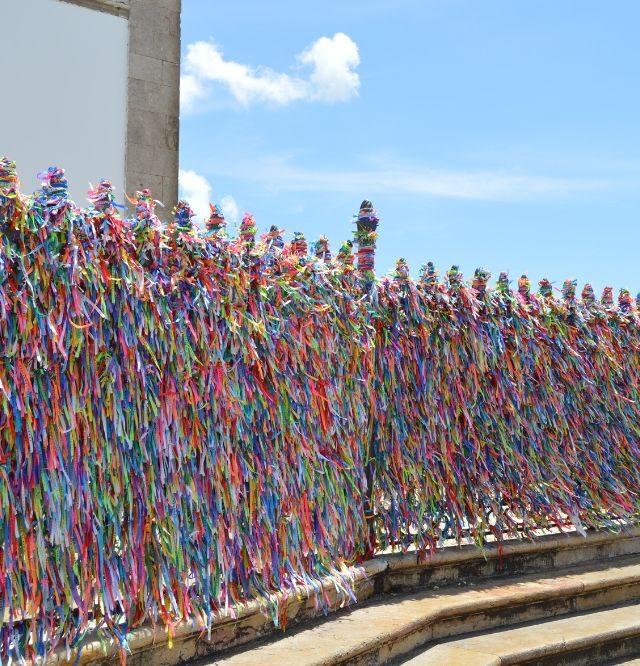
Cultural traditions that keep the soul of Bahia alive
Bahia celebrates life in a unique way. Popular festivals such as the Salvador Carnival and the Festa de Iemanjá attract thousands of visitors from around the world, offering an unforgettable cultural immersion.
Bahian cuisine, with its bold flavors and traditional dishes such as acarajé and moqueca, is a true sensory journey.
News about Bahia
Check more posts >Useful information about Bahia
Area: approximately 567,295 km²
Population: 14,141,626 inhabitants (2022 Census)
Time zone: GMT −3 (Brasília Time)
Climate: Tropical – hot summers and mild winters, with average temperatures between 21 °C and 28 °C
Telephone area code (DDD): 71 (Salvador metropolitan area), 73 (southern region), 74 (northern region), 75 and 77 (interior)
Voltage: 127V and 220V (varies by city)
Power outlets: Type N standard (three round pins)
Main destinations in the state of Bahia
Salvador
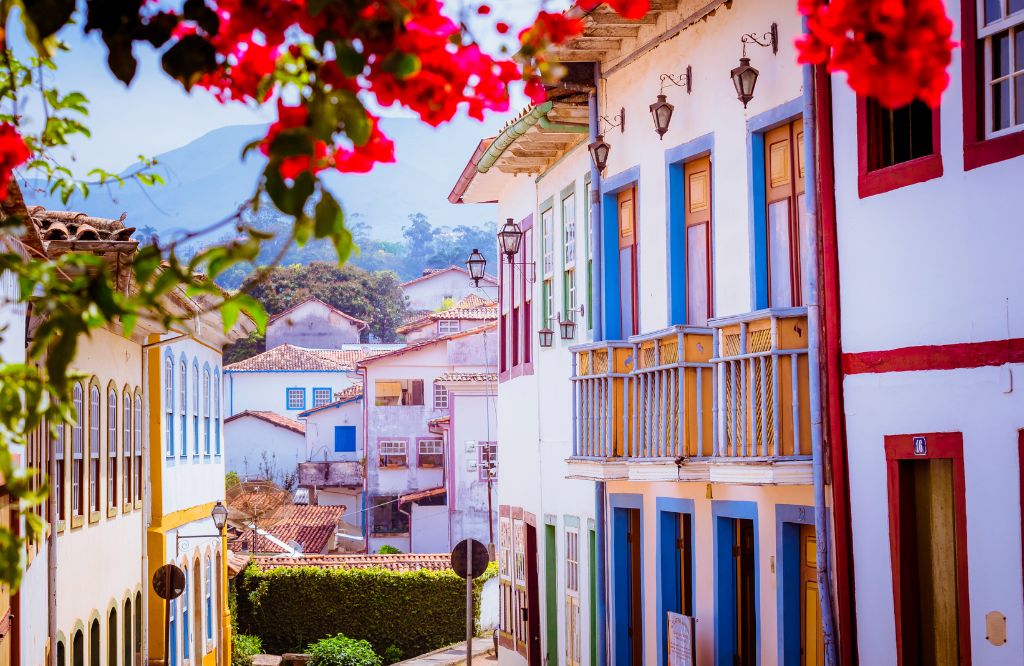
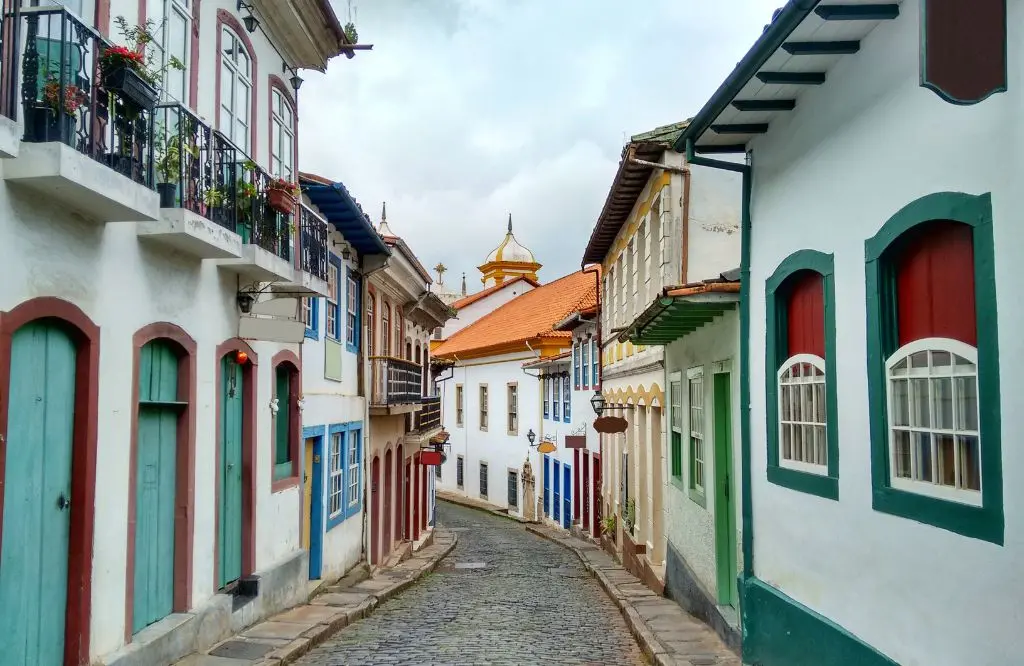
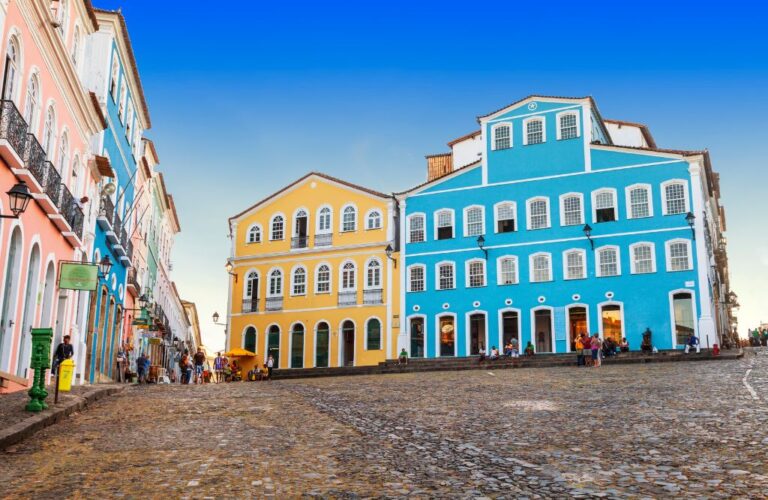
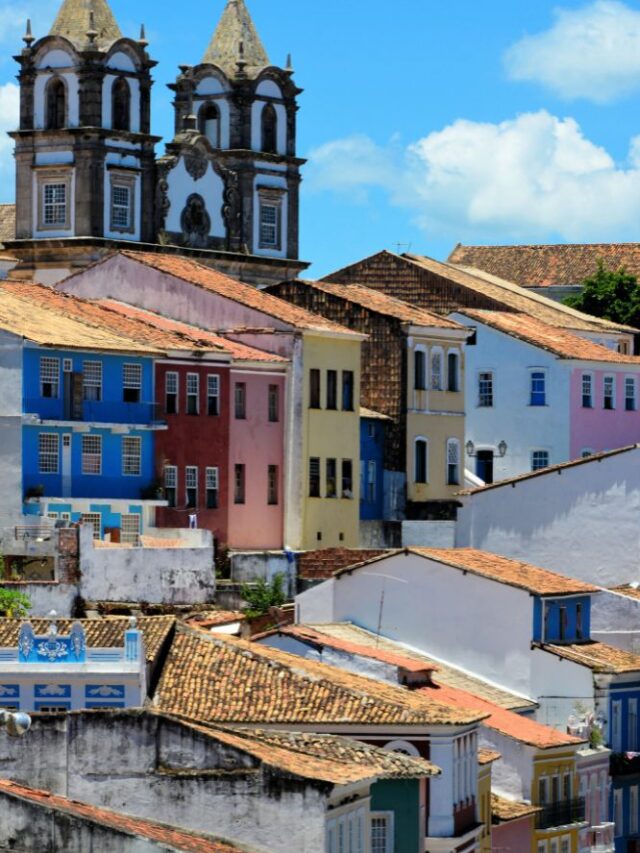
Salvador, the capital of Bahia, is a true cultural treasure. With its colorful and historic Pelourinho, the city offers a unique immersion into Bahian culture. Cobblestone streets, baroque churches, and colonial mansions tell stories of a vibrant past. In addition, Salvador is famous for its popular festivals, such as Carnival, which attract visitors from all over the world.
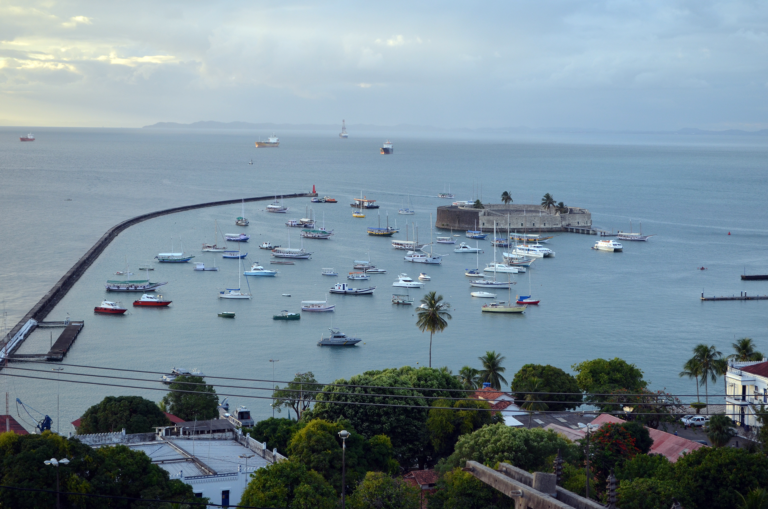
The city is also a paradise for food lovers. Try traditional dishes such as acarajé, moqueca, and vatapá at the many restaurants and street stalls. Be sure to visit Mercado Modelo to shop for local handicrafts and the Lacerda Elevator for a panoramic view of the Bay of All Saints. Salvador is a destination that combines history, culture, and entertainment in one place.
Porto Seguro
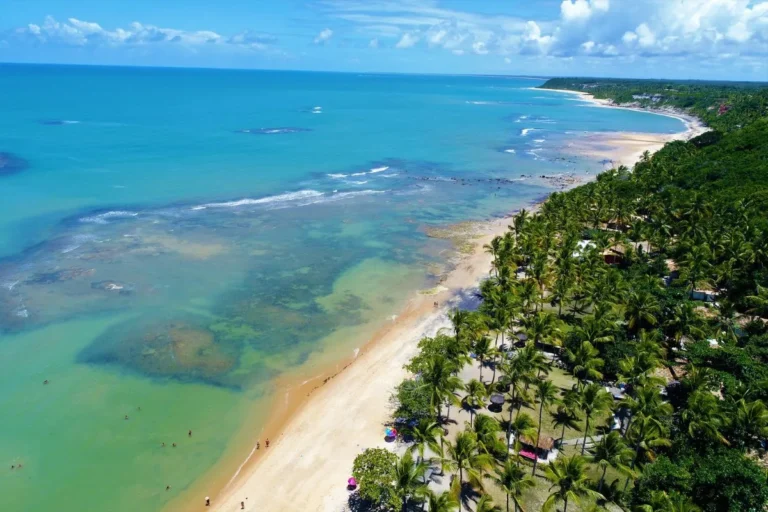
Porto Seguro is known for its lively beaches and vibrant nightlife. Beyond the parties, the city has significant historical importance, as it was one of the first landing points of the Portuguese in Brazil. Visit the Passarela do Descobrimento, an area full of bars, restaurants, and craft shops where you can feel the place’s contagious energy.
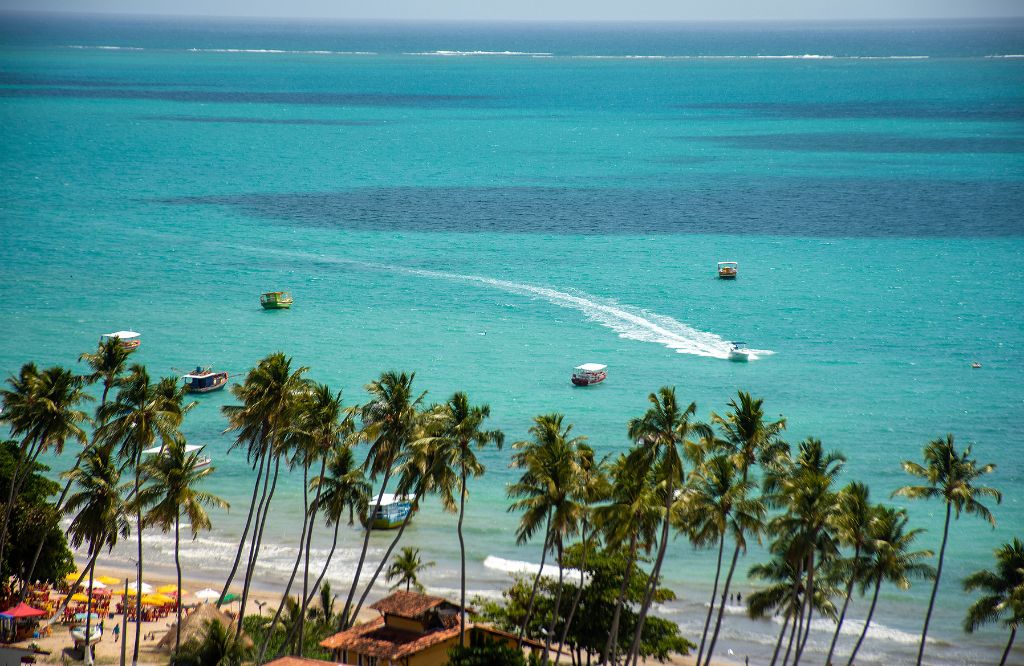
Porto Seguro’s beaches are another major attraction. Arraial d’Ajuda and Trancoso are nearby destinations that offer paradise beaches with crystal-clear waters and white sands. If you enjoy diving, be sure to explore the region’s coral reefs. Porto Seguro is ideal for those seeking fun, history, and natural beauty.
Chapada Diamantina
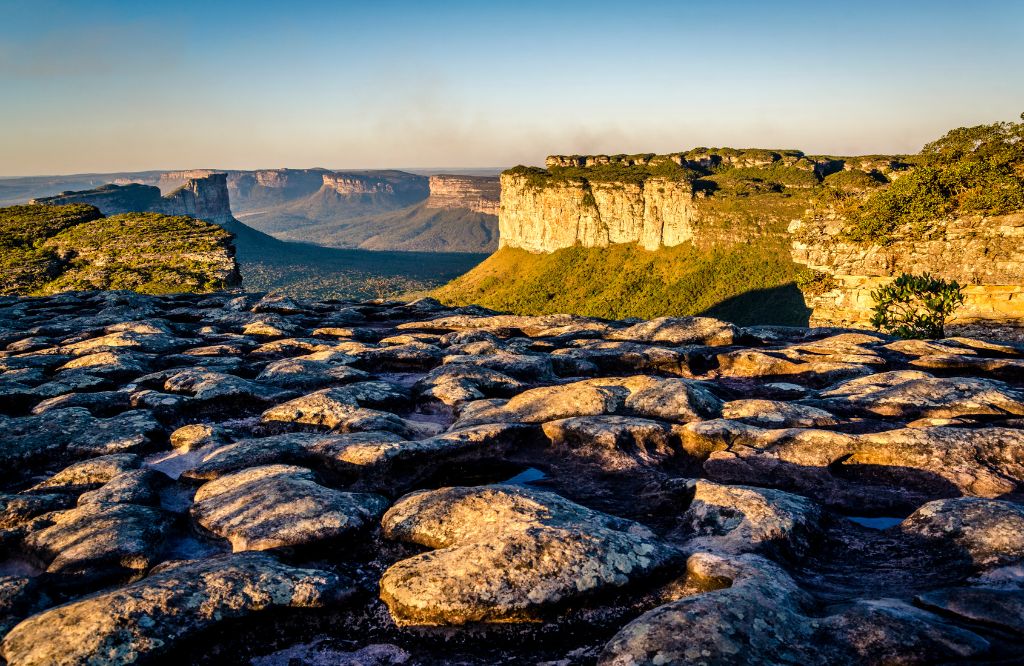
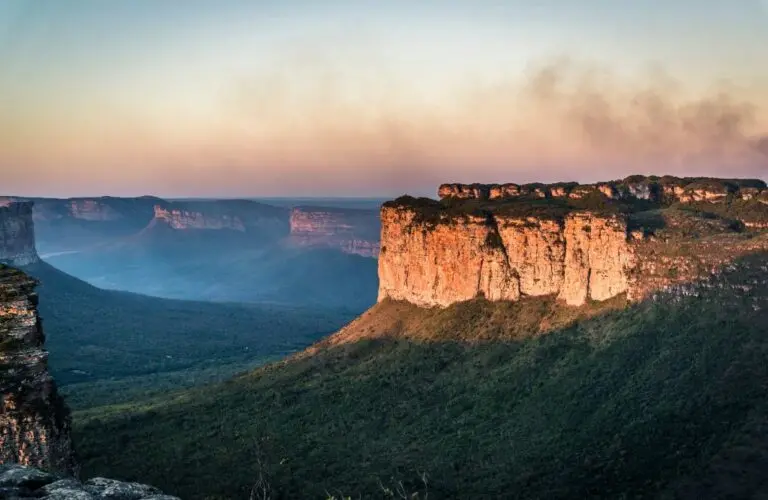
For nature and adventure lovers, Chapada Diamantina is the perfect destination. With its waterfalls, caves, and trails, the national park offers breathtaking landscapes. Morro do Pai Inácio provides an incredible panoramic view of the region, ideal for photos and moments of contemplation.
Cachoeira da Fumaça, one of the tallest waterfalls in Brazil, is an unmissable attraction. The hike to the waterfall is challenging, but the view at the end makes all the effort worthwhile. In addition, Chapada Diamantina is rich in biodiversity, making it an excellent place to observe local fauna and flora. If you are seeking adventure and close contact with nature, this is the right place.
Itacaré
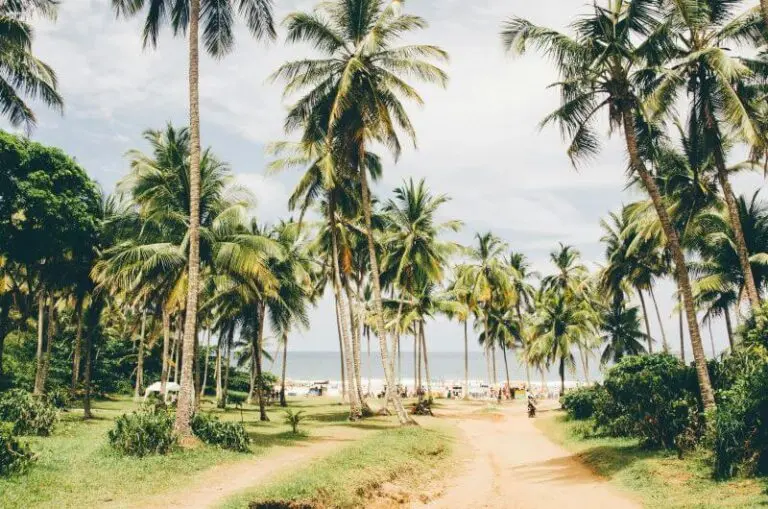
Itacaré is a paradise for surfers and ecotourism enthusiasts. With deserted beaches and trails through the Atlantic Forest, the town offers a perfect setting to relax and connect with nature. Itacaré’s beaches are known for their perfect waves, attracting surfers from all over the world.
Beyond the beaches, Itacaré offers a wide range of ecotourism activities, such as rafting, treetop adventures, and kayaking. The town is also famous for its waterfalls and natural pools, ideal for a refreshing swim after a hike. Itacaré is the ideal destination for those seeking adventure and tranquility surrounded by nature.
Praia do Forte
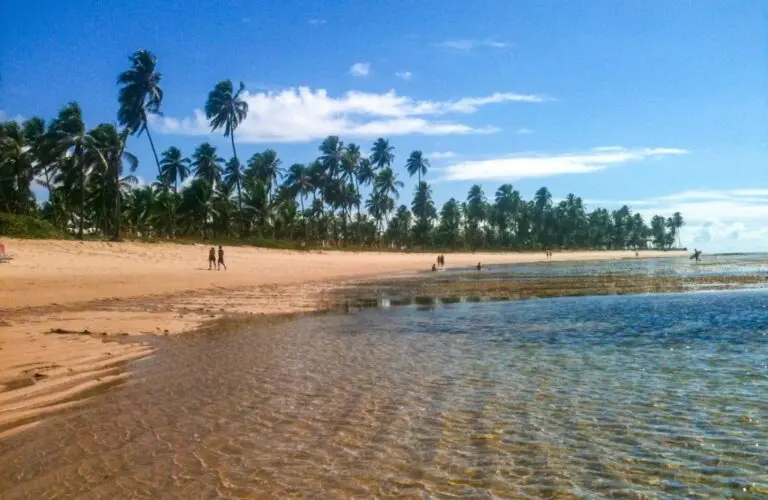
Praia do Forte is a charming village that combines peaceful beaches with rich marine life. Projeto Tamar, which protects sea turtles, is one of the main attractions and offers an educational and moving experience. The calm waters are perfect for families and couples seeking a relaxing environment.
The village is also known for its leisure and dining options. With a variety of restaurants, bars, and shops, Praia do Forte is a place where you can enjoy a delicious meal after a day of sun and sea. Be sure to visit Garcia D’Ávila Castle, a historic structure that offers spectacular views of the region. Praia do Forte is a destination that blends natural beauty with comfort.
Morro de São Paulo
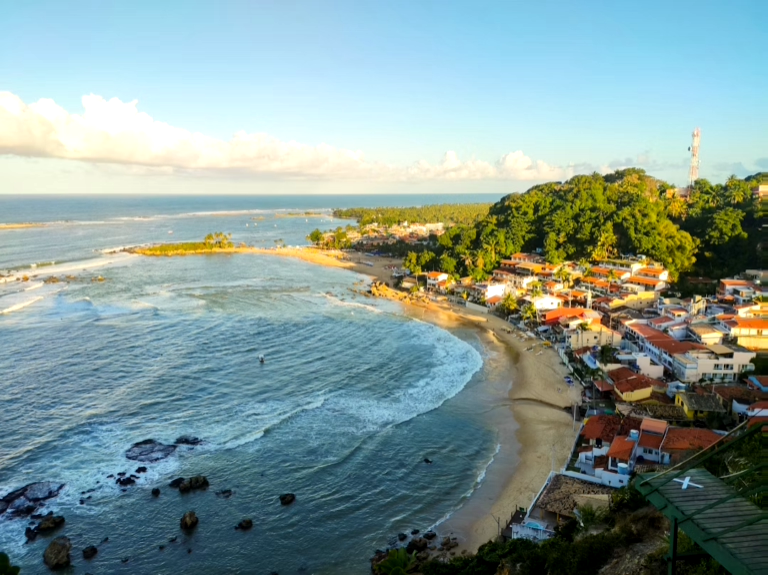
Morro de São Paulo is a charming destination that attracts travelers in search of paradise beaches and a laid-back atmosphere. Located on Tinharé Island, the village does not allow cars, which helps create a peaceful and welcoming environment. The beaches are numbered from First to Fifth Beach, each with its own unique character, ranging from the lively First Beach to the tranquility of the Fifth Beach.
Beyond the beaches, Morro de São Paulo offers a variety of activities such as boat tours, diving, and zip-lining. The nightlife is also lively, with bars and beachside parties. The island is perfect for those who want to relax during the day and enjoy themselves at night, all within a breathtaking setting.
Boipeba
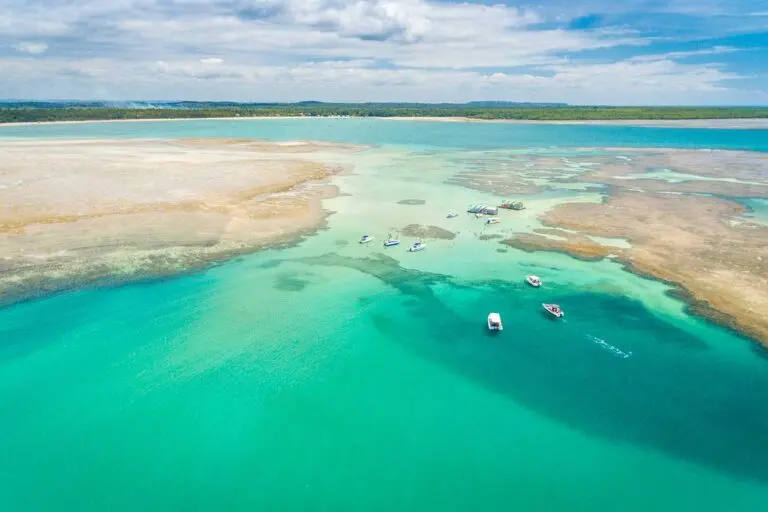
Boipeba is an ideal destination for those seeking tranquility and close contact with nature. Located in the Tinharé Archipelago, the island is less crowded than Morro de São Paulo but just as charming. Its beaches feature crystal-clear waters and white sands, perfect for relaxing and disconnecting from the world.
The island offers a variety of activities, such as ecological trails, boat tours, and diving. The village of Velha Boipeba is charming and welcoming, with inns and restaurants serving traditional Bahian cuisine. Boipeba is the perfect destination for those looking for peace and natural beauty in a preserved environment.
What to do in Bahia
- Visit Pelourinho
- Relax on the beaches of Porto Seguro
- Go on adventures in Chapada Diamantina
- Surf in Itacaré
- Explore Projeto Tamar in Praia do Forte
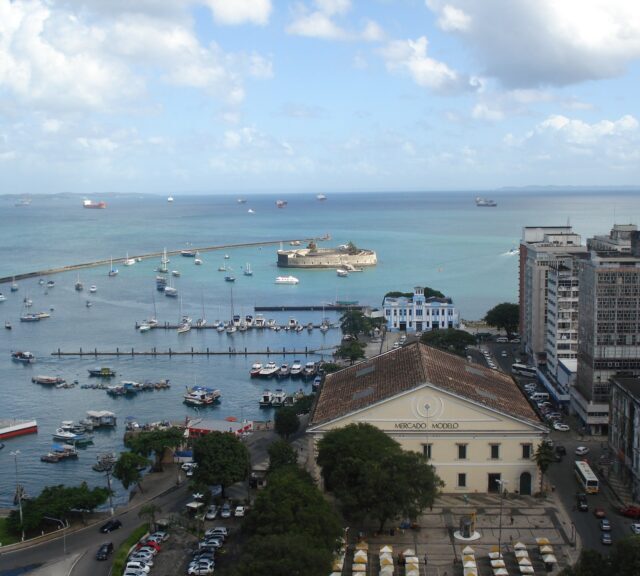
Explore the essence of Bahia
Tourism in Bahia offers a wide range of activities for all tastes. From exploring rich local culture to venturing into nature, there is always something exciting to do. Here are fourteen must-do activities to make the most of your trip.
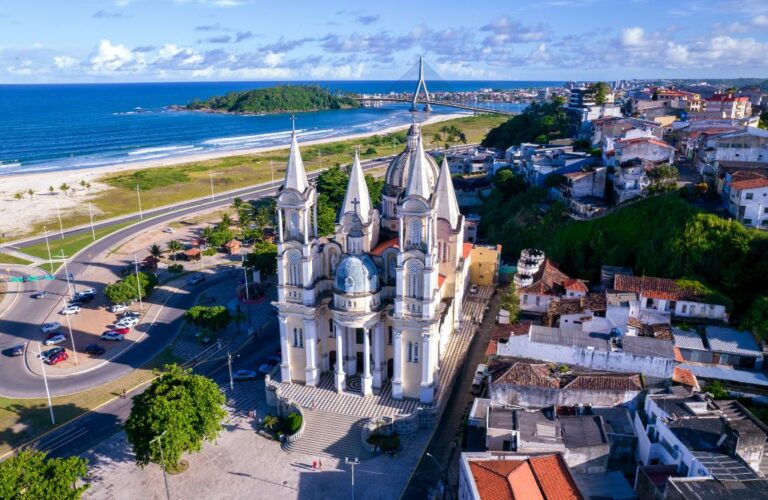
Cultural and nature tours
- Church of São Francisco: famous for its gold-covered details.
- Museums: explore local museums such as the Afro-Brazilian Museum.
- Capoeira performance: a mix of martial art and dance that captivates everyone.
- Hike to Cachoeira da Fumaça, one of the tallest waterfalls in Brazil.
- Explore Gruta da Lapa Doce, one of the largest caves in Brazil.
- Climb Morro do Pai Inácio for a panoramic view of the region.
The best of Bahia’s beaches
- Enjoy the beach huts in Taperapuã, with live music and refreshing drinks.
- Take a boat tour to Recife de Fora to snorkel among coral reefs.
- Explore the beaches of Arraial d’Ajuda and Trancoso, famous for their natural beauty.
- Catch waves at Praia da Tiririca, the most popular beach among surfers.
- Hike to Cachoeira do Tijuípe for a refreshing swim.
- Explore more secluded beaches, such as Prainha, accessible only by trail.
- Take part in lectures and educational activities offered by Projeto Tamar.
- Observe sea turtles in the exhibition tanks and learn about different species.
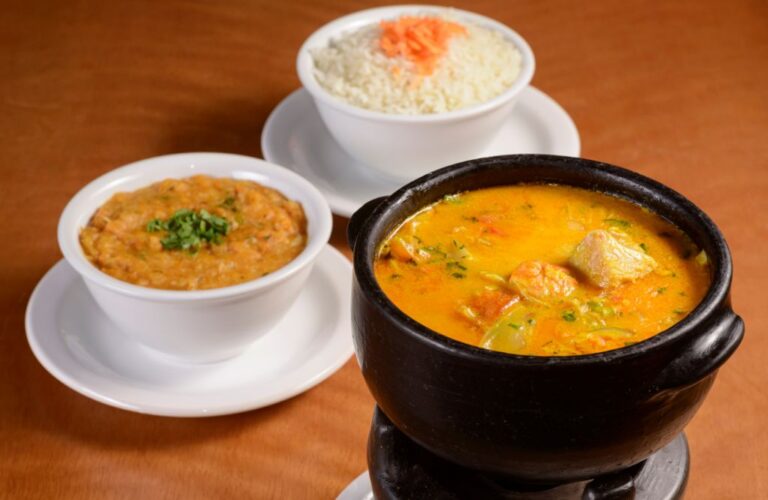
Bahian cuisine
Gastronomy is an essential part of tourism in Bahia and one of the richest and most flavorful in Brazil, reflecting the state’s cultural and historical diversity. With African, Indigenous, and Portuguese influences, Bahian cuisine offers a unique experience for visitors.
Within the context of tourism in Bahia, trying traditional dishes is a must-do activity that provides true immersion in local culture.
- Acarajé: A black-eyed pea fritter fried in dendê oil, filled with vatapá, dried shrimp, and pepper. It is sold on the streets by women dressed in traditional attire.
- Bahian Moqueca: A fish or seafood stew cooked with dendê oil, coconut milk, bell peppers, tomatoes, and onions. Served with rice and pirão.
- Vatapá: A creamy dish made from bread, coconut milk, peanuts, cashew nuts, dried shrimp, and dendê oil. It usually accompanies acarajé or is served with rice.
- Caruru: A dish made with okra, dried shrimp, cashew nuts, peanuts, and dendê oil. Traditionally served at religious festivals.
- Bobó de Camarão: A cassava purée with shrimp, seasoned with dendê oil, coconut milk, and bell peppers. Served with white rice.
Tips for enjoying Bahian cuisine
- Food fairs and markets: Visit local fairs and markets, such as Mercado Modelo in Salvador, to try traditional dishes and buy local ingredients.
- Traditional restaurants: Look for restaurants specialized in Bahian cuisine. In Salvador, Restaurante Yemanjá and Restaurante Paraíso Tropical are good options.
- Street food: Do not miss the opportunity to try acarajé and other snacks sold on the streets by women dressed in traditional attire. It is an authentic and delicious experience.
- Gastronomic festivals: Take part in food festivals held throughout the year, such as the Acarajé and Abará Festival in Salvador, to sample a wide variety of traditional dishes.
- Cooking classes: Sign up for Bahian cooking classes to learn how to prepare traditional recipes. Many culinary schools in Salvador offer courses for tourists.

How to get to Bahia
raveling through Bahia is an experience that begins the moment you arrive. With several transportation options, it is easy to find the best way to explore this state full of natural and cultural beauty. Let’s see how you can get to Bahia and get around in a practical and efficient way.
By plane
Salvador International Airport (SSA): The main gateway, with domestic and international flights.
Porto Seguro Airport (BPS): Ideal for those heading to the beaches of southern Bahia.
Ilhéus Airport (IOS): Serves the cocoa-growing region and the beaches of Itacaré and Ilhéus.
By car
BR-101: Runs through the state from north to south, passing several coastal cities.
BR-116: Connects southern Bahia to the rest of Brazil, crossing the interior of the state.
How to get around in Bahia
After arriving, it is important to know how to get around in order to explore all the wonders that tourism in Bahia has to offer.
- Car rental:
- Book your car in advance to secure better prices.
- Check road conditions and plan your route.
- Always have a GPS or an up-to-date map.
- Public transportation:
- Use ride-hailing or transit apps to check schedules and routes.
- In Salvador, the subway is a fast and safe option for getting around.
- Taxis and ride-hailing apps:
- Always check the estimated fare before accepting the ride.
- Prefer official taxi stands in tourist areas.
- Organized tours:
- Research and compare different agencies to find the best deal.
- Check online reviews to ensure service quality.
Best time to visit Bahia
Summer (December to March): If you want to enjoy beaches, parties, and warm weather, summer is the best time. Temperatures are high, perfect for enjoying the sea and outdoor events such as the famous Salvador Carnival.
Winter (June to September): For those who prefer milder temperatures and want to explore nature, winter is ideal. It is the best time to visit Chapada Diamantina, with pleasant weather and less rain, making hikes and tours easier.
Autumn and Spring (March to June and September to December): These seasons are great for travelers seeking balanced weather and fewer tourists. Temperatures are comfortable, and accommodation rates tend to be more affordable.
Emergency Services and Tourist Support
Bahia has a solid infrastructure to welcome tourists, with well-distributed emergency services, public and private hospitals, specialized police stations, and visitor information centers. In cities such as Salvador and Porto Seguro, travelers can find fast and efficient support to ensure a safe and smooth trip.
For an even more worry-free experience, it is recommended to keep key emergency and tourist assistance contacts on hand. In Bahia’s main destinations, there are tourist support posts in strategic areas such as Pelourinho, Salvador Airport, the maritime terminal, and historic centers.
These services reinforce the state’s commitment to visitor well-being, providing support in various situations and useful guidance to enjoy everything Bahia has to offer with comfort and safety.
General Emergencies
- Military Police (emergency) – 190
- SAMU (Mobile Emergency Medical Service) – 192
- Fire Department – 193
- Civil Defense (environmental emergencies) – 199
- Crime Reporting Hotline – Public Safety – 181
Tourist Safety and Support
- Civil Police (information and incident reports) – 147
- Federal Highway Police (PRF) – 191
Health and Medical Care
- SAMU – Medical Emergency – 192
More tips about Bahia
Withdraw cash from ATM24h machines
Although many establishments accept cards, it is always a good idea to carry cash for small purchases and more remote areas. ATM24h machines are spread throughout the state, making it easy to withdraw cash anywhere.
Check the installed locations here.
Sunscreen and insect repellent
The sun in Bahia is strong, so be sure to bring sunscreen. In addition, in forested areas and on beaches, insect repellent is essential to avoid bites.
Stay hydrated
Stay well hydrated, especially if you are exploring trails or spending the day at the beach. Always carry a bottle of water with you.
Try the local cuisine
Bahian cuisine is rich and diverse. Be sure to try traditional dishes such as acarajé, moqueca, vatapá, and caruru. Besides being delicious, they are an important part of local culture.
Respect the culture and traditions
Bahia is a state with vibrant culture and unique traditions. Respect local customs, take part in festivals and events with an open mind, and take the opportunity to learn more about Bahian history and culture.
Local transportation
If you need to get around within cities, use ride-hailing apps or taxis for greater safety and comfort. In tourist areas, it is often possible to explore on foot or by bicycle.
Accommodation
Book your accommodation in advance, especially during peak seasons such as summer and Carnival. There are options for all tastes and budgets, from charming inns to luxury resorts.
With these tips, your trip to Bahia will be even more relaxed and enjoyable. Get ready to be enchanted by this wonderful state!
Do I need a visa to visit Bahia?
If you are Brazilian, you do not need a visa. For foreigners, check the specific requirements of your country of origin.
What is the best time to visit Bahia?
Bahia can be visited year-round, but summer (December to March) is ideal for those who want to enjoy beaches and festivals, while winter (June to August) is perfect for exploring Chapada Diamantina with milder temperatures.
What are the main traditional foods of Bahia?
Acarajé, moqueca, vatapá, and caruru are some of the dishes you should try. Bahian cuisine is rich in flavors and traditions.
How can I get around Bahia?
You can rent a car, use intercity buses, or book tours with local agencies. In larger cities such as Salvador, ride-hailing apps and taxis are good options.
Is it safe to travel around Bahia?
As with any destination, it is important to take basic precautions. Avoid unfamiliar areas at night, keep an eye on your belongings, and use hotel safes to store valuables.
Where can I withdraw cash?
You can withdraw cash from ATM24h machines, which are available throughout the state. It is always a good idea to carry cash for small purchases and more remote areas.
What are the main tourist destinations in Bahia?
Some of the main destinations include Salvador, Chapada Diamantina, Porto Seguro, Praia do Forte, Ilhéus, and Itacaré. Each one offers a unique experience, from paradise beaches to nature adventures.
What should I pack for a trip to Bahia?
Bring light clothing, sunscreen, insect repellent, a hat or cap, swimwear, and comfortable shoes. If you plan to visit Chapada Diamantina, also pack hiking clothes and a jacket for cooler evenings.
How is the internet connection in Bahia?
In urban and tourist areas, internet access is generally good, with Wi-Fi available in many hotels, restaurants, and cafés. In more remote areas, the connection may be limited.
Do I need any vaccinations to visit Bahia?
There are no specific vaccination requirements to visit Bahia, but it is always recommended to be up to date with routine vaccinations, including yellow fever, especially if you plan to visit forested areas.

