



















- Subway: The fastest and most efficient way to get around the city.
- Buses: Widely available, with numerous routes covering Rio de Janeiro.
- Taxis and ride-hailing apps: Uber and 99 are popular and safe options.
- Shared bicycles: A great choice for short distances and leisure rides.
< Back
Home » Destinations » Rio de Janeiro » Rio de Janeiro

Tourism in the city of Rio de Janeiro is one of the most iconic in Brazil, combining breathtaking natural landscapes with a vibrant culture. Between the sea and the mountains, Rio offers unique experiences for every type of traveler—from those seeking relaxation on the beaches to visitors interested in exploring local history and traditions.
Landmarks such as Christ the Redeemer and Sugarloaf Mountain reveal stunning panoramic views, while Copacabana and Ipanema invite visitors to enjoy a relaxing day by the sea. The city also breathes culture: neighborhoods like Santa Teresa and Lapa bring together art, historic architecture, and an intense nightlife, marked by samba circles and popular cultural expressions.
Those who visit Rio will discover a distinctive gastronomy, with traditional dishes such as feijoada and caipirinha, as well as major events like Carnival, which reflect the city’s festive soul. With Brasil ATM, travelers gain access to itineraries that showcase the best of Rio—a destination where nature, culture, and emotion go hand in hand.


Cultural traditions that keep the soul of Rio de Janeiro alive
The city of Rio de Janeiro is one of Brazil’s great cultural symbols, with an identity shaped by a blend of African, Indigenous, European, and Northeastern Brazilian influences. This diversity is present in everyday life, in the artistic expressions that fill the streets, in religious and popular festivities, and in the city’s warm and welcoming way of life.
Cultural expressions such as Carnival—with its street parades and samba schools—festivals honoring Iemanjá on the beaches, samba circles in Lapa, and traditional June festivals across neighborhoods are just a few examples of the cultural strength that pulses through the city. Each event carries tradition, resilience, and popular creativity.
In tourism in the city of Rio de Janeiro, this heritage is experienced intensely. Whether in hillside communities known for their artistic energy, in historic neighborhoods like Santa Teresa, or on beaches where faith and music come together, visitors connect with a plural, vibrant, and deeply Brazilian city.
News about Rio de Janeiro
Check more posts >Useful information about Rio de Janeiro
Area: approximately 1,200 km²
Population: around 6.211 million inhabitants (2022 census)
Time zone: GMT –3 (Brasília Time)
Climate: Humid tropical – average temperatures between 18°C and 31°C
Telephone area code: 21
Voltage: 127V
Power outlets: Type N standard (three round pins)
Main destinations in Rio de Janeiro
Rio’s capital city is a destination full of attractions, with options that appeal to all types of travelers. From famous beaches to historic and cultural landmarks, tourism in the city of Rio de Janeiro offers a wide range of unforgettable experiences.
Let’s explore some of the main destinations you can’t miss.
Christ the Redeemer
Christ the Redeemer is one of the most iconic symbols of Brazil and the world. Located at the top of Corcovado Mountain, the statue offers breathtaking panoramic views of the city. Beyond its religious significance, the site is ideal for photography and for admiring the surrounding natural scenery.
Access is possible by train, van, or hiking trails, making it a great option for visitors who want to experience a historic and cultural landmark of Rio. Take the opportunity to explore the nearby Tijuca National Park, which surrounds the area.


Sugarloaf Mountain
Sugarloaf Mountain is another iconic landmark of tourism in the city of Rio de Janeiro. Accessed by cable car, the viewpoint at the top offers stunning views of Guanabara Bay, the beaches, and the city skyline. It is a must-do experience, especially in the late afternoon, when the sunset creates a truly magical setting.
In addition to the cable car ride, the Urca neighborhood at the base of Sugarloaf Mountain is an excellent area for a walk, enjoying a drink, or tasting local snacks at one of its traditional bars.
Copacabana Beach
Copacabana is one of the most famous beaches in the world. With its wave-patterned promenade and constant lively atmosphere, the beach is a symbol of Rio’s lifestyle. It is ideal for walking, practicing sports, or simply relaxing on the sand.
The area also offers a wide variety of restaurants, bars, and hotels, as well as cultural and sporting events throughout the year. Be sure to try a tropical fruit juice or a chilled coconut while enjoying the seaside vibe.


Botanical Garden
The Rio de Janeiro Botanical Garden is a haven of tranquility and natural beauty. Founded in 1808, it is home to a vast collection of plants, including rare and exotic species. One of its highlights is the row of imperial palm trees that forms a majestic avenue.
In addition to being an educational visit, the Botanical Garden is perfect for those seeking a peaceful moment surrounded by nature. The space also features a museum and a café to round out the experience.
Lapa and the Selarón Steps
Lapa is one of Rio’s most vibrant neighborhoods, known for its nightlife and historic architecture. The Lapa Arches, an 18th-century aqueduct, are a landmark of the area and often serve as a backdrop for events and celebrations.
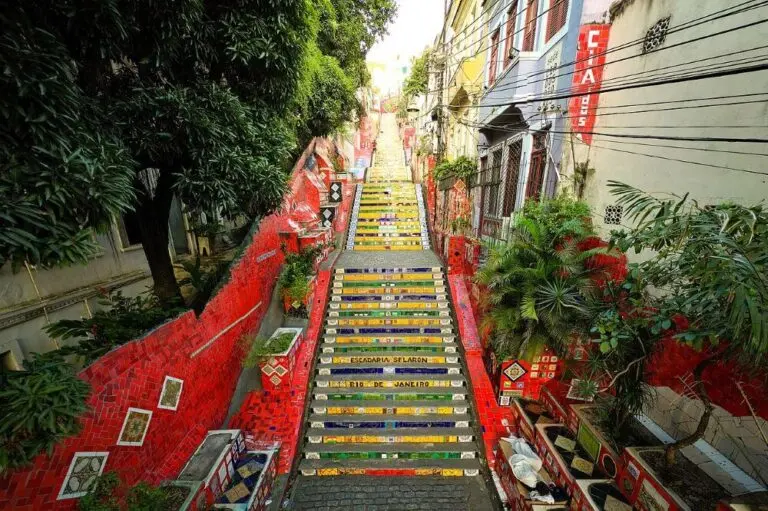
The Selarón Steps, created by Chilean artist Jorge Selarón, are another must-see attraction. Covered in colorful tiles, the staircase has become a symbol of creativity and Rio’s cultural spirit. Lapa is also the right place to enjoy samba and live music in bars and nightlife venues.
What to do in the city of Rio de Janeiro
The city of Rio de Janeiro offers experiences that go far beyond its beaches. From exploring its rich cultural scene to enjoying trails and natural landscapes, tourism in the city of Rio de Janeiro is full of possibilities for every type of traveler.
- Visit museums and cultural centers
- Enjoy Rio’s local gastronomy
- Explore the historic downtown area
- Relax on beaches and in green spaces
- Take part in traditional events

Main events in Rio de Janeiro
Rio de Janeiro hosts some of the most iconic events in Brazil. Whether through samba, international music, or major seaside celebrations, the city pulses with culture all year long.
- Carnival: The largest popular festival in Brazil, featuring samba school parades and thousands of street parties.
- New Year’s Eve in Copacabana: One of the most famous New Year celebrations in the world, with concerts and fireworks along the beachfront.
- Rock in Rio: A festival that brings together some of the biggest names in global music, hosted in a massive venue in the city’s West Zone.

Museums in Rio de Janeiro
The city also stands out for its museums and cultural centers, which blend art, science, and history in iconic settings.
- Museum of Tomorrow: Futuristic architecture and interactive exhibitions focused on sustainability and innovation.
- MAR – Rio Art Museum: Exhibitions that highlight Brazilian art and its dialogue with Rio’s cultural landscape.
- CCBB Rio: A vibrant program featuring theater, exhibitions, cinema, and music in the city’s historic center.
Places full of life
Rio is shaped by contrasts and encounters. From seaside bars to cultural fairs, the city comes alive in the details.
- Lapa: The birthplace of Rio’s bohemian scene, with live samba, traditional bars, and the iconic Lapa Arches.
- São Cristóvão Fair: A slice of Northeastern Brazil in the heart of Rio, featuring forró music, traditional food, and popular culture.
- Urca bars: Perfect for enjoying the late afternoon with local snacks and views of Guanabara Bay.


Historical tourism and parks in Rio de Janeiro
Between one beach and another, Rio also preserves historic buildings and surprising green areas—ideal for exploring the past and relaxing outdoors.
- Paço Imperial: One of the landmarks of Brazil’s colonial period, located in the city center.
- Lapa Arches: A historic aqueduct that has become a symbol of Rio’s nightlife.
- Parque Lage: A charming garden with trails, art, and a café at the foot of Christ the Redeemer.
- Tijuca Forest: The largest urban forest in the world, featuring trails, waterfalls, and stunning viewpoints.
Gastronomy in the city of Rio de Janeiro
Rio’s cuisine is a blend of local traditions and global influences. Here are some dishes and experiences you can’t miss.
- Feijoada: A traditional dish made with black beans and assorted meats, served with rice, collard greens, and farofa.
- Codfish fritters (bolinho de bacalhau): A crispy, flavorful snack, perfect to enjoy with a cold beer.
- Açaí: A refreshing dessert or snack, usually served with granola and fruit.

Tips to enjoy Rio’s gastronomy
- Traditional restaurants: Visit places such as Bar do Mineiro in Santa Teresa or Cervantes in Copacabana.
- Fairs and markets: Explore the São Cristóvão Fair or the Municipal Market to taste local delicacies.
- Food trucks: Try modern street food at the many food trucks spread throughout the city.

How to get to Rio de Janeiro
Tourism in the city of Rio de Janeiro begins with a well-planned arrival. There are several ways to reach the Marvelous City, depending on where you are coming from.
By plane:
- Tom Jobim International Airport (Galeão)
- Santos Dumont Airport
By car
- Presidente Dutra Highway: Connects Rio de Janeiro to São Paulo.
- BR-101 Highway: Links Rio de Janeiro to other regions of the Southeast and Northeast.
How to get around in Rio de Janeiro


Best time to visit the city of Rio de Janeiro
Rio can be visited year-round, but each season offers a unique experience.
- Summer (December to March): A time of crowded beaches and major events such as Carnival.
- Winter (June to September): Milder weather, ideal for exploring the city on foot.
- Spring (September to December): Pleasant temperatures and less rainfall.
- Autumn (March to June): A quieter period, perfect for visiting parks and cultural attractions.
Emergency Services and Tourist Support
The city of Rio de Janeiro offers a solid support infrastructure for visitors, with an extensive network of public and private hospitals, emergency services, specialized police stations, and visitor assistance centers. To ensure peace of mind during your trip, it is important to keep key emergency contacts and local information readily available.
The city also provides tourist information points in strategic locations such as Tom Jobim International Airport (Galeão), Novo Rio Bus Terminal, the historic center, the Lapa district, and high-traffic areas along the Copacabana, Ipanema, and Barra da Tijuca waterfronts.
In addition, municipal and state programs work in partnership to support visitors with information on transportation, cultural attractions, safety, and accessibility—helping ensure that tourism in the city of Rio de Janeiro is a safe, well-informed, and welcoming experience.
General Emergencies
- Military Police (emergency) – 190
- SAMU (Mobile Emergency Care Service) – 192
- Fire Department – 193
- Civil Defense (environmental emergencies) – 199
- Public Safety Hotline – 181
Tourist Safety and Support
- Tourist Police Station (DEATUR) – (21) 2332-2924
- Civil Police (Information and incident reports) – 197 or (21) 2253-1177
- Federal Police (Passports and immigration) – 194 or (21) 2203-4750
- Federal Highway Police (PRF) – 191
Health and Medical Care
- SAMU – Medical Emergency – 192
Tourist Information and General Support
- Tourist Assistance Center – 1746
- Infraero – Flight and airport information – (21) 3393-3382
- Procon-RJ (Consumer protection) – 151
More tips about the city of Rio de Janeiro
To make the most of your trip to Rio de Janeiro, a few practical tips can make all the difference. Below are Brasil ATM’s recommendations to enhance your tourism experience in Rio:
Withdraw cash with Brasil ATM
Although many establishments accept cards, it is always advisable to carry some cash for small purchases and in less accessible areas. Brasil ATM offers ATMs at several points across the city, making cash withdrawals convenient wherever you are.
Be prepared for the weather
Rio de Janeiro’s climate can be hot and humid, especially in summer. Pack lightweight clothing, sunscreen, and a hat to protect yourself from the sun. Carrying a water bottle is also recommended to stay hydrated.
Use public transportation
Traffic in Rio can be intense, particularly in tourist areas. Whenever possible, use the subway or buses to get around more efficiently. The subway is safe, reliable, and covers many key areas of interest.
Try the local cuisine
Rio de Janeiro is a gastronomic destination. Be sure to try traditional dishes such as feijoada, codfish fritters, and açaí. Take the opportunity to visit classic bars and restaurants, especially in areas like Urca and Santa Teresa.
Respect cultural diversity
Rio is a multicultural city with a rich mix of traditions and influences. Respect the different cultures and customs you will encounter during your visit, particularly in neighborhoods such as Lapa and the Historic Center.
Plan your itinerary
Rio de Janeiro offers many attractions, and some are located far from one another. Planning your itinerary in advance helps optimize your time and avoid unnecessary travel. Prioritize the sights that best match your travel style.
Accommodation
Book your accommodation in advance, especially during major events such as Carnival and New Year’s Eve. The city offers options for all preferences and budgets, from budget hostels to luxury beachfront hotels.
Safety
As in any large city, basic precautions are essential. Avoid displaying valuables, keep an eye on your belongings, and avoid unfamiliar areas at night. Use hotel safes to store documents and cash.
Enjoy nature
Rio de Janeiro is famous for its natural landscapes. Take time to visit parks such as the Botanical Garden, Tijuca Forest, and Parque Lage. These spots are ideal for relaxing and connecting with nature.
Take part in cultural events
Rio is known for its festivals and cultural events. If possible, plan your trip to coincide with celebrations such as Carnival, Rock in Rio, or the Festival of Iemanjá. These experiences are unique and deeply enriching.
With these tips, your trip to Rio de Janeiro will be even more enjoyable and rewarding. Get ready to be captivated by the Marvelous City and all of its natural and cultural beauty.
Do I need a visa to visit Rio de Janeiro?
If you are Brazilian, you do not need a visa. Foreign visitors should check Brazil’s entry requirements according to their nationality.
What is the best time to visit Rio?
Rio can be visited year-round, but spring and autumn offer more pleasant weather.
What are the main traditional foods in Rio?
Feijoada, codfish fritters, and açaí are some of the dishes you should try.
How can I get around the city?
The subway, buses, taxis, and ride-hailing apps are the best options.
Is it safe to travel around Rio?
As in any large city, it is important to take basic precautions. Avoid unfamiliar areas at night and always keep an eye on your belongings.
Where can I withdraw cash?
You can withdraw cash at ATM24h machines, available at various locations throughout the city.
What are the main tourist attractions in Rio?
Christ the Redeemer, Sugarloaf Mountain, Copacabana Beach, and the Botanical Garden are among the main highlights.

