


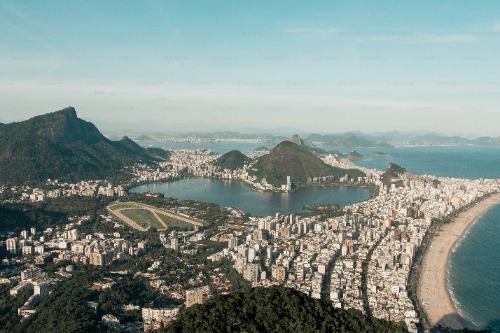

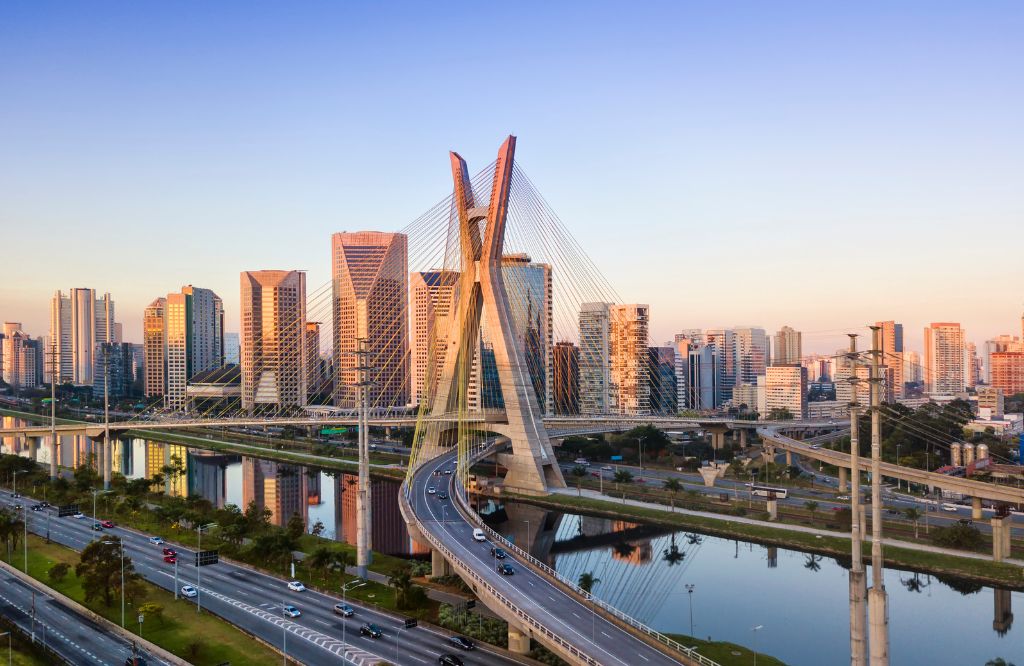
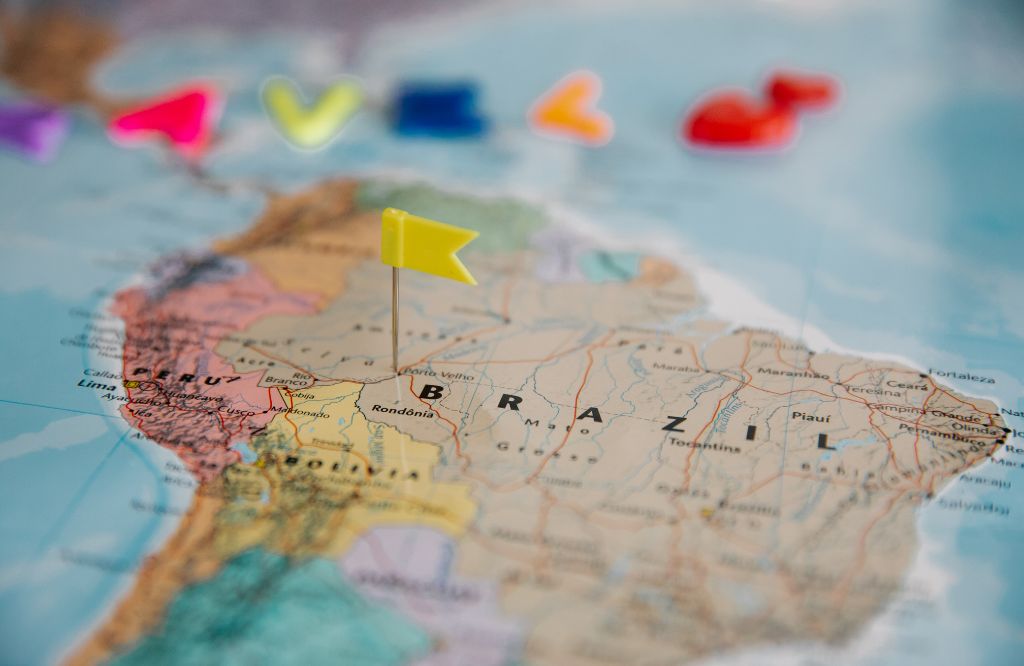



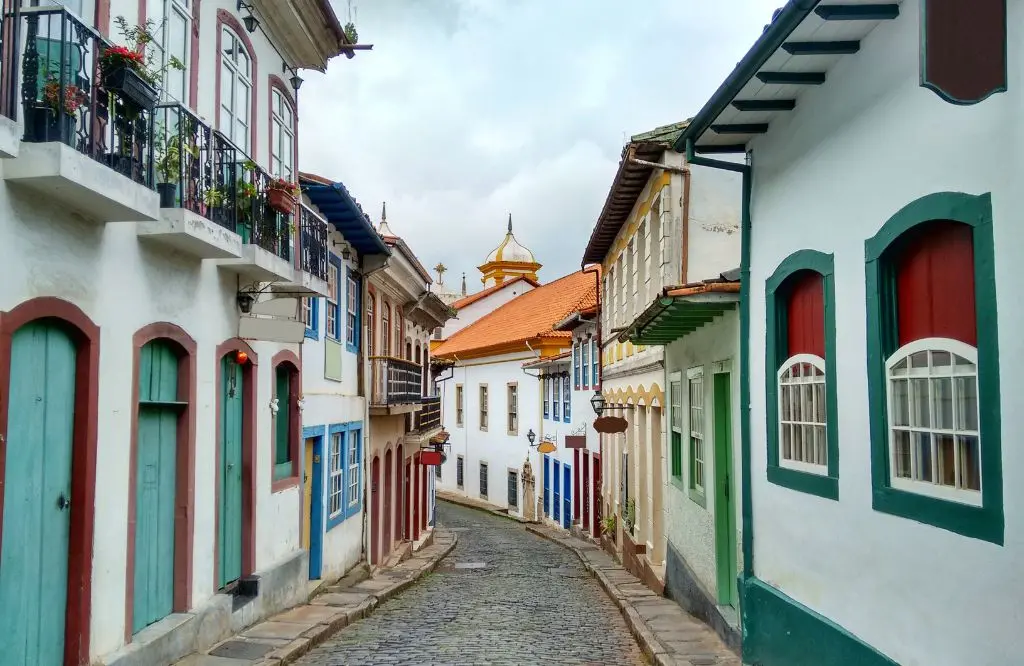
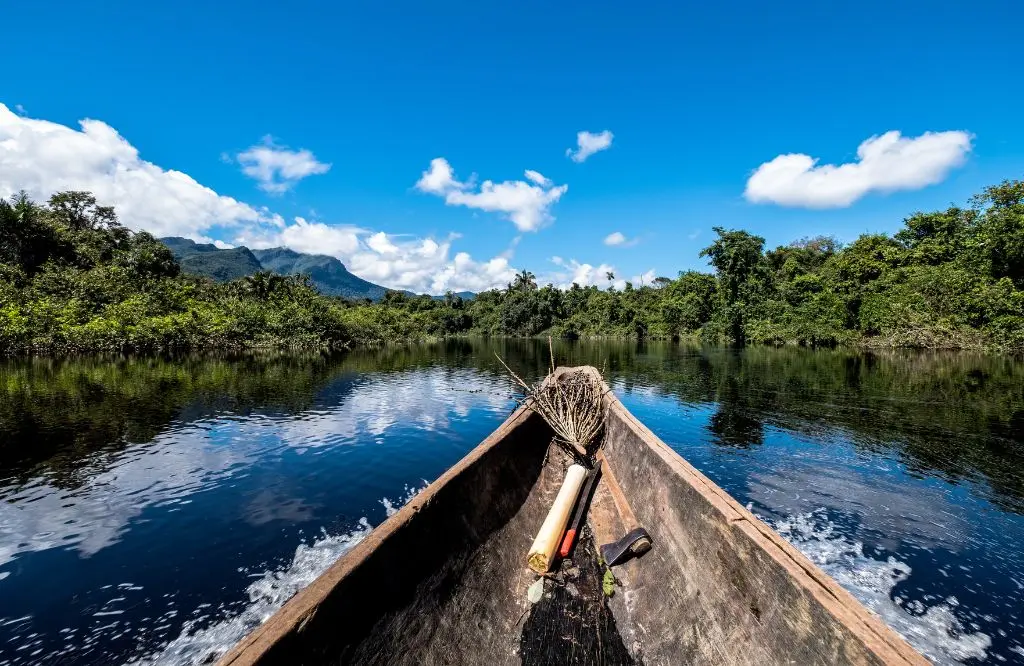

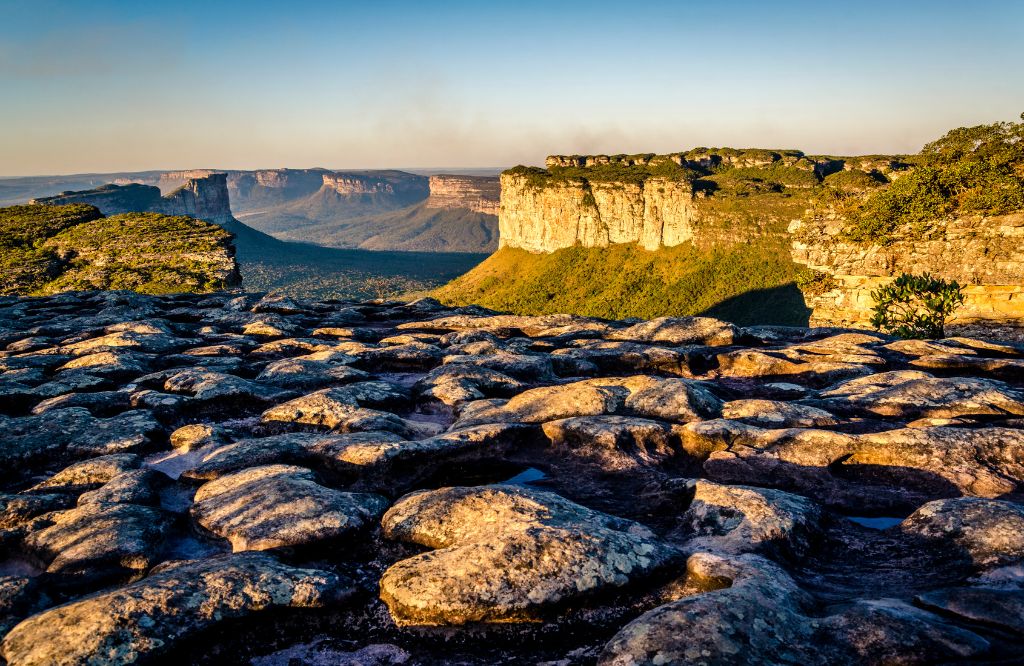

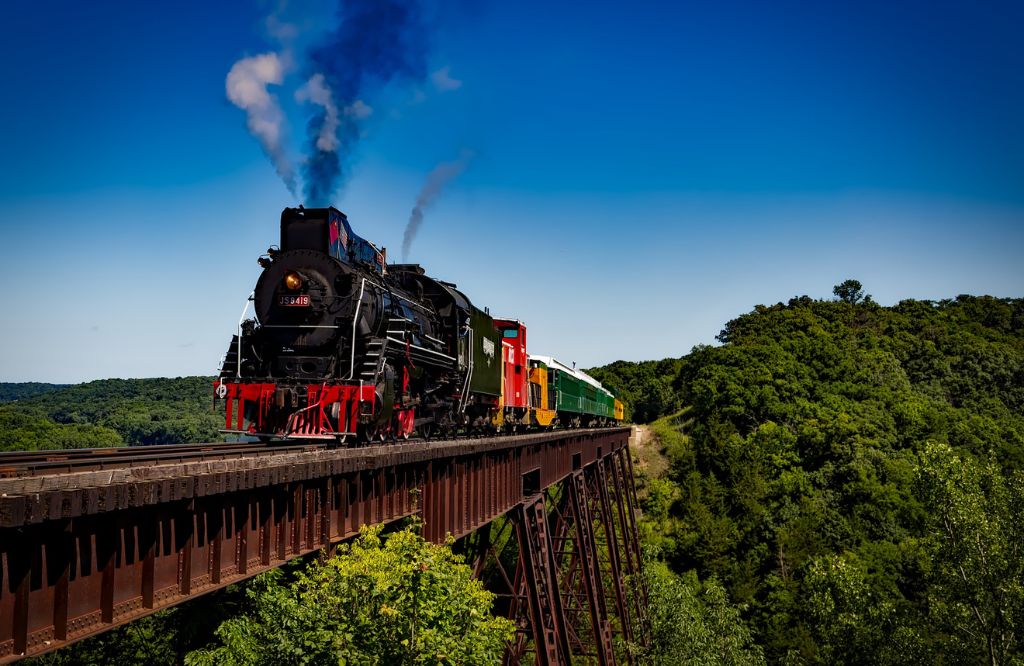
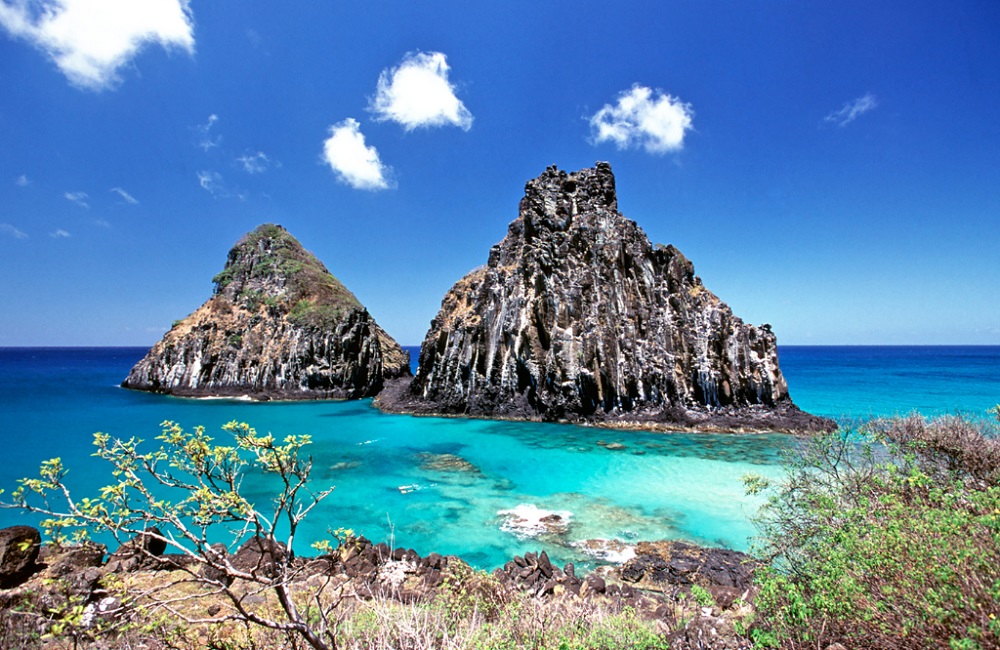
Rio Grande do Sul is a state full of attractions, with destinations that appeal to all types of travelers. From historic cities to impressive natural landscapes, tourism in Rio Grande do Sul offers a wide variety of unforgettable experiences. Let’s explore some of the main destinations you should not miss.
< Back
Home » Destinations » Rio Grande do Sul
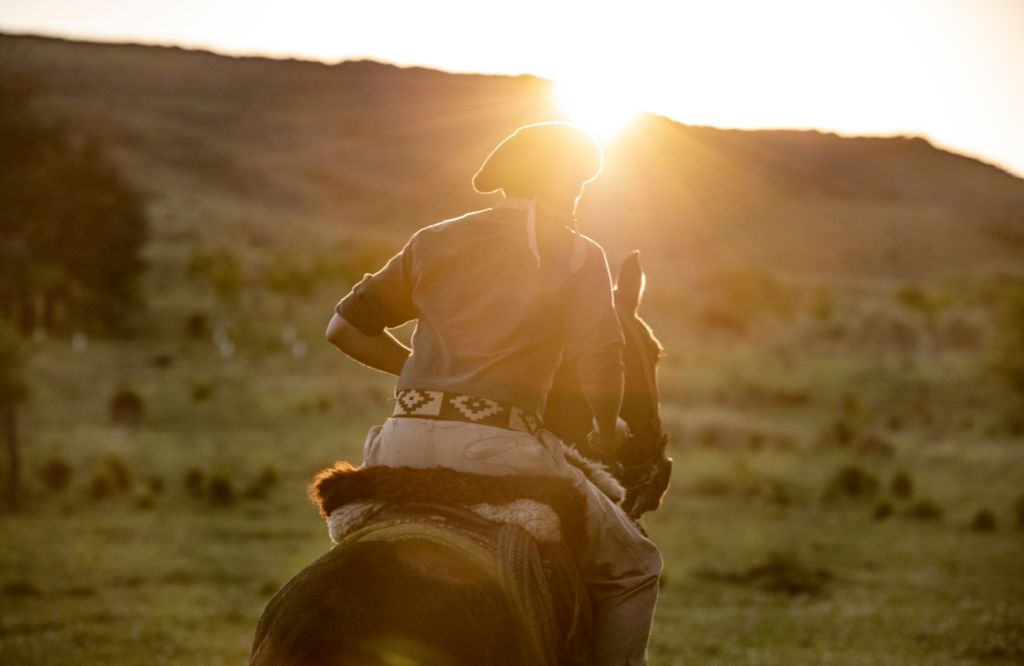
Tourism in Rio Grande do Sul combines nature, culture, and tradition in experiences that delight all types of travelers. With a strong cultural heritage reflected in music, dance, and gastronomy, the state offers attractions ranging from mountainous landscapes in the Serra Gaúcha to historic ruins in the Missions region.
Visitors can explore cities with European style architecture, take part in traditional celebrations such as Farroupilha Week and Natal Luz, and experience gaucho customs up close. The mild climate and local hospitality make the trip even more special.
Gastronomy is also a highlight, with dishes such as the traditional barbecue, accompanied by the inseparable chimarrão. From relaxation to cultural tourism, Rio Grande do Sul is a complete destination that reveals the roots and soul of southern Brazil.
Cultural traditions that keep the soul of Rio Grande do Sul alive
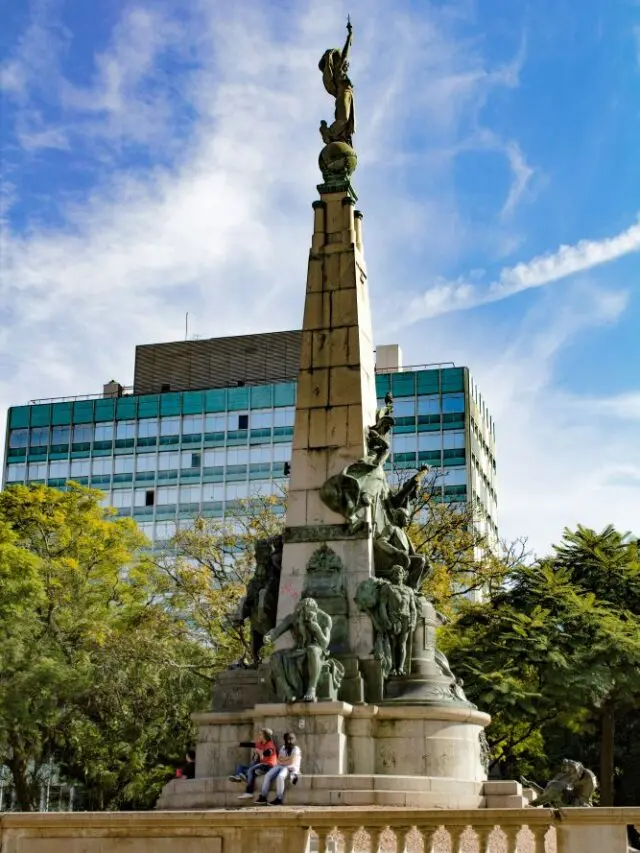
Rio Grande do Sul is marked by a strong cultural identity that blends Indigenous, Portuguese, and Spanish influences. This tradition is expressed through festivals, clothing, music, and unique flavors. Farroupilha Week is the greatest gaucho symbol, a celebration that brings together parades, dances, chimarrão, and barbecue in honor of the history of the pampas.
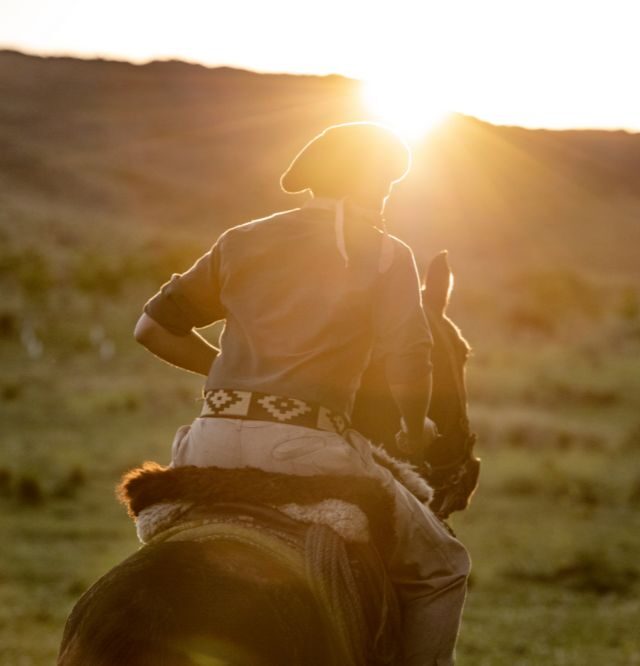
Traditionalist Centers known as CTGs spread throughout the state keep folk dances, traditional attire, songs, and countryside customs alive. The figure of the gaucho is more than folklore, it is a way of life preserved with pride.
This cultural richness turns tourism in Rio Grande do Sul into an authentic experience. From a fandango to a kettle brewed coffee, every detail reinforces the pride of a people who honor their roots.
Useful information about Rio Grande do Sul
Area: approximately 281,707 km²
Population: around 10,882,965 inhabitants (2022 census)
Time zone: GMT −3 (Brasília Time)
Climate: Humid subtropical, with average temperatures between 14°C and 22°C
Telephone area codes: 51 (Porto Alegre metropolitan area and North Coast), 53 (southern part of the state), 54 (Serra Gaúcha), and 55 (central part of the state)
Voltage: 127V and 220V (varies by city)
Power outlets: Type N standard (three round pins)
Main destinations in Rio Grande do Sul
Porto Alegre
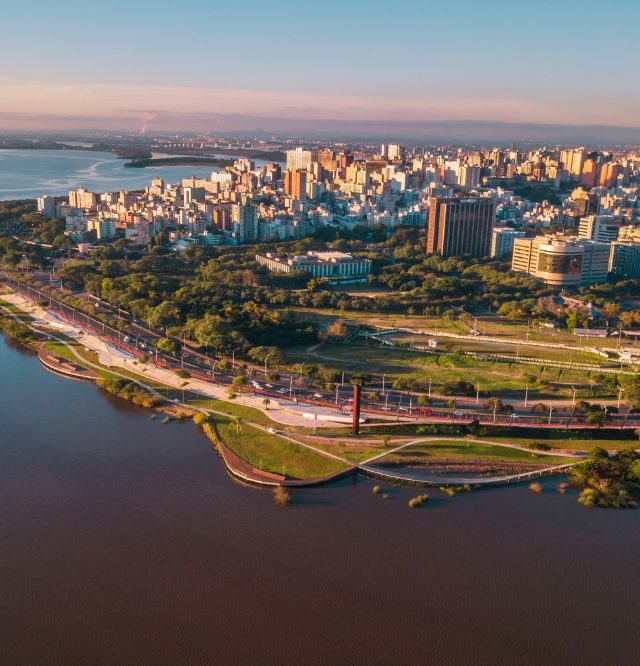
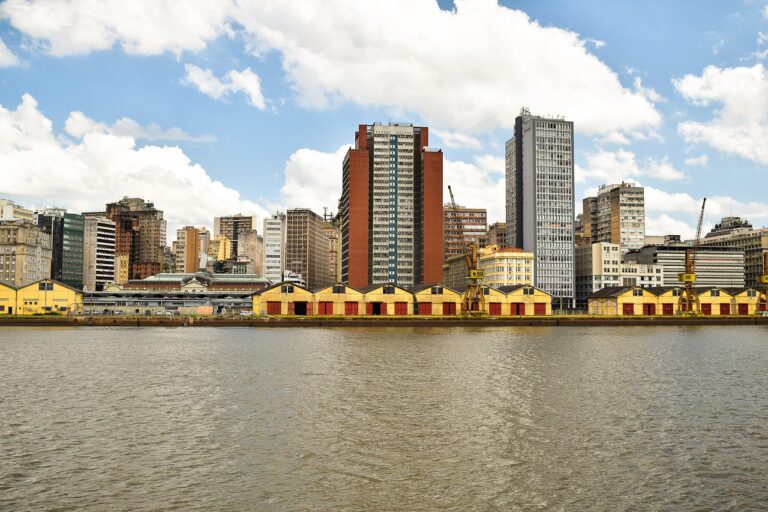
The state capital is a true cultural center. With its famous sunset over the Guaíba, museums, and parks, Porto Alegre offers a unique immersion into gaucho culture. The vibrant streets, welcoming bars, and live music tell stories of a rich past. In addition, Porto Alegre is famous for its cultural events, such as the Mercosul Biennial.
The city is also a paradise for gastronomy lovers. Try traditional dishes such as gaucho barbecue and carreteiro rice at the many restaurants and steakhouses. Be sure to visit the Public Market to buy local products and Parque Farroupilha for a relaxing stroll. Porto Alegre is a destination that combines history, culture, and fun all in one place.
Gramado and Canela
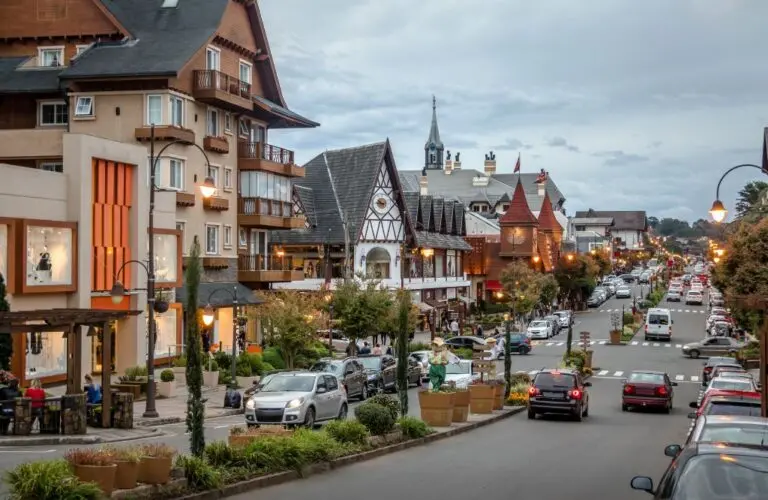
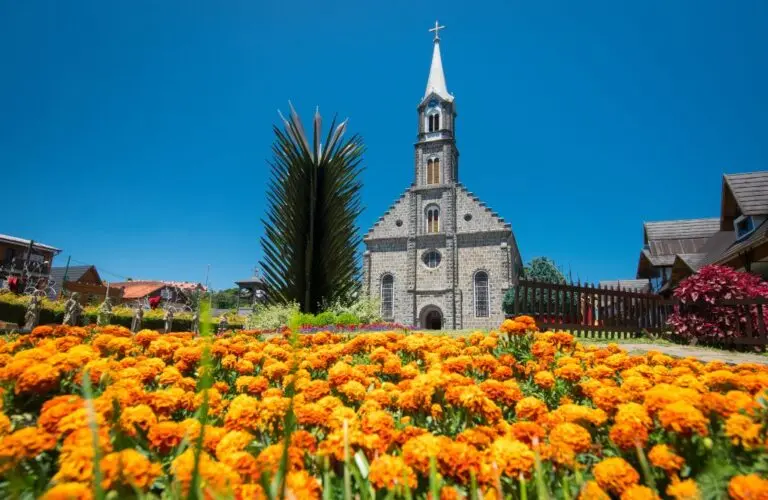
Gramado and Canela are known for their charming landscapes and European style architecture. The cities offer a unique experience with their flower lined streets and famous festivals, such as Natal Luz. In addition, Gramado and Canela are famous for their theme parks and natural attractions.
Natural attractions such as Caracol Park and Black Lake are must sees. The region is ideal for those seeking a combination of nature, culture, and entertainment. Do not miss the opportunity to try local fondue and handmade chocolate.
Bento Gonçalves
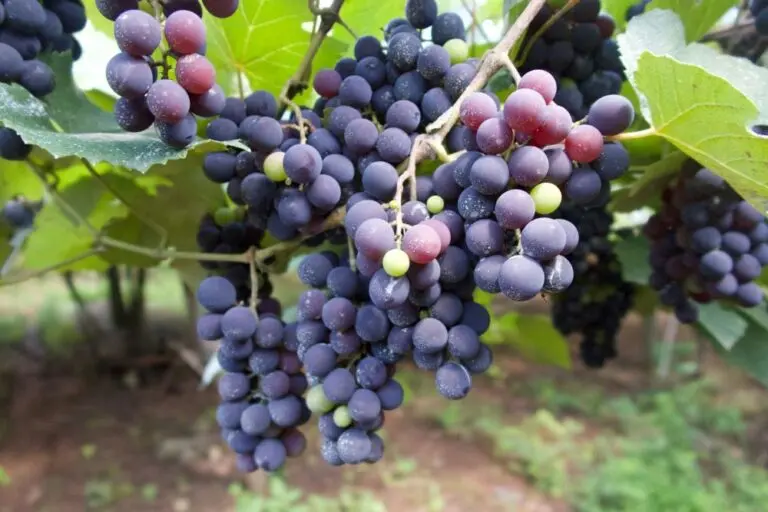
Bento Gonçalves is the heart of the wine region of Rio Grande do Sul. Known for its wineries and stunning landscapes, the city attracts wine tourists from all over the country. Visit Vale dos Vinhedos and take part in tastings to discover the region’s award winning wines.
In addition to wine experiences, Bento Gonçalves offers cultural attractions such as Caminho de Pedra, where visitors can learn about the architecture and traditions of Italian immigrants. Bento Gonçalves is the perfect destination for those seeking a combination of wine tourism, culture, and natural beauty.
What to do in Rio Grande do Sul
- Explore the Serra Gaúcha
- Visit Aparados da Serra National Park
- Experience gaucho traditions at an estancia
- Explore Porto Alegre
- Take part in cultural festivals
Explore the essence of Rio Grande do Sul
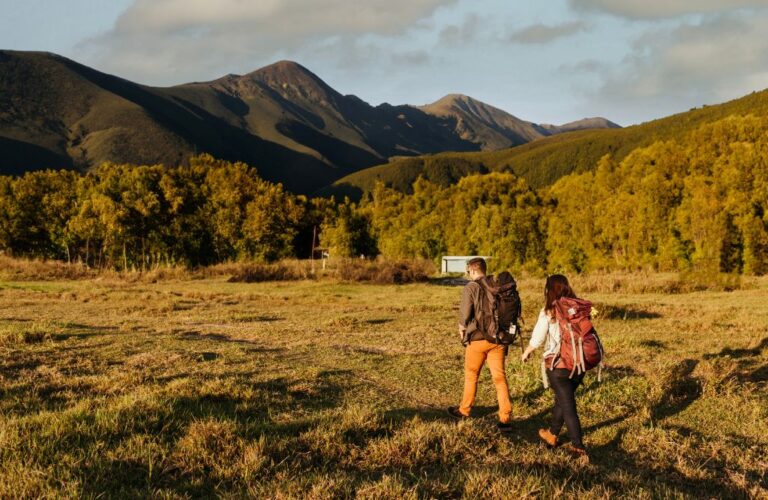
Tourism in Rio Grande do Sul offers experiences that combine tradition, nature, and culture in every corner of the state. From mountain landscapes to traditional celebrations, there is always something special to experience. Below, check out five must do activities to make the most of your trip.
Urban Parks of Pará
- Aparados da Serra National Park: Itaimbezinho Canyon, a trail along the edges with spectacular views, or Cotovelo Trail, a light walk with viewpoints and preserved nature.
- Serra Geral National Park: Fortaleza Canyon, with trails leading to the viewpoint and Pedra do Segredo.
- Caracol State Park (Canela): home to the famous Caracol Waterfall and trails through the Atlantic Forest.
- Black Lake (Gramado): a peaceful walk around the lake, with paddle boats and ornamental vegetation.
- Morro do Osso Natural Park (Porto Alegre): light trails with views of the Guaíba and the city.
- Beaches of the North Coast: Torres, Capão da Canoa, and Praia da Guarita, featuring rock formations and coastal trails.
Cultural tours
- Caminho de Pedra (Bento Gonçalves): an immersion into Italian culture with historic houses, traditional cuisine, and artisanal production.
- Vale dos Vinhedos: wine tourism with tastings, family run wineries, and the history of Italian immigrants.
- Experience gaucho traditions at an estancia: rural experiences with barbecue, chimarrão, and traditional dances.
- Explore Porto Alegre: visit the Rio Grande do Sul Museum of Art (MARGS) or Parque Farroupilha and cultural spaces in the historic center.
- Farroupilha Week: a celebration of gaucho culture with parades, dances, and gastronomy.
- Natal Luz in Gramado: Christmas themed shows and decorations in the mountain region.
Gastronomy in Rio Grande do Sul
Gaucho cuisine is one of the richest and most flavorful in Brazil, reflecting the cultural and historical diversity of the state. With Indigenous, Portuguese, and Italian influences, the gastronomy of Rio Grande do Sul offers a unique experience for visitors. Within the context of tourism in Rio Grande do Sul, trying traditional dishes is a must do activity that provides a true immersion in local culture.
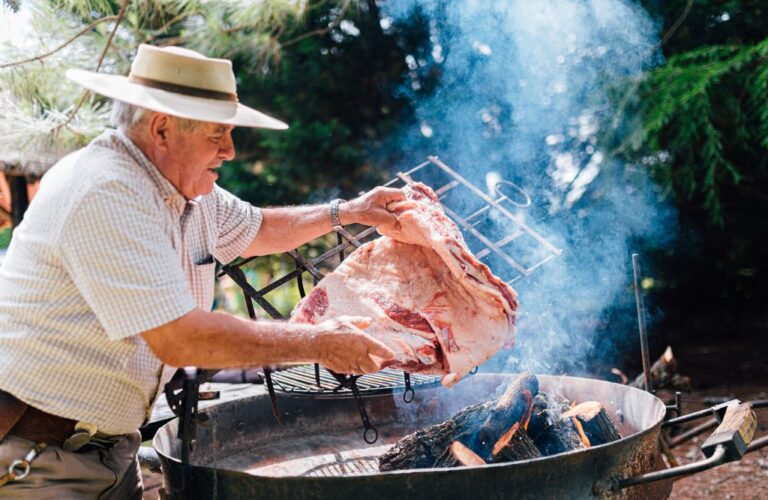
- Churrasco: Gaucho barbecue is famous for the quality of its meat and its preparation over open fire pits. Try it at one of the many steakhouses in the state.
- Chimarrão: A traditional drink made with yerba mate, enjoyed during conversations and family gatherings.
- Carreteiro: A dish made with rice, meat, and seasonings, typical of gaucho estancias.
- Cuca: A cake of German origin, usually topped with fruit and sweet crumb topping.
- Sagu: A dessert made with cassava sago pearls and red wine, served chilled.
Tips to enjoy gaucho gastronomy
- Steakhouses: Visit traditional steakhouses to try authentic gaucho barbecue.
- Colonial cafés: Experience the variety of breads, cakes, and pies served at colonial cafés in the Serra Gaúcha.
- Fairs and markets: Visit local fairs and markets to buy typical products and fresh ingredients.
- Wineries: Take part in wine tastings and learn about the state’s wine production.
- Gastronomic events: Attend food events and festivals to experience the diversity of gaucho cuisine.

How to get to Rio Grande do Sul
Tourism in Rio Grande do Sul begins with a good arrival. There are several ways to reach the state, depending on where you are coming from.
By plane
Salgado Filho International Airport (POA): Located in Porto Alegre, it is the main gateway, with domestic and international flights.
Caxias do Sul Airport (CXJ): Ideal for those visiting the Serra Gaúcha and surrounding areas.
By car
BR-101: Runs through the state from north to south, passing through several coastal cities.
BR-116: Connects southern Brazil to Rio Grande do Sul, passing through the interior of the state.
How to get around in Rio Grande do Sul
After arriving, it is important to know how to get around to explore all the wonders that tourism in Rio Grande do Sul has to offer.
- Car rental:
- Book the car in advance to secure better prices.
- Check road conditions and plan your route carefully.
- Always have a GPS or an up to date maps app.
- Public transportation:
- Use apps to check bus schedules and routes.
- In Porto Alegre, the metro and urban buses are affordable and efficient options for getting around the city.
- Taxis and ride hailing apps:
- Always check the estimated fare before accepting the ride.
- Prefer official taxi stands in tourist areas or use apps such as Uber and 99.
- Organized tours:
- Research and compare different agencies to find the best offer.
- Check online reviews to ensure service quality and safety.
Best time to visit Rio Grande do Sul
- Summer (December to March): If you want to enjoy the beaches and outdoor events, summer is the best time. Temperatures are pleasant, perfect for exploring nature and taking part in festivals.
- Winter (June to September): For those who prefer milder temperatures and want to enjoy the European atmosphere of the Serra Gaúcha, winter is ideal. It is the best time to visit Gramado and Canela, with their winter attractions and chocolate festivals.
- Autumn and Spring (March to June and September to December): These seasons are great for those seeking balanced weather and fewer tourists. Temperatures are pleasant, and accommodation rates tend to be more affordable.
Emergency Services and Tourist Support
Porto Alegre, the capital of Rio Grande do Sul, has a complete infrastructure to receive tourists, including public and private hospitals, emergency services, specialized police stations, and visitor information centers. To ensure peace of mind during your trip, it is important to keep key emergency and tourist assistance contacts readily available.
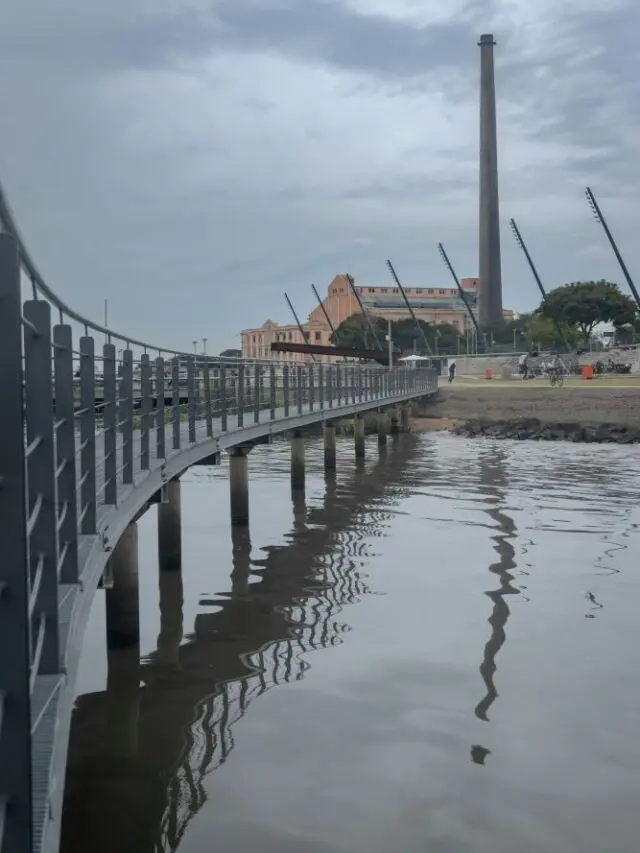
The city has service points in strategic areas, such as the historic center, Salgado Filho International Airport, and busy tourist spots like the Guaíba Waterfront and Parque Farroupilha. Other popular destinations in the state, such as Gramado, Canela, and Bento Gonçalves, also offer adequate infrastructure to welcome visitors with comfort and safety.
General Emergencies
- Military Police (emergency) – 190
- SAMU (Mobile Emergency Care Service) – 192
- Fire Department – 193
- Civil Defense (environmental emergencies) – 199
- Public Safety Hotline – 181
Tourist Safety and Support
- Civil Police (Information and incidents) – 147
- Federal Highway Police (PRF) – 191
Health and Medical Care
- SAMU – Medical Emergency – 192
More tips about Rio Grande do Sul
To make the most of your trip to Rio Grande do Sul, a few tips can make all the difference. Here are some practical suggestions to make your tourism experience even better:
Withdraw cash at ATM24h
Although many establishments accept cards, it is always a good idea to have cash on hand for small purchases and in more remote areas. ATM24h machines are spread throughout the city, making it easy to withdraw money anywhere.
Check the installed locations here.
Sunscreen and insect repellent
The sun in Rio Grande do Sul can be intense, so be sure to bring sunscreen. In addition, in forested areas and on beaches, insect repellent is essential to avoid insect bites.
Stay hydrated
Stay hydrated, especially if you are exploring trails or spending the day outdoors. Always carry a bottle of water with you.
Try the local cuisine
Gaucho cuisine is rich and varied. Be sure to try traditional dishes such as barbecue, chimarrão, and cuca. In addition to being delicious, they are an important part of local culture.
Respect the culture and traditions
Rio Grande do Sul is a state with vibrant culture and unique traditions. Respect local customs, take part in festivals and events with an open mind, and take the opportunity to learn more about gaucho history and culture.
Local transportation
If you need to get around within cities, use ride hailing apps or taxis for greater safety and comfort. In tourist areas, it is often possible to walk or go on bike rides.
Accommodation
Book your accommodation in advance, especially during high season periods such as winter and festivals. There are options for all tastes and budgets, from charming guesthouses to luxury resorts.
With these tips, your trip to Rio Grande do Sul will be even more pleasant and rewarding. Get ready to be enchanted by this wonderful state!
Do I need a visa to visit Rio Grande do Sul?
If you are Brazilian, you do not need a visa. For foreigners, check the specific requirements of your country.
What is the best time to visit Rio Grande do Sul?
Rio Grande do Sul can be visited year round, but summer (December to March) is ideal for those who want to enjoy outdoor events, while winter (June to August) is perfect for experiencing the European atmosphere of the Serra Gaúcha.
What are the main traditional foods of Rio Grande do Sul?
Barbecue, chimarrão, and cuca are some of the dishes you should try. Gaucho cuisine is rich in flavors and traditions.
How can I get around Rio Grande do Sul?
You can rent a car, use intercity buses, or book tours with local agencies. In large cities such as Porto Alegre, ride hailing apps and taxis are good options.
Is it safe to travel around Rio Grande do Sul?
As with any destination, it is important to take basic precautions. Avoid unfamiliar areas at night, always keep an eye on your belongings, and prefer using hotel safes to store valuables.
Where can I withdraw cash?
You can withdraw cash from ATM24h machines, which are spread throughout the city. It is always good to have cash for small purchases and in more remote areas.
What are the main tourist destinations in Rio Grande do Sul?
Some of the main destinations include Porto Alegre, Gramado, Canela, Bento Gonçalves, and São Miguel das Missões. Each one offers a unique experience.

