




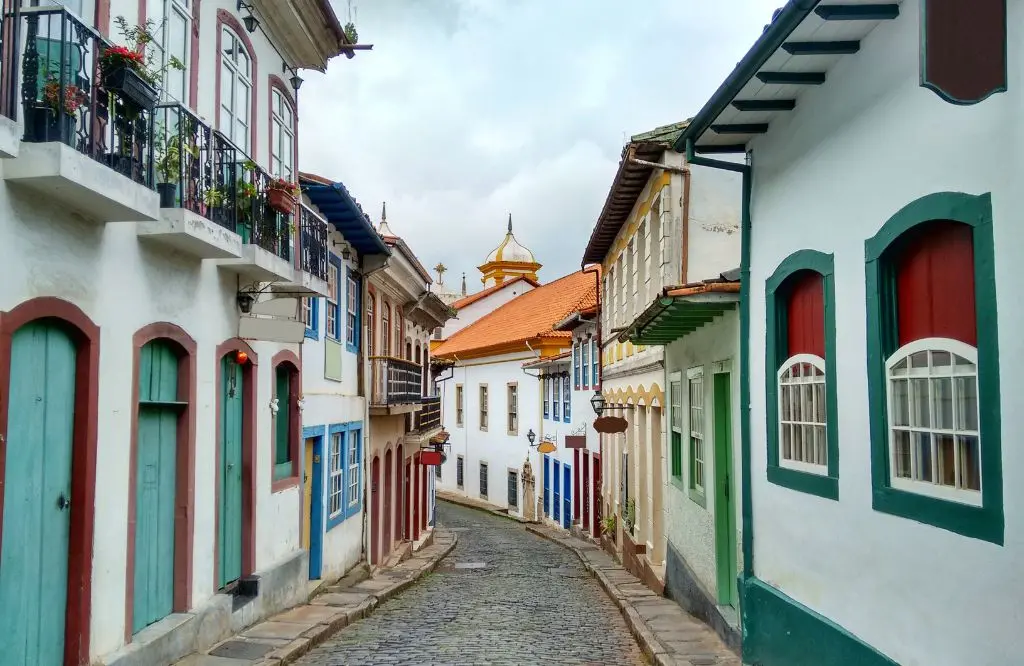
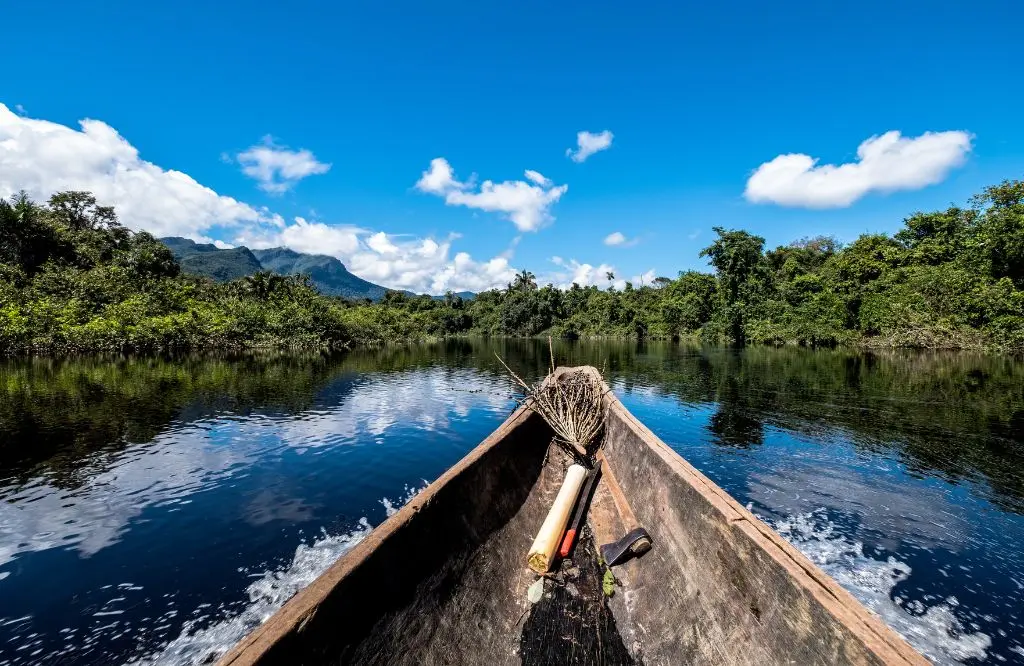

Manaus is full of attractions that appeal to all types of travelers. From lush forests and rivers to historic buildings and cultural centers, the capital of Amazonas offers truly unforgettable experiences.
< Back
Home » Destinations » Amazon » Manaus
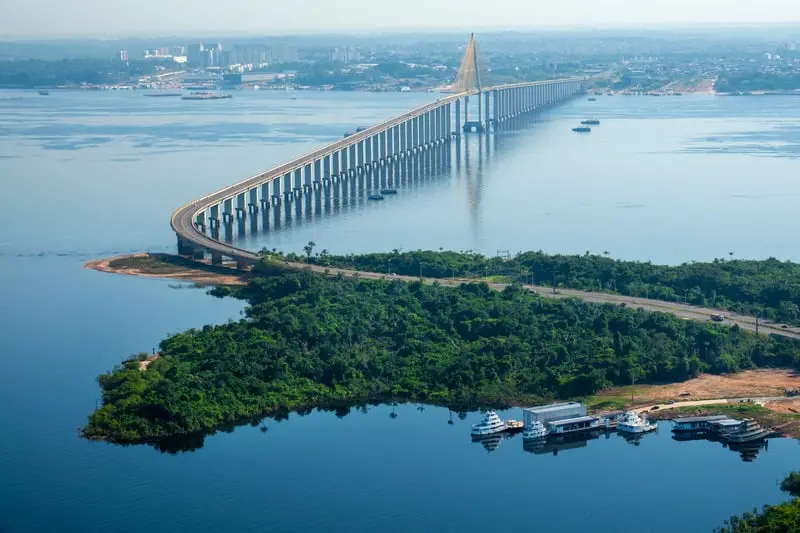
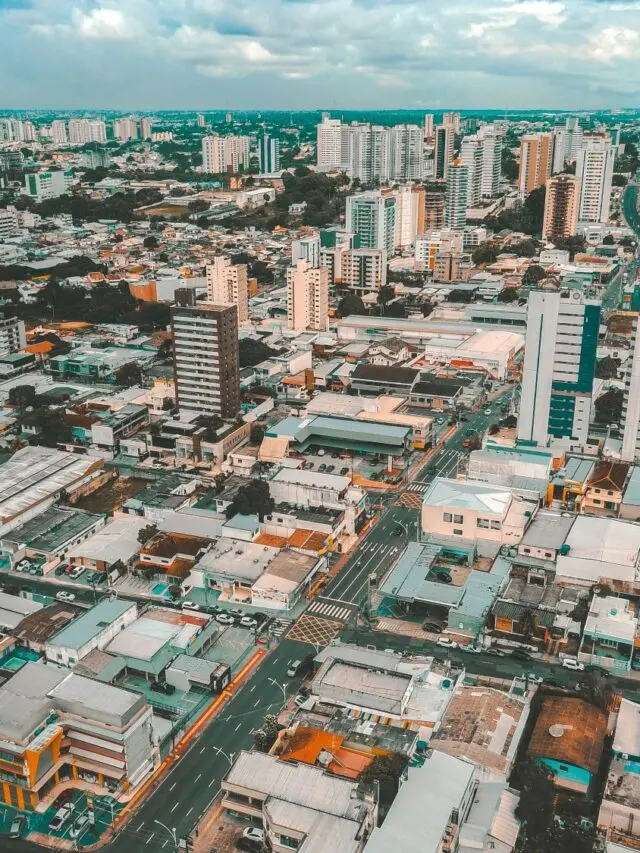
The city of Manaus is a vibrant metropolis, rich in nature, culture, and Amazonian traditions. If you are looking for a destination that offers a unique blend of urban experiences, natural beauty, and an authentic cultural scene, Manaus is the perfect place.
With its multicultural heritage reflected in architecture, cuisine, and festivals, the capital of Amazonas provides an unforgettable experience for all types of travelers. Brasil ATM invites you to discover this fascinating city, where the jungle meets the city, creating a setting unlike anywhere else in the world.
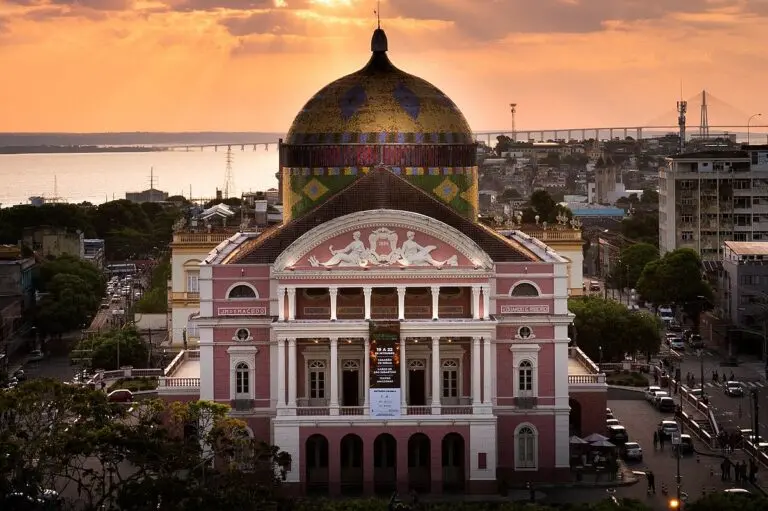
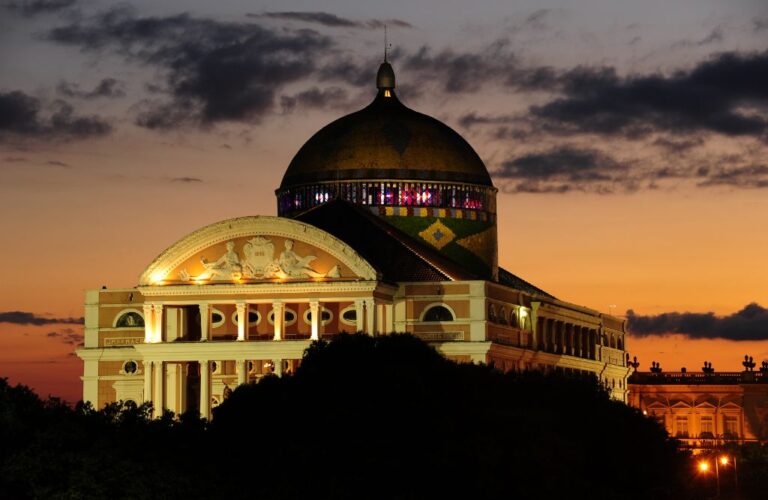
Culture enthusiasts will find perfect retreats in places such as the Amazon Theatre, one of the most beautiful in Brazil, with its dome decorated in the colors of the national flag. In addition, the Rio Negro Palace and the Amazon Peoples Cultural Center offer moments of learning and admiration.
Cultural traditions that keep the soul of Manaus alive
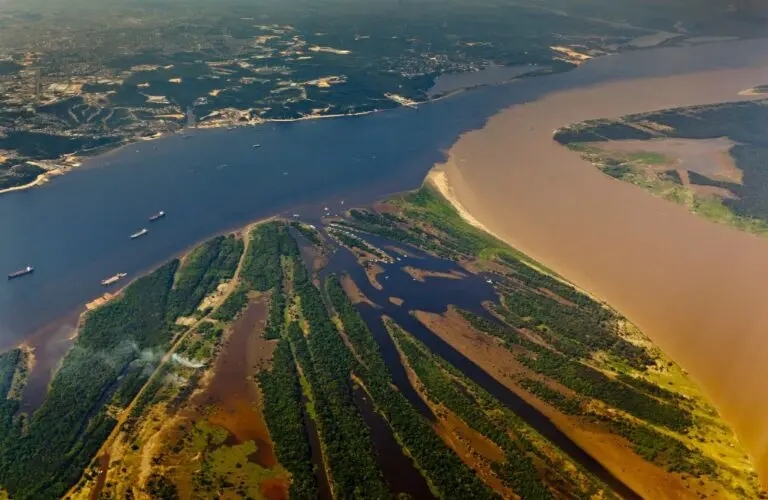
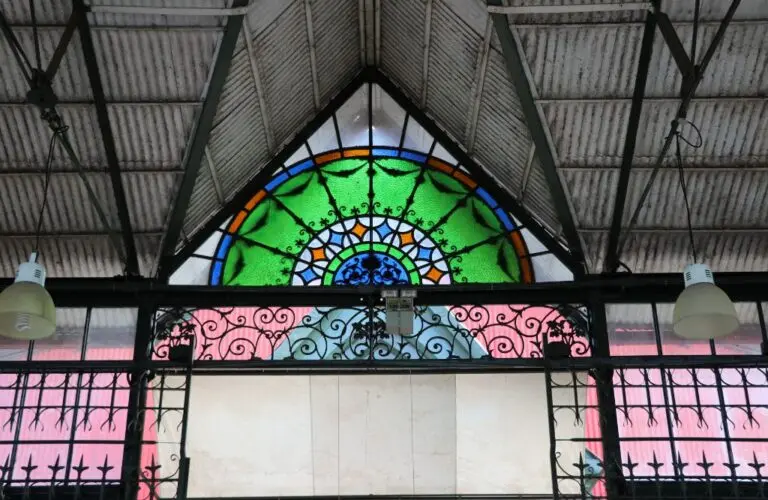
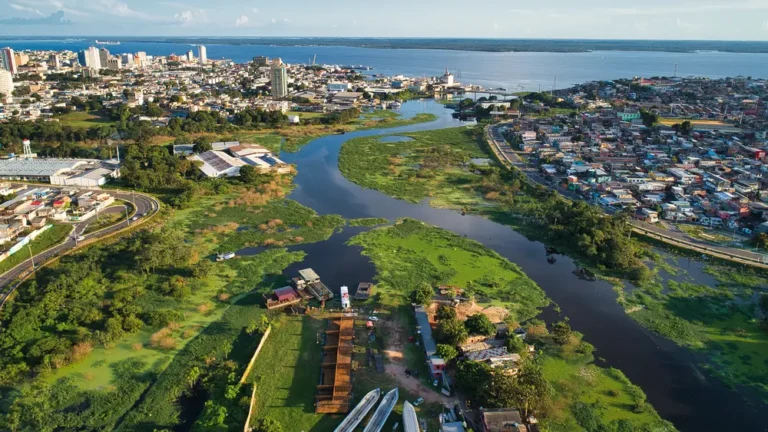
For those seeking a deeper connection with local history and traditions, Manaus offers authentic experiences such as the Meeting of the Waters, where the Negro and Solimões rivers flow side by side without mixing, creating a unique natural spectacle. The Adolpho Lisboa Municipal Market, with architecture inspired by Les Halles in Paris, is ideal for exploring the flavors and aromas of the Amazon.
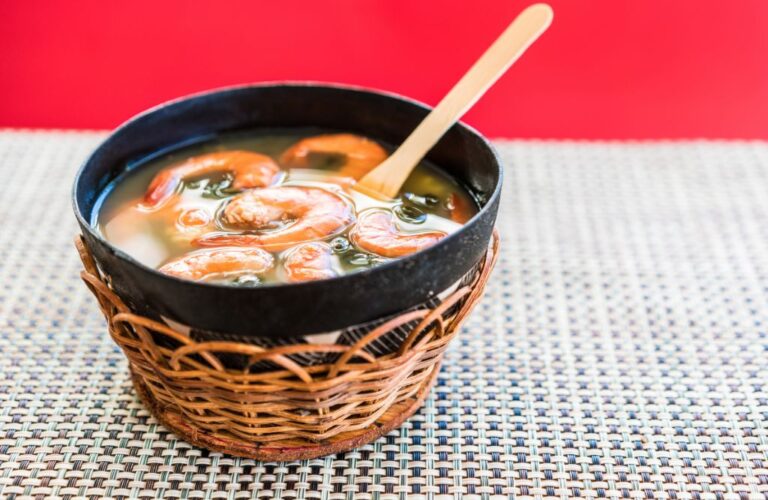
In addition, Manaus celebrates its traditions in a vibrant way. Events such as the Parintins Folklore Festival, Boi Manaus, and the city’s anniversary celebrations are experiences that blend music, dance, and regional culture. Amazonian gastronomy is an attraction in its own right, featuring dishes such as tacacá, grilled tambaqui, and cupuaçu ice cream.
Explore the best destinations and tips to make the most of your trip and discover why tourism in Manaus is so special.
News about Manaus
Check more posts >Useful information about Manaus
Area: approximately 11,400 km²
Population: 2,070,000 inhabitants (2022 data)
Time zone: UTC -4
Climate: average temperatures range between 24 °C and 34 °C. Rainy season: December to May; dry season: June to November. Hottest months: February and September; rainiest month: March; driest month: August.
Area code: 92
Voltage: 110V
Power outlets: two- or three-round-pin plugs arranged in a triangular pattern
Main destinations in the city of Manaus
Amazon Theatre
The greatest icon of Manaus, located in the historic downtown, is one of Brazil’s main cultural stages. Its Renaissance architecture and colorful dome are striking. Guided tours reveal details of the rubber boom era and the city’s economic and cultural importance.
Meeting of the Waters
One of the most impressive natural phenomena in the world, the Meeting of the Waters is the point where the Negro and Solimões rivers flow side by side for kilometers without mixing. Boat tours are highly recommended to experience this spectacle.
Adolpho Lisboa Municipal Market
Inspired by Les Halles in Paris, this historic market is the ideal place to experience local cuisine and craftsmanship. Regional products such as Amazonian fish, exotic fruits, and spices make the market a must-stop.
Amazon Museum (MUSA)
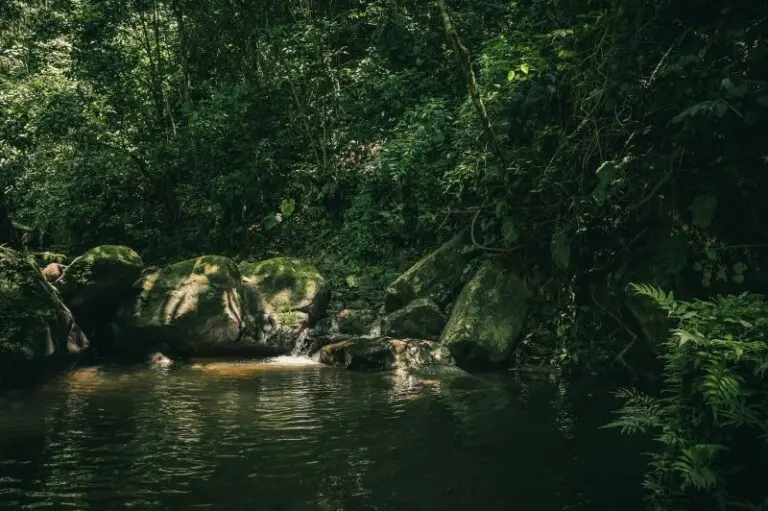
Located within the Adolpho Ducke Forest Reserve, MUSA offers trails, observation towers, interactive exhibitions, and aquariums. It is a must-see experience for those who want to learn about the region’s biodiversity.
Ponta Negra Beach
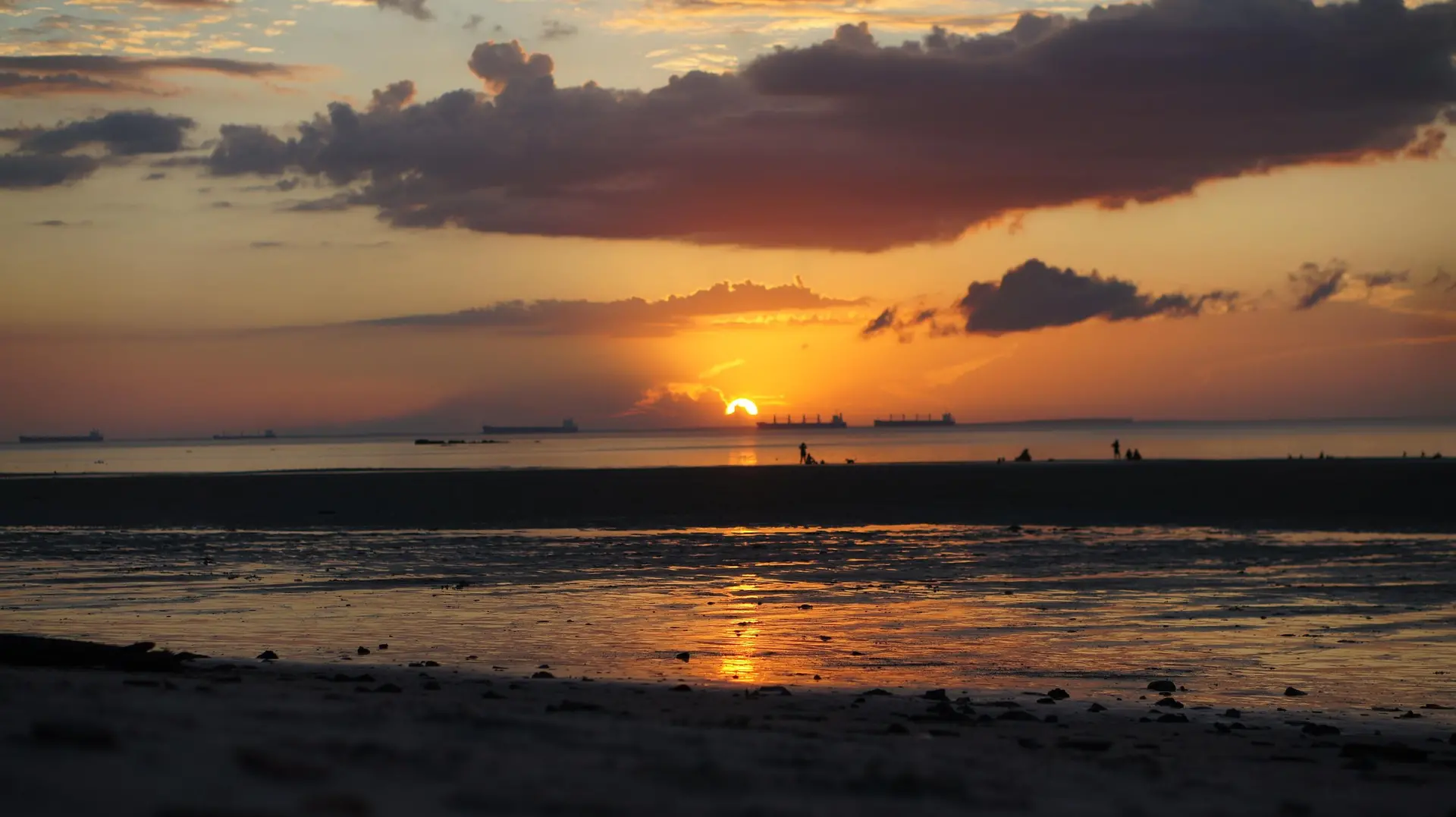
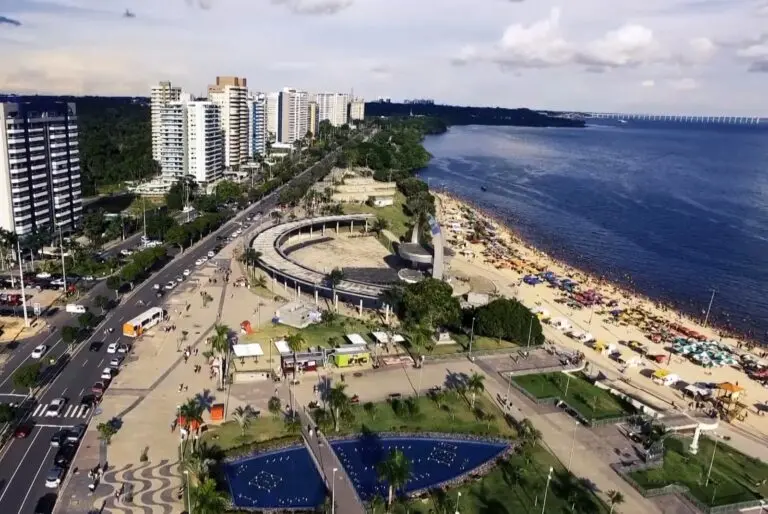
Ideal for late afternoons, this river beach offers views of the Rio Negro, with a promenade, restaurants, and a beautiful sunset. It is one of the most popular leisure spots among locals and tourists.
What to do in Manaus
- Take a boat tour along the Rio Negro
- Visit a riverside community or an Indigenous reserve
- Try traditional dishes such as pirarucu de casaca or tacacá
- Explore ecological trails at MUSA or Mindu Park
- Watch a performance at the Amazon Theatre
Gastronomy in Manaus
Amazonian cuisine is a sensory experience. Some typical dishes include:
- Tacacá: a hot broth made with tucupi, jambu, and shrimp
- Pirarucu de casaca: a dish based on pirarucu fish with flour, banana, and vegetables
- Grilled tambaqui: served over an open flame, usually whole
- Regional fruit ice creams: such as cupuaçu, açaí, and soursop
Relax in the urban and natural parks of Manaus
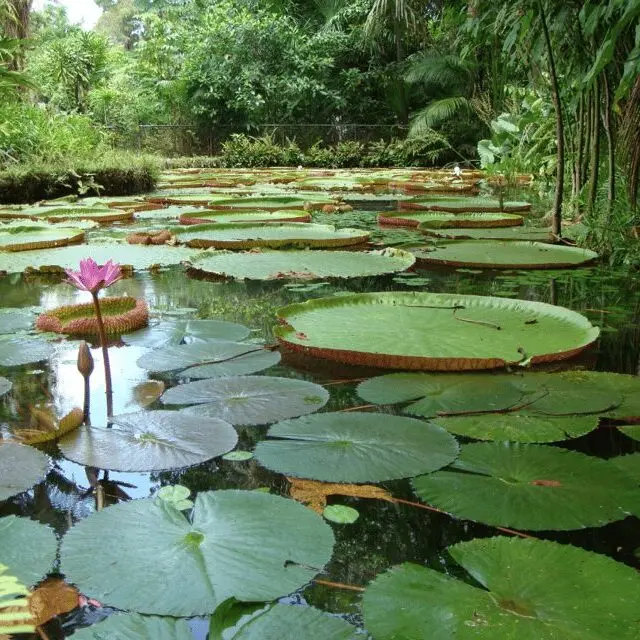
Despite being a capital city in the heart of the Amazon, Manaus offers several urban and natural parks that provide leisure, contact with nature, and outdoor activities for both residents and visitors. These green spaces are perfect for those who want to relax, practice sports, or learn more about the region’s rich biodiversity.
Main urban parks in Manaus
- Jefferson Pérez Park: Located in the city center, it is ideal for walks, outdoor activities, and quiet contemplation.
- Bilhares Park: One of the most popular parks in the city, featuring trails, sports courts, walking paths, and cultural events.
- Lagoa do Japiim Park: A revitalized space with a lagoon, walking track, and facilities for family leisure.
- Ponte dos Bilhares Park: A modern area with bike lanes and views of the Mindu stream.
- Mindu Municipal Park: One of the most important parks in Manaus, offering ecological trails, exhibitions, an auditorium, and wildlife observation.
- Nascentes do Mindu Municipal Park: Located in the northern zone, it preserves natural springs and is ideal for walking and environmental education.
Main natural and tourist parks in the state of Amazonas
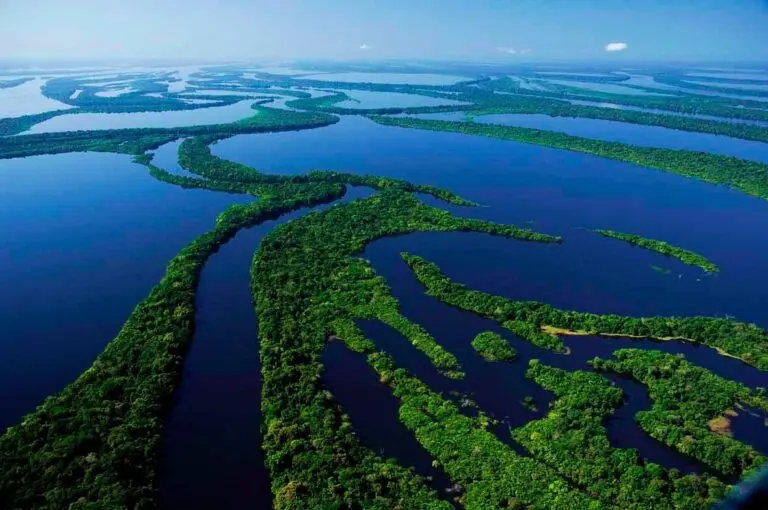
- Anavilhanas National Park (Novo Airão): A river archipelago with hundreds of islands, ideal for boat tours and wildlife and flora observation.
- Jaú National Park (Novo Airão): The largest tropical rainforest park in Brazil and a UNESCO Natural World Heritage Site.
- Viruá National Park (Caracaraí): Home to great biological diversity, ideal for research and ecotourism.
- Tupé Sustainable Development Reserve (Manaus): Traditional communities, river beaches, and sustainable activities.
- Sumaúma State Park (Manaus): An urban conservation unit with trails, a visitor center, and nurseries.
- Balbina National Park (Presidente Figueiredo): Rich biodiversity and beautiful landscapes around the Balbina reservoir.
Main festivals, celebrations, and events in Manaus
Manaus is one of the most vibrant cultural hubs in Brazil’s Northern Region, hosting events that celebrate the diversity of the Amazon, from Indigenous traditions to contemporary art.
Cultural and artistic events
- Amazonas Opera Festival (FAO): Held annually at the Amazon Theatre, usually between April and May. It is one of the largest opera events in Latin America.
- Amazon Theatre Festival: Takes place biennially in Manaus, usually in October, bringing together local and national theatre companies.
- Amazon Film Festival: Held annually in Manaus, typically in November, highlighting regional and national film productions.
- Indigenous Peoples Week: Celebrates Indigenous Peoples’ Day in April, featuring Indigenous cultural expressions, crafts, and rituals.
- Popular Cultures Gathering: Held annually in Manaus, usually in August, promoting the diversity of Brazilian cultural expressions.
- Virada Sustentável Manaus: Takes place annually, generally in November, integrating culture, sustainability, and citizenship through events across the city.
Food fairs and gastronomic events
- International Amazonian Gastronomy Fair (FIGA): Held annually in Manaus, usually in November, bringing together renowned chefs to highlight regional cuisine.
- Tacacá na Bossa Festival: Takes place weekly on Thursdays from August to November at Praça São Sebastião, combining music and regional gastronomy.
- Peixada Gastronomic Festival: Held annually in Manaus, usually in September, showcasing traditional fish-based dishes from the region.
- Guaraná Festival (Maués): Although it takes place in Maués, it attracts many visitors from Manaus. Held annually in late November, it celebrates local culture and the guaraná harvest.
Music festivals and events
- Amazonas Jazz Festival: Held annually in Manaus, usually in July, bringing together national and international jazz artists.
- Passo a Paço Festival: Takes place in Manaus’s Historic Center, generally in September, offering a multicultural program with concerts, gastronomy, and visual arts.
- Boi Manaus: Celebrates the city’s anniversary on October 24, with boi-bumbá performances at the Ponta Negra Tourist Complex.
- Manaus Carnival: Held in February or March, featuring samba school parades at the Manaus Sambadrome, street blocks, and parties throughout the city.
Literary festivals and events
- Sesc AM Book Fair: Held annually in Manaus, usually in August, promoting regional and national literature.
- FLIAM – Amazonas Literary Fair: Takes place annually in Manaus, typically in November, bringing together writers, publishers, and readers for discussions and book launches.
- Mania de Ler Project: Developed throughout the year in Manaus schools, with workshops and fairs encouraging reading among children and young people.
- Amazonas Writers’ Meeting: Held annually in Manaus, generally in September, fostering the exchange of experiences between local and national authors.
How to get to Manaus
By plane: The most common way to reach Manaus is via Eduardo Gomes International Airport (MAO), located 15 km from the city center. It receives daily flights from several Brazilian capitals and international destinations. Taxi fares to and from the airport are fixed.
By boat: It is also possible to reach Manaus by river, coming from Belém, Santarém, or cities in Colombia and Peru.
How to get around in Manaus
- Urban buses: Connect most neighborhoods. The website www.onibusmanaus.com.br provides route information for each line.
- Ride-hailing apps: Services such as Uber and 99 operate well in the city.
- Taxi: One of the best ways to get around the city. To calculate the fare from your starting point to your destination, visit www.tarifadetaxi.com/manaus. Smartphone users can also use free apps such as Taxímetro (iOS) and Taxímetro Online (Android). It is advisable to carry cash to pay for rides.
- Car rental: Useful for exploring more remote areas, but challenging within the city, as traffic can be heavy and signage is not always clear.
- On foot: Visitors who enjoy walking can explore all the attractions of the Historic Center on foot.
- By bicycle: Manaus has limited bike lanes and heavy traffic, but cycling is possible in specific areas, such as the Ponta Negra beach promenade.
- Guided tours: Ideal for safely exploring natural attractions.
Best time to visit Manaus
- Dry season (July to November): ideal for trails and river beaches.
- High-water season (February to May): the best time to explore the flooded forest by canoe.
Emergency Services and Tourist Support
When visiting Manaus, it is essential to be aware of the main emergency contacts to ensure your safety and well-being. Below are the relevant numbers and institutions:
General Emergencies
- Military Police: 190
- Fire Department: 193
- Mobile Emergency Medical Service (SAMU): 192
Tourist Safety and Support
Tourist Police (Politur)
A specialized unit dedicated to assisting tourists, with bilingual officers who patrol the main tourist areas of Manaus.
Contact numbers: +55 (92) 99842-1769 (service from 7:00 a.m. to 11:00 p.m.); +55 (92) 98842-1741 (service from 7:00 a.m. to 5:00 p.m.).
Outside these hours: Call 190.
Specialized Police Station for Crimes Against Tourists (DECCT)
Responsible for handling incidents involving tourists, such as theft, fraud, and other offenses.
Location: Second floor of Eduardo Gomes International Airport, Avenida Santos Dumont, No. 1,350, Tarumã district.
Phone: +55 (92) 3652-1656 (24-hour service).
Other useful contacts
- Eduardo Gomes International Airport: +55 (92) 3652-1212
- Search and Rescue: +55 (92) 3654-3030
- Specialized Police Station for Crimes Against Tourists (DECCT): +55 (92) 3652-1656
Tips on tourism websites and portals for those planning to visit Manaus
- Amazonastur: Amazonas State Tourism Board. The official body responsible for the development and promotion of tourism in the state of Amazonas. The website provides information on destinations, events, and tourism services.
- Manaus City Hall – Tourism: The tourism section of the official Manaus City Hall website offers information on tourist attractions, cultural events, and useful services for visitors.
- TripAdvisor – Things to Do in Manaus: A platform with reviews, photos, and tips from travelers about the main attractions, restaurants, and activities in Manaus.
- Visit Brasil – Manaus: Brazil’s official tourism portal, featuring a dedicated section for Manaus that highlights tourist attractions, local culture, and practical information for visitors.
- Lonely Planet – Manaus: An international travel guide offering insights on attractions, accommodation, and useful tips for those visiting Manaus.
- Amazonastur on Instagram: The official Amazonastur profile sharing photos, videos, and updates on events and attractions in Amazonas.
- Amazon Tribes Turismo & Passeios: A local tour operator offering customized itineraries in the Amazon, with information on tours and cultural experiences.
Do I need a visa to visit Manaus?
Brazilian citizens do not need a visa. Foreign visitors should check their country’s requirements to enter Brazil.
What are the main tourist attractions in Manaus?
Amazon Theatre, Meeting of the Waters, Amazon Museum (MUSA), Municipal Market, and Ponta Negra Beach.
What is the typical food of Manaus?
Tacacá, pirarucu de casaca, grilled tambaqui, Amazonian fruits, and regional ice creams.
Is it safe to visit Manaus?
Yes, with basic precautions as in any large city. Prefer guided tours in the rainforest and avoid going out alone at night in less busy areas.
Do I need vaccinations to visit Manaus?
It is highly recommended that travelers planning to visit Manaus or other areas of the Amazon region be vaccinated against yellow fever. The vaccine should be administered at least 10 days before the trip, which is the time required for the body to develop adequate immunity. Yellow fever is endemic in the Amazon, and vaccination is an effective preventive measure.
What is the quality of drinking water in Manaus?
The city of Manaus has a water supply system that serves 100% of the urban population, with water undergoing rigorous treatment to meet the drinking standards established by the Ministry of Health. However, the quality of water that reaches homes may be influenced by factors such as water tank maintenance and the condition of internal piping. Therefore, although the supplied water is treated, it is advisable to take additional measures to ensure safety: Household filtration: Use certified water filters to remove possible remaining impurities. Boiling: Boiling water for at least one minute is an effective way to eliminate pathogenic microorganisms. Bottled water: Choosing bottled water from reliable sources is a safe alternative, especially for people with more sensitive immune systems.
Where can I withdraw money?
You can withdraw money at Brasil ATM machines, located at strategic points throughout the city, such as shopping malls and near tourist attractions. Explore Manaus and discover a unique part of Brazil, where nature and culture walk side by side.
